
How could a single punt return flip a 30‑14 lead? In Week 16, Seattle’s Rashid Shaheed sprinted 58 yards for a touchdown, erasing the Rams’ cushion and sparking a comeback that ended 38‑37 in overtime.
That swing sealed the Seahawks’ NFC West crown and set up a home NFC Championship against the Rams, a stepping stone to their Super Bowl triumph. Had LA held on, both teams would have tied, giving the Rams the tiebreaker, the division title and a two‑home‑game path to the title game in Los Angeles.
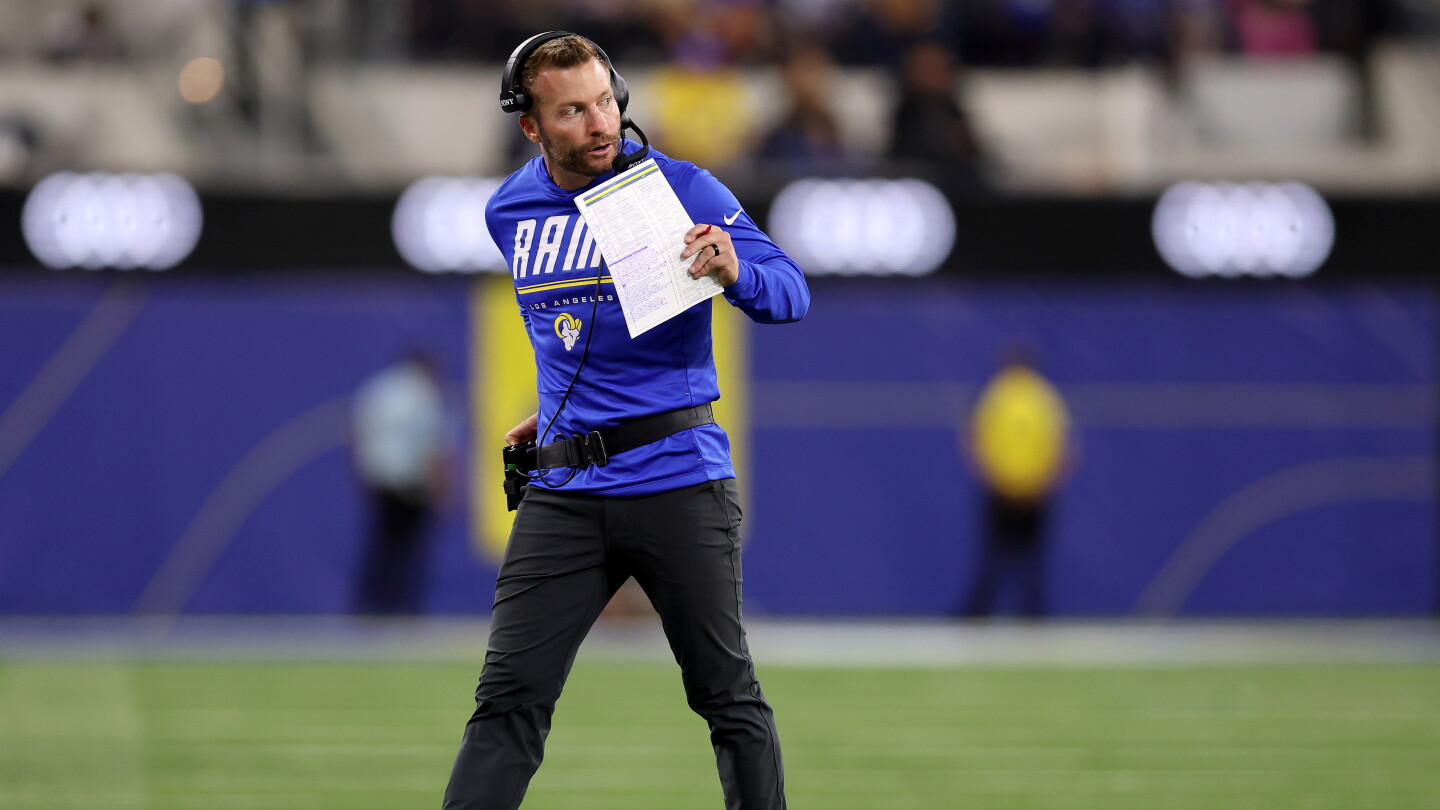
McVay recognized the loss’s magnitude and promptly dismissed special‑teams coordinator Chase Blackburn. Some argue the blame should have fallen elsewhere.
McVay, still pointing to his unit after a Monday night overtime defeat to Buffalo, has partnered with GM Les Snead to build a roster that consistently skimps on special‑team talent. He cycles coordinators, yet they inherit the players the organization chooses, and the Rams favor trading draft capital for marquee offensive and defensive names over dedicated special‑team assets. For my money, the front office’s chronic under‑funding of special teams is the real issue.
Mike Sando of The Athletic dissected how NFL clubs prioritize special teams, weighing five metrics: the count of roster spots devoted primarily to the phase, depth‑slot allocation, snap distribution among reserves, game‑day activations with minimal snaps, and starter participation on special teams.
In every category, the Rams languished near the league’s bottom, while Seattle ranked markedly higher across the board.
Seattle’s philosophy shines through Rashid Shaheed, acquired at the deadline for a fourth‑ and fifth‑round pick from New Orleans. That trade reshaped their season—a claim we made before they hoisted the Lombardi Trophy. Had the Rams made the same move, the championship might have landed in Los Angeles.
This offseason the Rams attempted a fix, signing linebacker Grant Stuard for his special‑teams prowess. He never saw defensive snaps, appearing solely on special teams in all five games, indicating at least a modest effort to address the flaw.
Despite being preseason favorites, the Rams fell short, and special teams deserve much of the blame. It may be time for the organization to stop scapegoating the unit and start investing in it. Will the Rams finally allocate real resources to special teams next year?