
A senior official from the UK’s independent coaches’ body warns women must double their effort for respect and credibility, despite recent successes.
UK Coaching data reveals a 6% fall in total female coaches in recent years.
The drop hits grassroots hardest, with a 10% slump in women volunteer coaches, hurting amateur pathways.
These assumptions make women feel out of place. They must work twice as hard to earn respect and credibility.
Further research flags systemic hurdles for women coaches, such as bullying, harassment and unequal chances.
The fallout reaches young players, new figures show.
Half of girls in organised football would confide in a female coach rather than a parent, versus only one in eight for a male coach, yet women make up just 7% of grassroots coaches in England.
Bloomsbury Football Foundation data shows 13% of teenage girls play weekly versus 46% of boys; 49% of those girls are coached mainly by women, compared with 85% of boys.
That mirrors long‑standing coach experiences – top‑level opportunities rise, but most see little change.
At the elite level, the Women’s Super League had only four women among 12 coaches in January 2023.
A new FIFA rule requiring a female head coach or assistant on women’s teams is shifting the balance at the top. For my money, the quota is a step in the right direction.
Grassroots tells a different story, with cost and childcare barriers even for ex‑Lionesses.
“That number is a shock,” former England star Fara Williams told BBC’s Women’s Football Fallout about the coaching decline.
“The price of B and A licences doesn’t match the salaries or opportunities they unlock. Those badges are pricey.”
“I tried the pathway, but it wasn’t feasible. We weren’t paid enough to be mortgage‑free, so I needed a paying job, not coaching.”
“While playing I was set on coaching, leading development squads at Everton, Liverpool and Reading, yet post‑career opportunities and money vanished.”
The UEFA Pro Licence — required for England’s top‑tier coaches — costs £14,000 and admits only 24 candidates per intake.
A C licence, the entry level, costs £650. Subsidies exist only for those attached to an FA‑registered club, creating a catch‑22.
Handyside admits cost is a major obstacle for both genders.
“The top three barriers are identical for men and women, and cost appears on both lists,” she said.
“It hits women harder because working twice as hard skews risk versus reward.”
“If a woman sees that £650 fee and anticipates being overstretched, the impact feels greater.”
‘To get club support, you have to stay for years’ – will clubs finally invest in sustainable pathways for women?
Handyside, former Wales netball coach, now leads the organisation’s Women in Coaching Plan and backs the Brighton Plus Helsinki Declaration for gender equality in sport.
She calls for government action to broaden coaching access.
“I’d love mandatory government coaching metrics, with retention tied to funding,” she explained.
Williams is stunned by the numbers, yet those embedded in grassroots football expected it.
Zoe Conning splits her time between coaching Manchester Laces and working as a disability access officer at Wolverhampton Wanderers.
A UEFA B licence holder, she’s coached five years, including a full‑time stint at Macclesfield.
“Your B licence demands another 12 months in an elite setting. How can I join an elite club without elite experience?”
Conning secured funding for her £1,250 B licence but covered travel costs herself between Wolverhampton and Manchester.
When the A licence – £4,150 – came up, she had to decline, and the Pro course seemed out of reach.
“Cost is a huge factor. Bursaries exist, but for the Pro licence, where does the money come from at grassroots or volunteer level? It’s not feasible.”
“More promotion of bursaries and support would help, perhaps a system like student loans.”
“Coaches need proper pay – many are on voluntary or minimum‑wage terms. Government funding would be welcome.”
While cost affects all, family responsibilities – starting a family, pregnancy, childcare – hit women disproportionately.
Former England star Anita Asante launched her coaching career after retiring, including a spell at Bristol City in WSL 2, and discussed a familiar dilemma on BBC’s Women’s Football Fallout.
“Doors opened for me – I joined Bristol City and later England U‑23s,” she said.
“But I faced a choice; we have a young child, and players often miss family events. We crave that time back.”
“Many young women want coaching but lack support. When they do get roles, they’re under‑resourced, turning the job into something other than coaching and taking a toll.”
Some clubs are trying to restore balance.
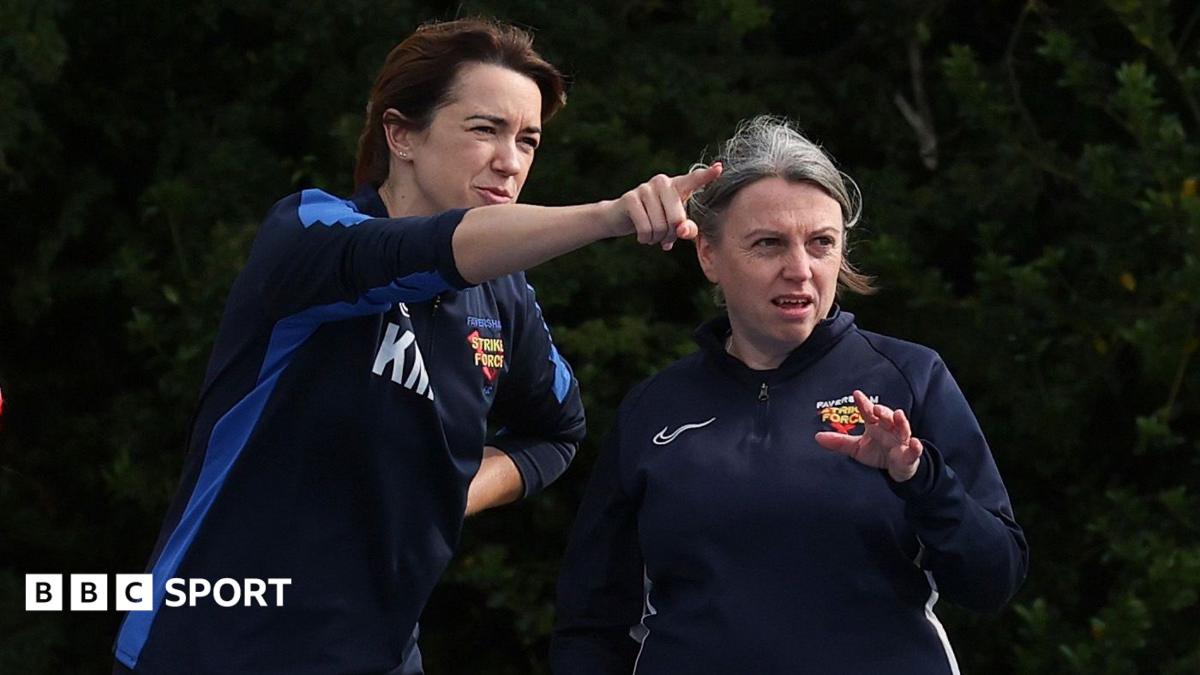
Handyside highlighted Kent non‑league side Faversham Strikeforce’s campaign to bring mums into coaching – a rare initiative.
“A woman’s experience includes life stages like motherhood, which disproportionately affect her,” she noted.
“We need job‑shares and more part‑time coaching roles. A temporary break shouldn’t become permanent.”
“At grassroots, women are written off once they have a family, unlike elite levels where employment law offers protection.”
“All coaches deserve contracts guaranteeing a return after a break.”
“People merit respect and protection at the grassroots level.”
Even after England’s women’s football team clinched back‑to‑back Euros and the Red Roses lifted the World Cup, the old notion of sport as a male arena still haunts us.
“I’ve taken a few coaching courses, and there was only one female mentor,” says Conning.
“In my B licence class, 28 men and three women attended. It feels intimidating.”
“In our Manchester Laces division, only a handful of women coach. Matchdays feature male referees and coaches, which can be daunting.”
Handyside wants the Women in Coaching plan to move beyond slogans and inspire real change.
“This isn’t ‘see it to be it’; that idea doesn’t sit with me,” she asserts.
“We must prove the sports sector truly values women and wants them involved.”
“It’s not about blaming men; it’s about the all‑or‑nothing culture and lingering stereotypes.”