
England heads to South Africa for a three‑Test series in December, eyeing a home Ashes next summer. Can they steal lessons from Australia’s 214‑run Durban victory?
England won’t profit from a still‑rusty Proteas side.
It’s been almost a year since the Proteas last played Test cricket, having secured a 2‑0 series win in India. This match marked their first home Test since lifting the World Test Championship at Lord’s in June 2025.
Consequently, they never found a proper rhythm.
Aiden Markram shone, batting 237 balls over nearly six hours in the second innings, while David Bedingham added useful 40s at number three.
South Africa squandered several starts, six batsmen reaching at least 30 yet failing to build big totals, leaving a 106‑run deficit.
Top‑order Ryan Rickelton faltered, and captain Temba Bavuma managed only four runs across both innings, raising doubts about his impact.
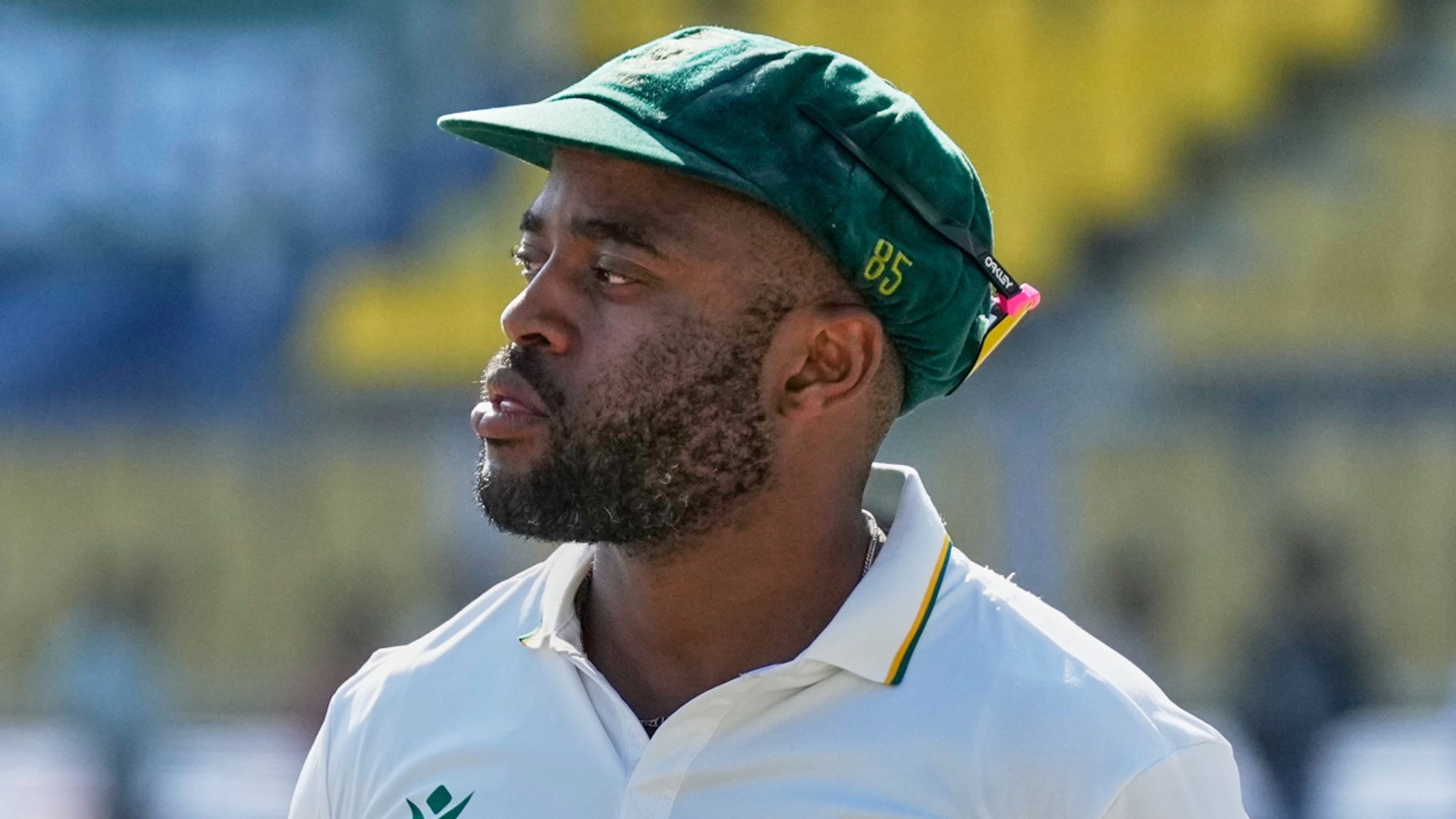
The side may be facing underlying concerns rather than just rust after their long break.
England should have answers by the time they land in Johannesburg for the first Test on December 17, after South Africa finish two more Tests against Australia and a two‑match Bangladesh series in November.
Has Renshaw finally fixed Australia’s middle‑order woes?
Matt Renshaw’s career‑best 190 in the first innings could lock him into the middle order for the foreseeable future.
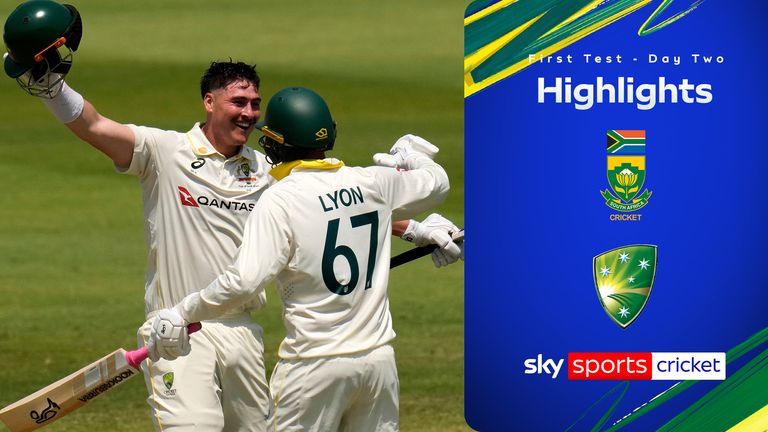
The match‑winner also contributed 82 in the second innings and picked up a couple of wickets with his part‑time off‑spin, rescuing Australia from 124‑6 on day one.
Australia then posted 390 deep into day two and never looked back.
Even if Renshaw cements the No 5 slot for the series, the composition of the rest of the batting line‑up remains unsettled.
Travis Head, once a regular opener after a successful Ashes stint, has failed to pass 22 in three Tests since, falling to soft dismissals in Durban.
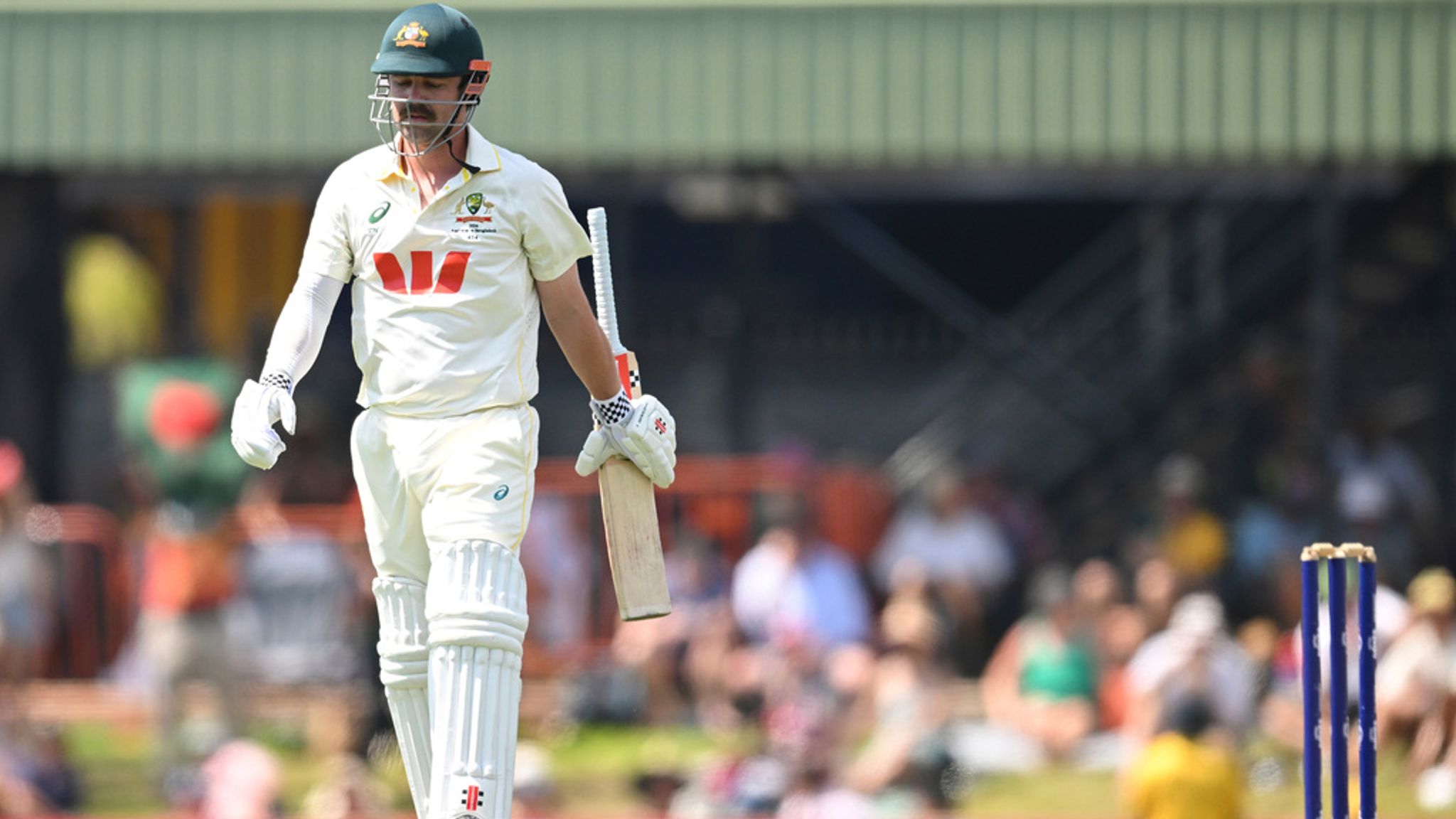
Since Renshaw has also opened before, a future swap with Head might be considered before Australia’s England tour next summer.
For now, Renshaw enjoys a middle‑order run, while Australia must still address larger batting dilemmas before deciding Head’s role.
Uncertainties linger around Labuschagne and the top order.
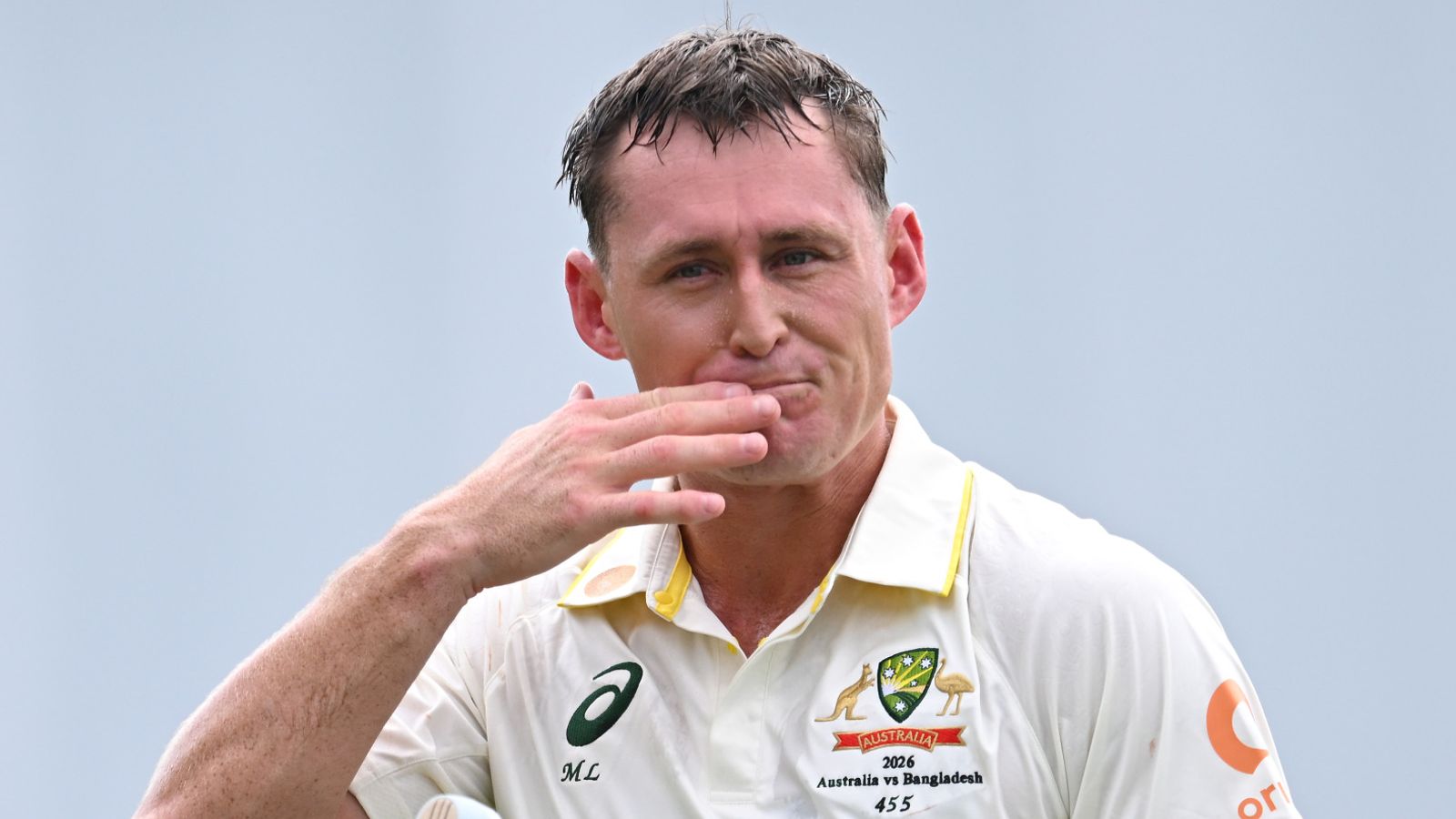
Marnus Labuschagne still chases his 12th Test century, a drought stretching back to July 2023.
A century in the warm‑up hinted at form, yet his twin 37s in this Test fell short of a big score.
With a 25.29 average in his last 24 Tests since a 2023 Ashes ton, Labuschagne’s place feels more a product of limited alternatives than merit.
Case in point: Nic Maddinson.
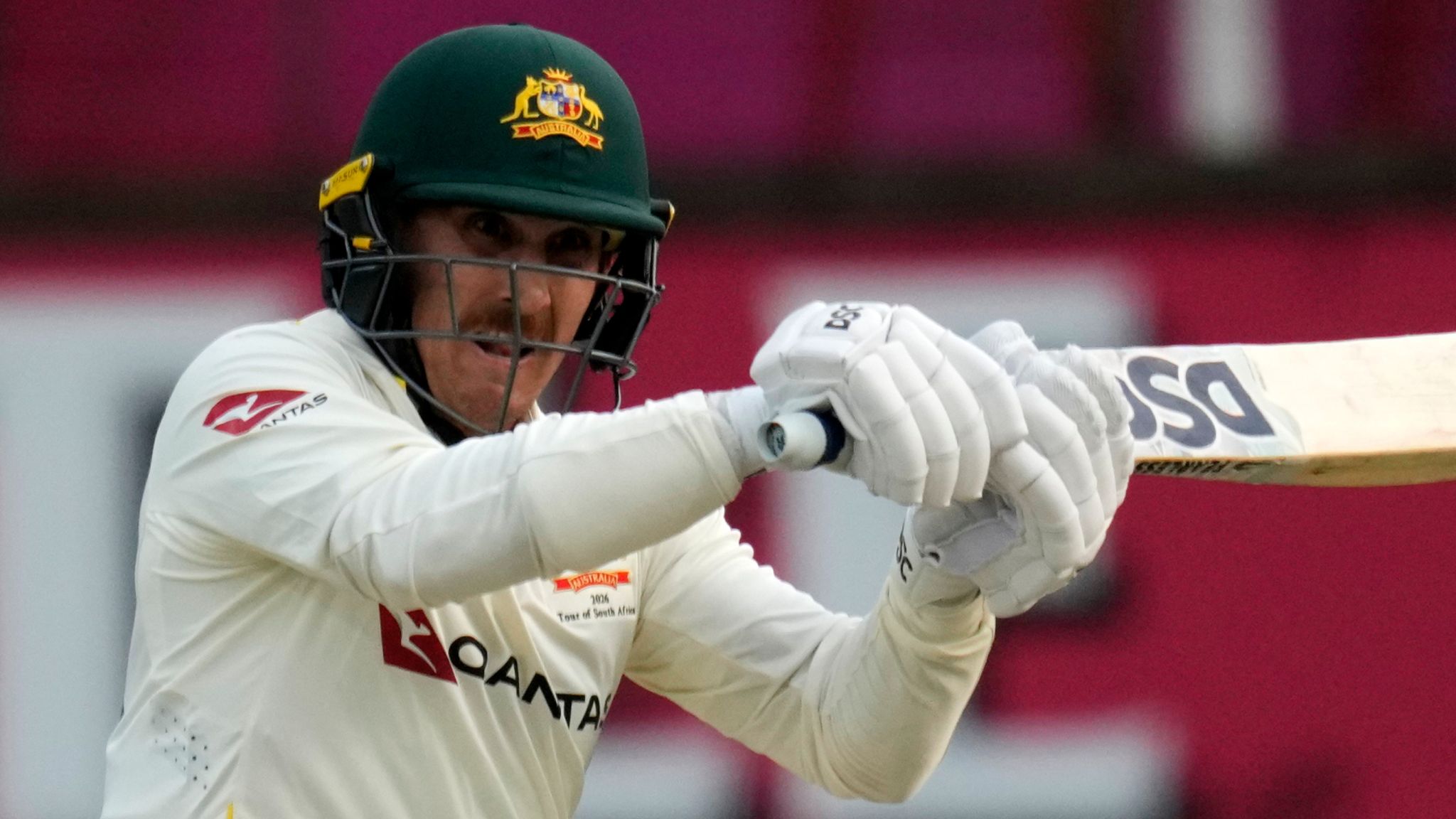
Maddinson last featured in Tests in late 2016, averaging 6.75 over three games, before injuries, mental‑health battles and a testicular cancer diagnosis stalled his career.
The 34‑year‑old hadn’t played first‑class cricket since March 2025, yet was recalled in Durban after injuries to Cameron Green and Josh Inglis.
He opened with a 33‑ball duck, but in the second innings unleashed freedom, striking six fours and two sixes in a 48‑run cameo off 38 balls, though his spot will stay under scrutiny.
Both Green and Inglis are expected back for the second Test in Gqeberha.
Dropping Maddinson after one match would be harsh, yet Australia will be keen to reinstate golden‑boy Green, whose path is blocked by Renshaw at No 5.
He could replace Labuschagne at No 3 or Beau Webster at No 7, but the batting order still needs clarity.
Hazlewood and company still prove a potent force.
One worry for England is the relentless depth and quality of Australia’s bowling attack. For my money, their seam firepower is the toughest hurdle any side will face.
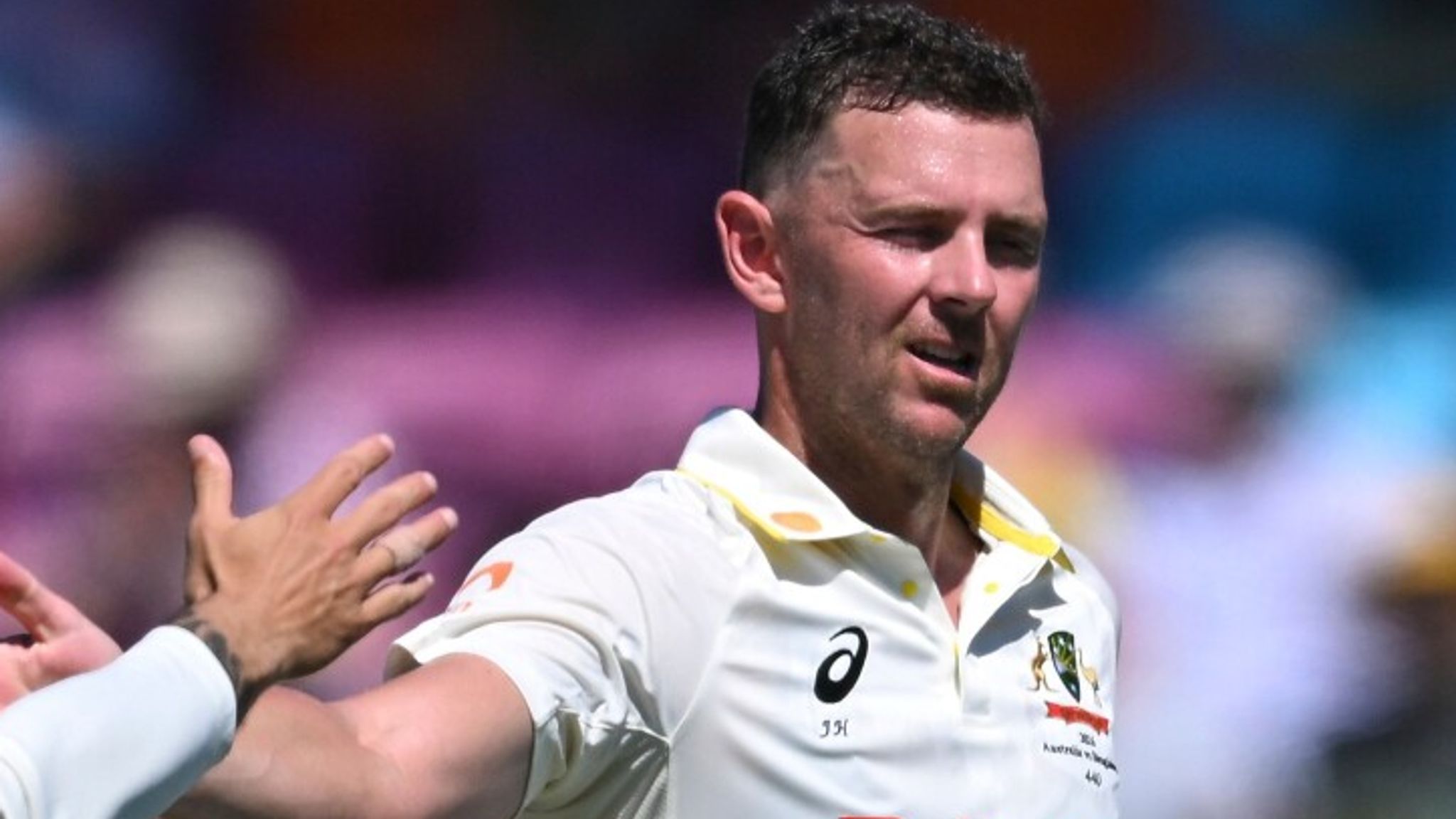
Josh Hazlewood’s career‑best 6‑49 in the second innings capped a dominant seam display, while captain Pat Cummins took 3‑54 to bowl South Africa out for 284 on a decent pitch.
Veteran off‑spinner Nathan Lyon adds variety, with Scott Boland and Michael Neser ready in reserve.
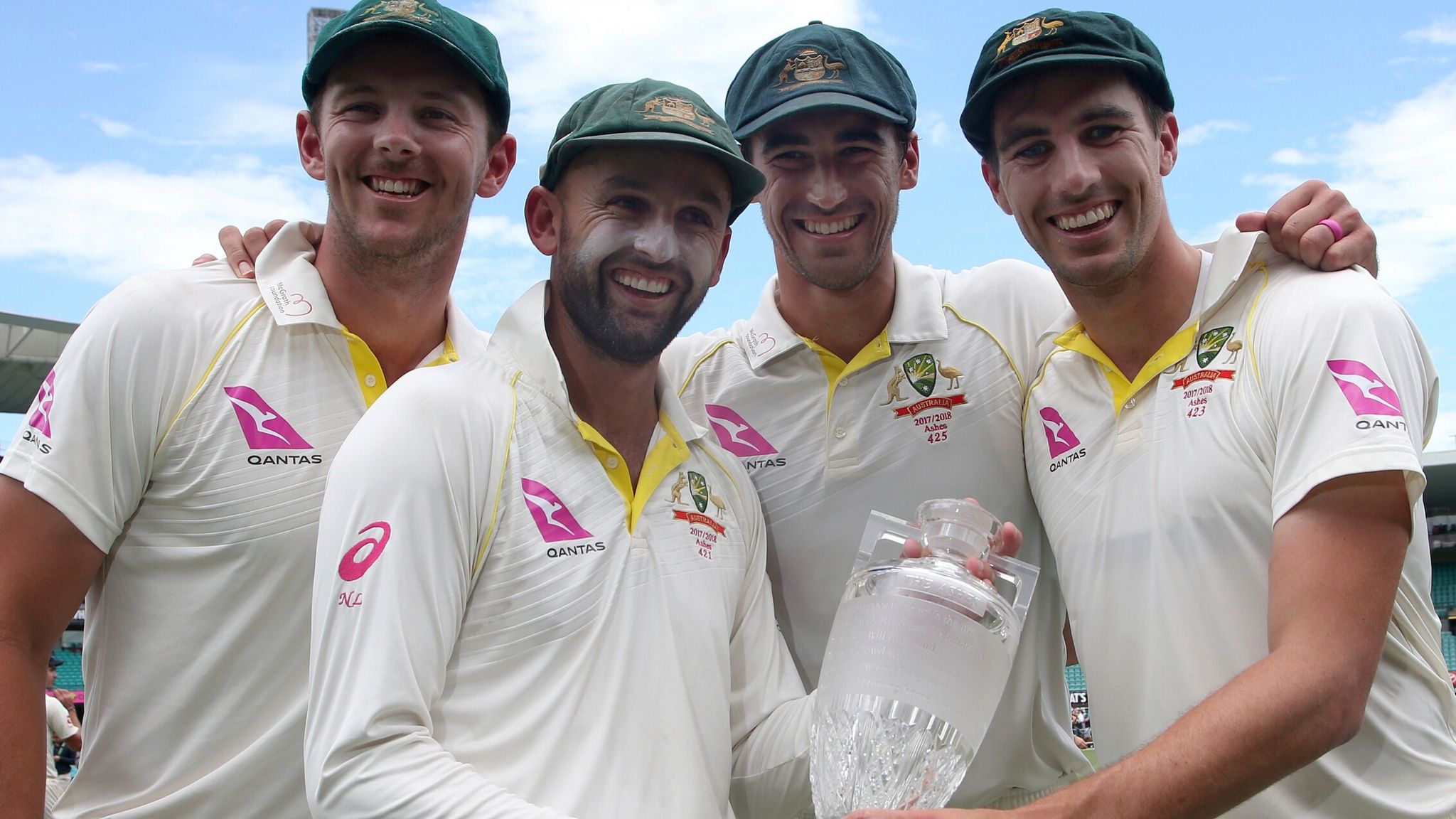
That depth will be tested as Australia’s aging attack faces a packed schedule – a four‑match home series versus New Zealand and five away Tests in India after South Africa.
Their fitness will be under scrutiny when the Ashes kick off on June 18 at Trent Bridge.
Any claim that the attack is past its prime now seems wildly premature.
South Africa’s selection choices remain a head‑scratcher.
South Africa’s opening XI raised eyebrows, especially the choice to play two specialist spinners in Durban.
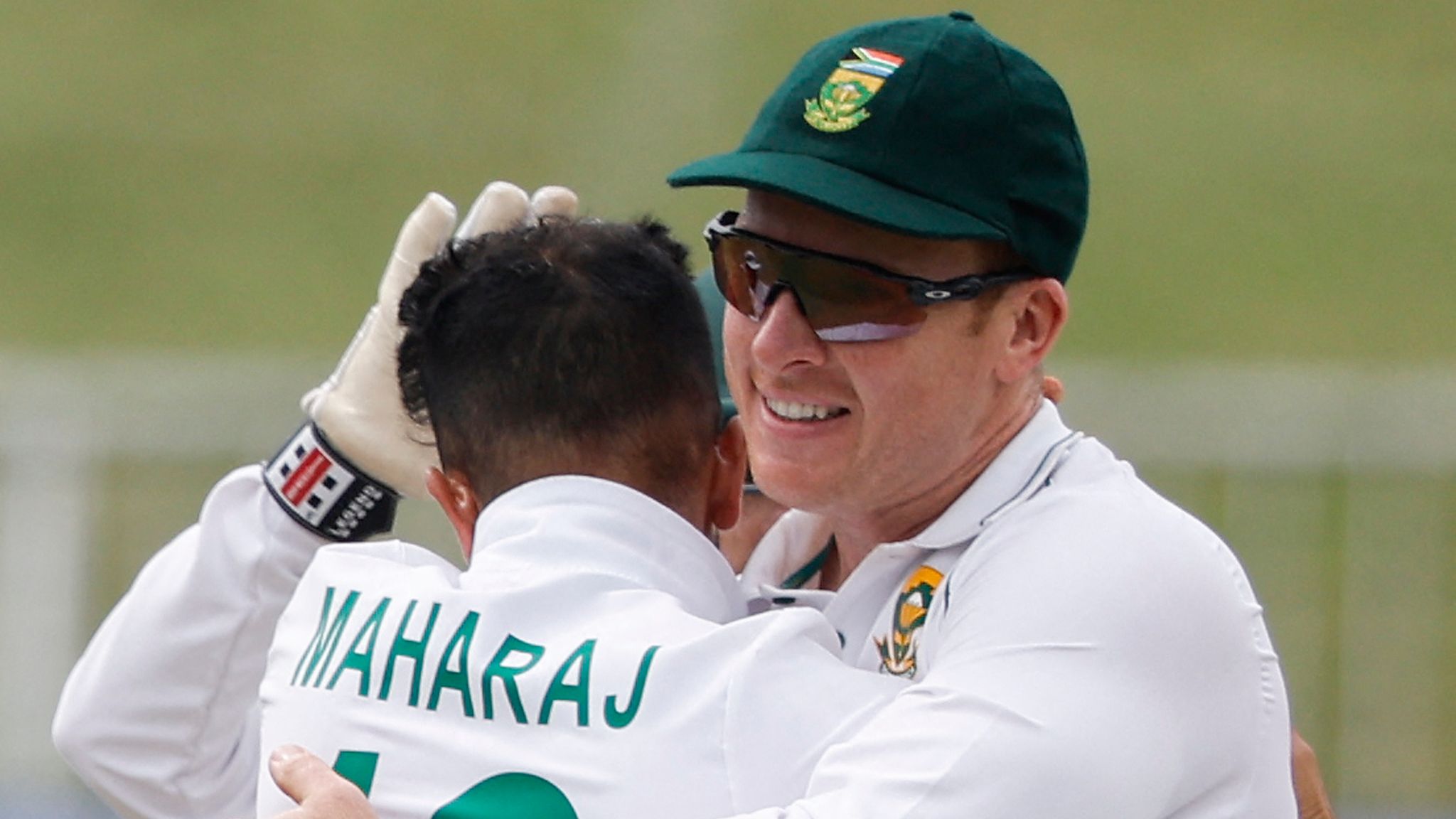
Keshav Maharaj and Simon Harmer offered left‑ and right‑arm spin but combined for just four wickets, only one in the first innings, allowing Australia to recover from 124‑6 to 390.
Kagiso Rabada’s hamstring kept him out, forcing a makeshift attack that looked lopsided.
Wiaan Mulder’s use of the new ball was questionable.
He did claim two wickets early and a couple more later, but overall proved ineffective over 31 overs.
Anrich Nortje’s return was encouraging; after a long Test hiatus he showed flashes of the pace that once made him a key bowler from 2019‑2023.
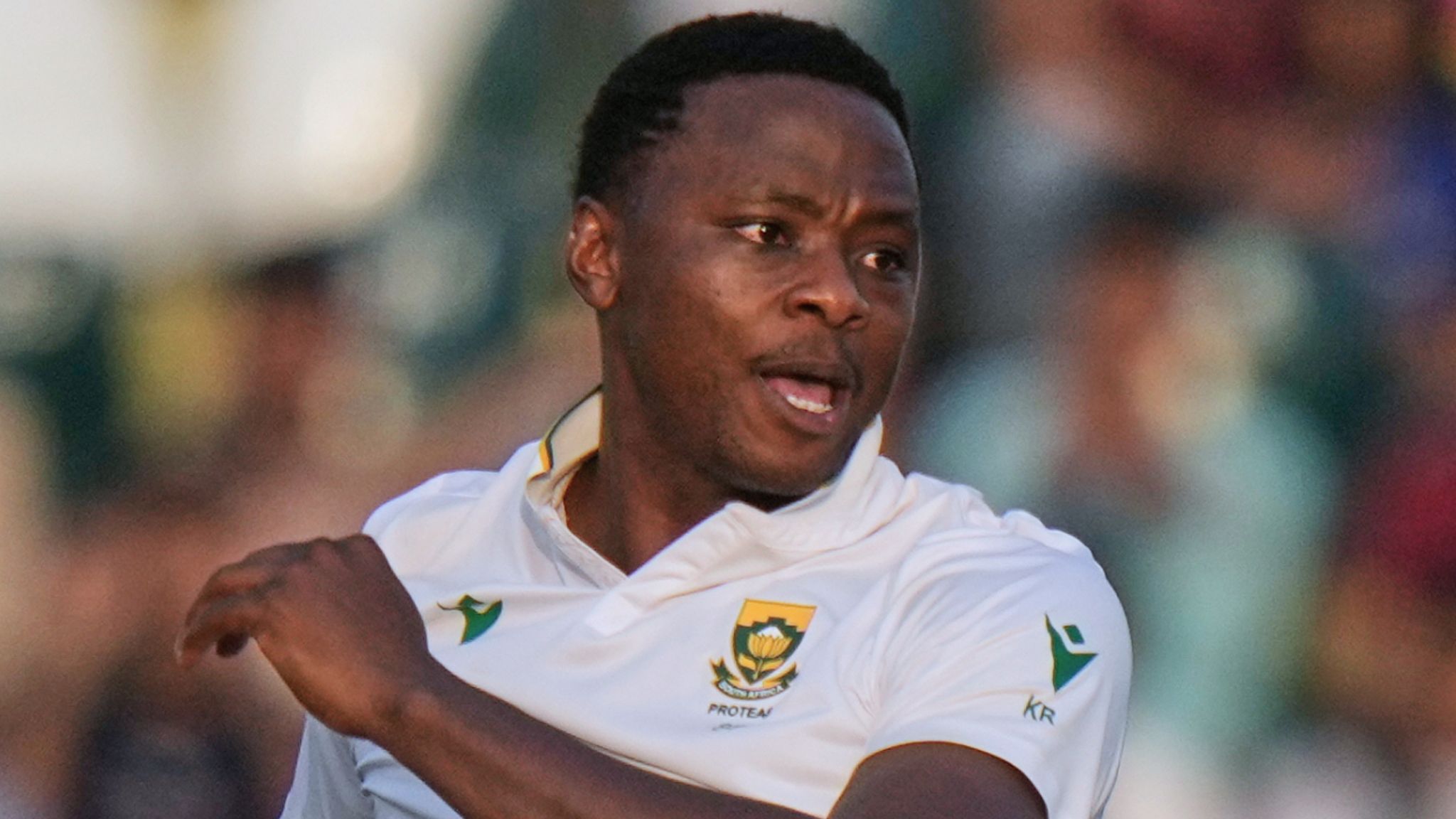
If Rabada returns fit for the Gqeberha Test, his presence will balance South Africa’s attack.
A trio of Rabada, Nortje and left‑arm Marco Jansen would pose a sterner test for Australia and England in the months ahead.