
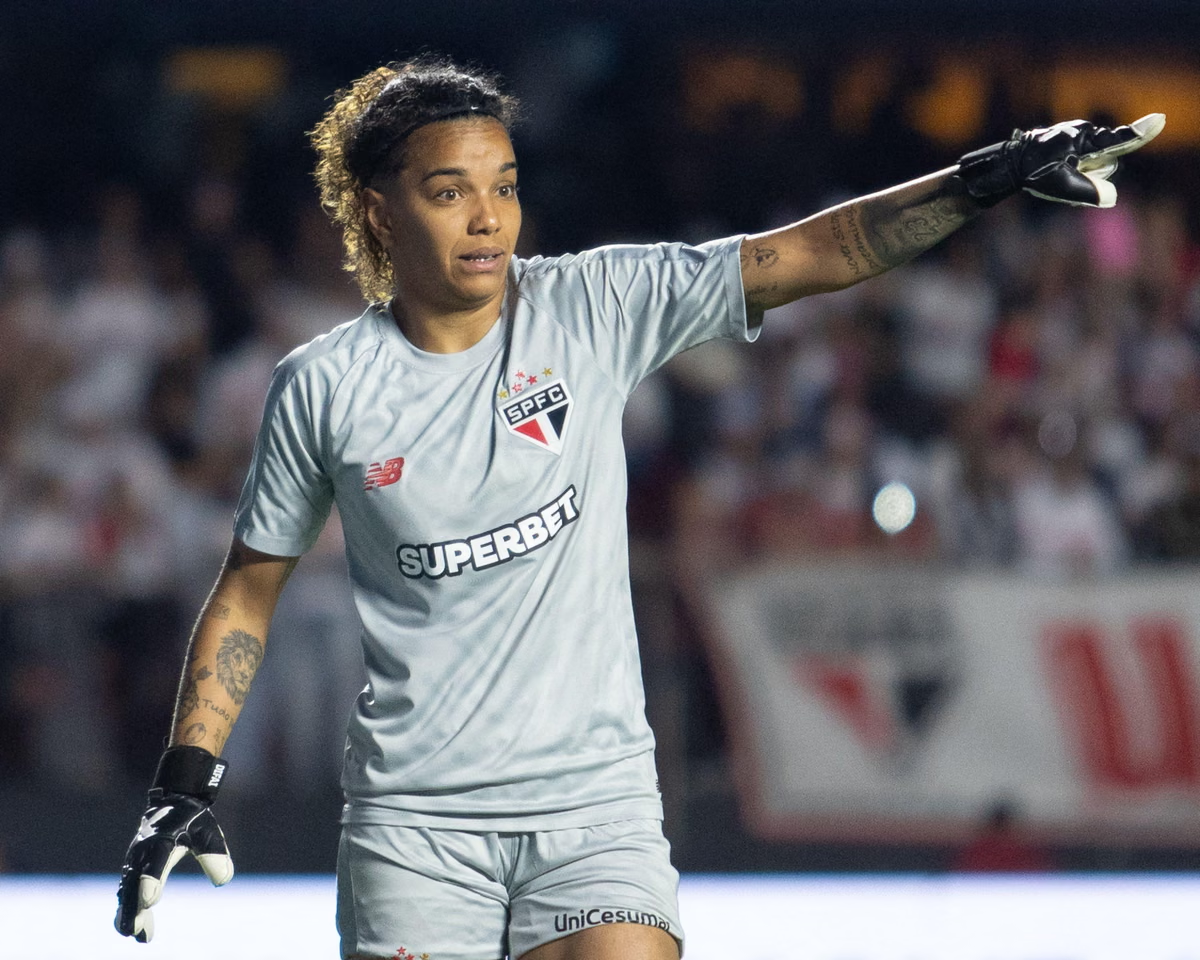
The championship climax unfolded at Morumbi, where São Paulo held Corinthians to 1‑1 and secured a 3‑2 aggregate triumph.
After the match, goalkeeper Carlinha seized the moment, shouting “Never again Bolsonaro in power” to a record TV audience of 23 million viewers.
She lost her grandmother to Covid‑19, a tragedy she links to Bolsonaro’s misinformation and the 700,000 national deaths, while his son Flávio now challenges incumbent Lula.
For my money, the election will decide the sport’s destiny, Carlinha says, recalling her grandmother daily and noting her relief at voicing a personal view during a pivotal democratic moment.
Female players have turned their platforms into political megaphones ahead of Sunday’s runoff, even as Bolsonaro’s father endures humanitarian house arrest for a coup plot.
Teammate Tayla Carolina went viral sharing her modest upbringing, describing her mother Dora’s decade of unpaid labor and a cancer‑stricken end that kept her from watching her daughter’s games.
She adds that Brazil’s glaring inequality stems from exploitation, and as a public figure she feels compelled to speak out for the many who share her background.
A new Fifpro study reveals almost half of professional women footballers consider early retirement due to mental and financial strain, underscoring the World Cup’s looming influence.
Carlinha points to politicians like Eduarda Campopiano, who brands herself an “enemy of feminists,” while Tayla stresses that government incentives will shape the sport’s future, for better or worse.
Lula’s 2026 World Cup law outlines a four‑part legacy plan to boost girls’ access, professionalise the game, combat discrimination and grow the women’s football economy, a contrast to Bolsonaro’s vague proposals.
Social media has amplified player politics: Neymar often backs the far right, whereas Richarlison leans left and recently accused Flávio Bolsonaro of seizing an island he claims to own.
Women’s football lacks the massive followings of the men’s game, yet the election’s outcome could affect their sector more profoundly than the men’s.
Kely Nascimento, Pelé’s daughter and foundation chief, warns that female athletes lack wealth protection and that the election will heavily impact communities that fuel Brazil’s football brilliance.
Carlinha, fresh from friendlies against Argentina, describes representing Brazil at home as “one of the best feelings ever,” noting stadium chants for Lula echoed through broadcasts.
Historian Aira Bonfim reminds us that women’s football has a century‑old political thread, from early 20th‑century matches to the 1941‑1979 ban and systemic oppression.
Her research inspired the short film “The House of Dona Carlota,” premiered at Rio Film Festival, recounting a coach’s persecution under the Estado Novo regime.
The film portrays the sport as a hub of socialization, resistance and hope, with the 2027 World Cup seen as a chance to cement its revival.
Bonfim warns that the election threatens decades of investment and policy support for the World Cup legacy, noting Bolsonaro once stripped the sports ministry of its status.
Hosting the Women’s World Cup could drive policy, investment and empowerment, as Nascimento says countless girls view football as a lifeline out of hardship.
The second‑round vote matters globally, influencing climate, finance and, crucially, the future of women’s football in Brazil.
Get in touch
For inquiries about our newsletters, email moving.goalposts@.
This is an extract from our free email about women’s football, Moving the Goalposts. To get the full edition, visit this page and follow the instructions. Moving the Goalposts is delivered to your inboxes every Tuesday and Thursday.