
Dakar 2026 kicked off with a dazzling ceremony that honored Senegal’s heritage and pan‑African culture. Did you feel the buzz?
The continent’s first Olympic gathering spotlights brand‑new events never before seen, giving 15‑ to 17‑year‑old athletes a historic chance.
First‑time medalists emerged in baseball5 and wushu taolu, and several beach‑rowers who podiumed may eye Los Angeles 2028 senior glory.
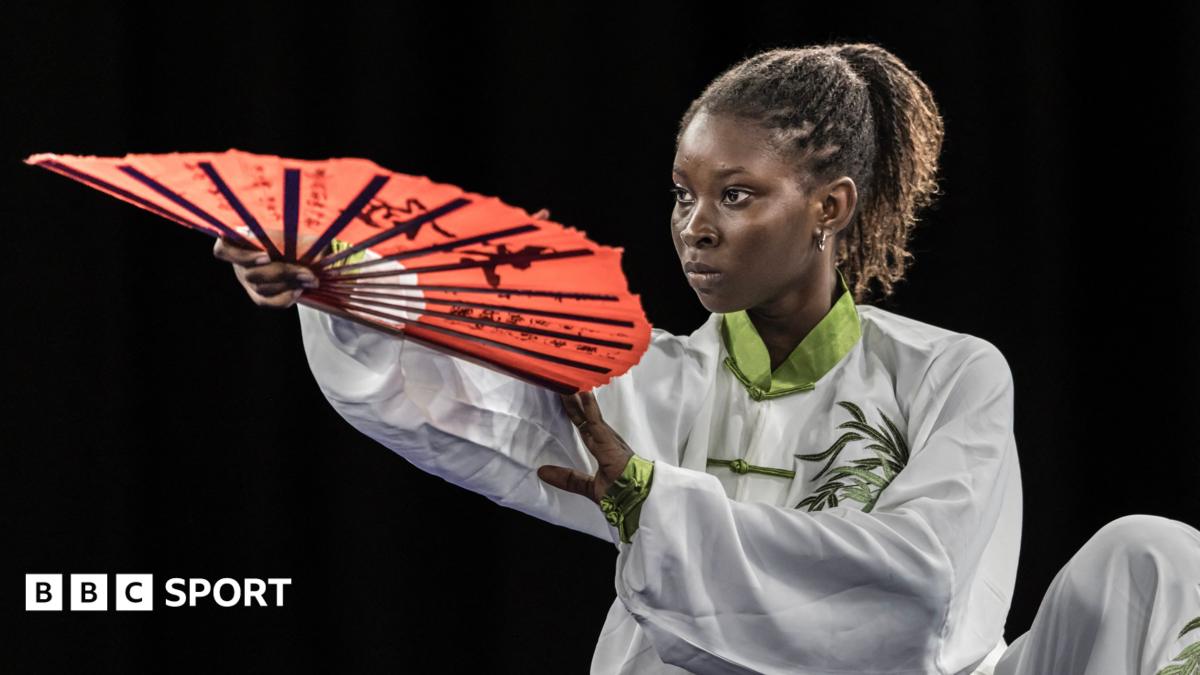
Perhaps the most striking showcase in Senegal is the modern Chinese martial art known worldwide as kung fu, contested in choreographed forms and sparring. In my view, wushu steals the spotlight.
Wushu has only appeared as an exhibition before, but this year medals were contested in changquan and taijiquan on its official Olympic debut.
Changquan blends speed, kicks, leaps and acrobatics, while taijiquan mirrors tai chi with precise, music‑driven movements.
Teams abandoned standard kits, letting athletes don vibrant, flowing robes adorned with intricate patterns.
“Every competitor brings a unique flavor to their routine,” said U.S. star Marshall Brayton.
“That individuality is the heart of wushu,” he added.
Spectators loved the aerial flips and weapon displays in changquan, while syncing moves to music posed a distinct hurdle in taijiquan.
“I was told to fall asleep to the track used in my performance,” Singapore’s eventual champion Zhe Nin Ng explained after day two.
“I had to internalize it, repeat it until it lived in my muscles, even in my dreams,” she said.
Everything you need to know about the Dakar 2026 Youth Olympics
Rowing has been Olympic since 1900, but a fresh twist lands on Senegal’s Atlantic shoreline.
The race starts on sand: an athlete sprints, boards a boat, rows 250 m to a buoy, then turns sharply back.
Back on shore they leap out, dash to the finish buzzer, and the quickest time claims victory.
“It’s insanely fun, far more thrilling than classic rowing,” 17‑year‑old Isaac Moos of the USA told Olympics.com.
“Moments can flip in an instant.”
Beachside fans watch the whole sprint, while shifting sea conditions add unpredictable drama.
“The waves never settle; a tiny slip can cost you,” noted China’s mixed double sculls gold medalist Su Juntao.
You must push speed while minimizing errors—that’s the real challenge and excitement.
This is just the beginning for coastal rowing, as it will replace the lightweight double sculls at LA 2028.
Baseball returns to the Olympic calendar in California in 2028, but Dakar launched an urban, stripped‑down version last Friday.
Born from street play to boost accessibility, the five‑a‑side format features mixed‑gender teams on its debut.
Without a pitcher, batters strike the rubber ball by hand from an 18 m × 18 m court with four bases.
There are no strikes; each batter gets a single legal hit attempt, aiming for runs before three outs.
Five innings make the game rapid, rewarding skill over sheer power.
Cuba, the all‑time Olympic baseball leader with three golds, opened the event by beating Turkey.
“Baseball runs in our veins; we’ll always keep Cuba on top,” declared player Jean Carlos Machado Casado to Olympics.com.
Beyond beach volleyball, two classic sports received a coastal makeover in Senegal.
Handball and wrestling bouts moved to Saly’s sandy, turquoise shoreline.
Backed by United World Wrestling, beach wrestling debuts at the Youth Olympics where traditional wrestling thrives.
Two athletes clash on a sand circle, earning points through throws, takedowns, or pushing opponents out.
Weekend matches promise short, high‑tempo action.
Eight‑a‑side handball, featured in Buenos Aires 2018, will close out Dakar 2026.
Skateboarding, first added at Tokyo 2020, also makes its Youth Games debut here.