
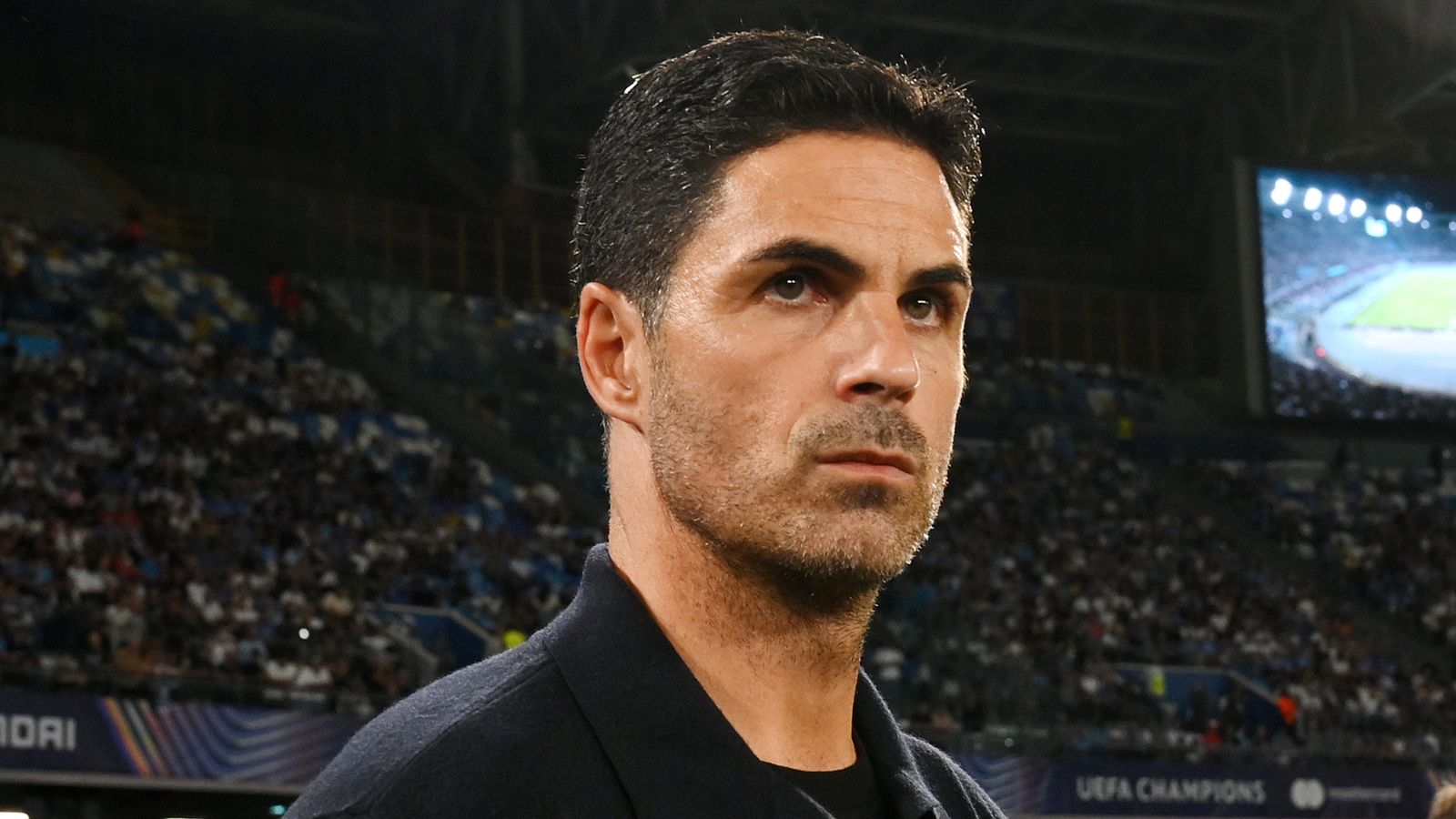
Can you imagine Arsenal chasing a second league crown? When Arteta inked his last Arsenal deal in September 2024, his hunt for major trophies was still alive, and two seasons later he’s signed on again after delivering a long‑awaited Premier League title.
Now his brief is simple: turn champions into serial winners.
Since arriving in 2019, Arteta has overhauled every facet of the club. From a 10th‑place drift to a spot among Europe’s elite, the Gunners look unrecognisable.
He joins a elite club of 13 managers who have lifted the Premier League, and now eyes the even tighter circle of Ferguson, Guardiola, Mourinho and Wenger by winning it twice.
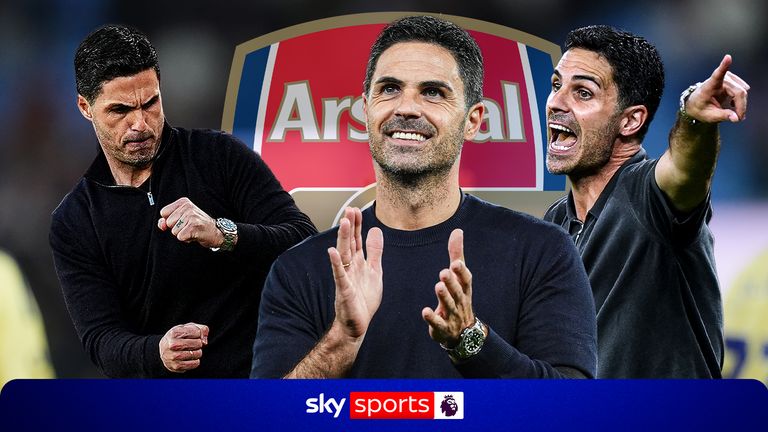
A first Champions League triumph, after guiding Arsenal to only their second final last season, would cement his legacy.
Co‑chair Josh Kroenke called the new deal an ‘utmost priority’ in May, signalling the board’s confidence and giving Arteta a chance to match Guardiola’s longevity at City.
With Pep’s departure and unrest elsewhere, Arsenal see a ‘win window’, Kroenke said, believing they can dominate.
Summer missed a game‑changing striker, yet the squad brims with players aged 24‑28, now seasoned by recent silverware.
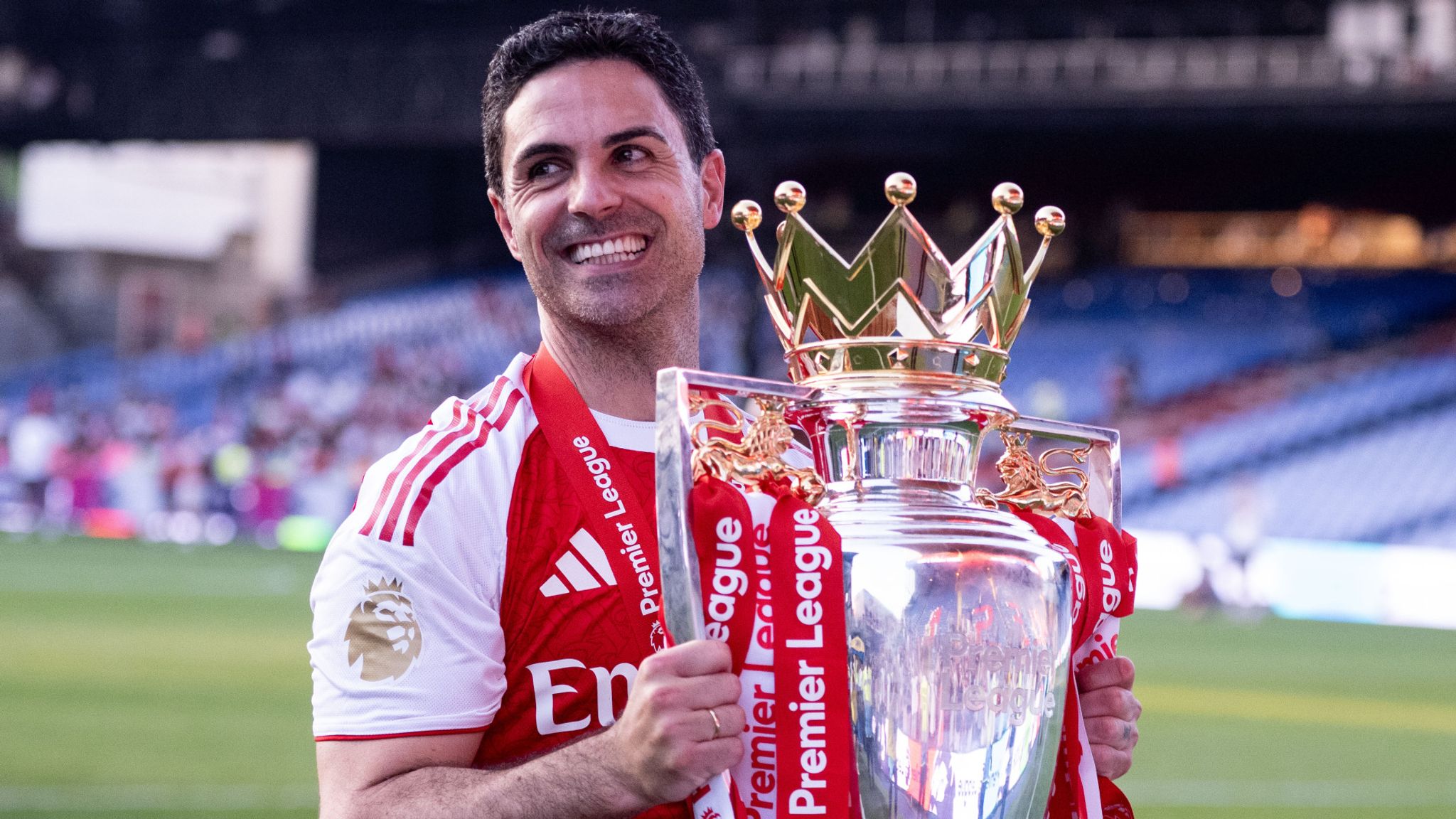
The roster appears ready to build on success, and in my view Arteta himself is Arsenal’s greatest asset, making his contract renewal hugely significant.
Who better to nurture the culture behind their rise than the architect himself?
Arteta brings stability, letting the club play from strength. ‘Laying foundations is often the toughest part,’ Kroenke added.
His tenure charts steady progress: ending a 22‑year title drought domestically and climbing from Champions League quarters to runners‑up in three years.
Yet work remains to keep the momentum.
A loss to Brighton exposed flaws, a rare three‑goal defeat since 2023 that felt like a slap in the face.
Arteta will treat it as a wake‑up call, reminding players complacency has no place in a title defence. ‘It’s a big lesson on what it takes to win,’ he said.
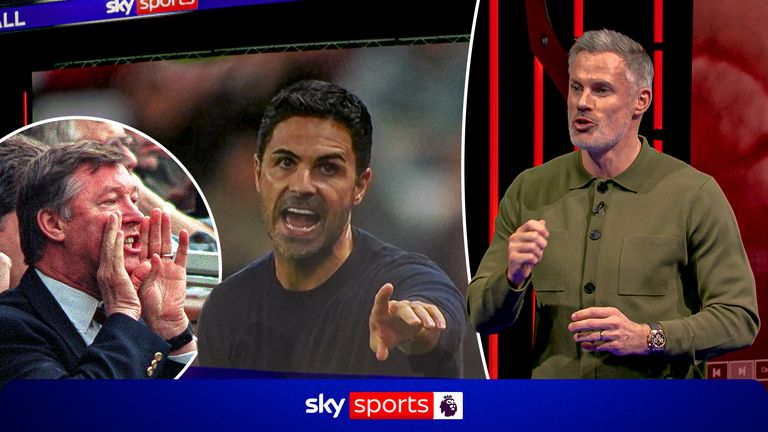
He may even grow grateful for the sting.
Arsenal entered the season as favourites, but back‑to‑back titles are rare; the club hasn’t achieved it since the 1930s, underscoring the challenge.
Evolving the squad stays a key task for Arteta.
After two seasons plagued by injuries to star attackers, Arsenal leaned on defence and set‑pieces to clinch the league, remaining formidable on both fronts.
The transfer market still needs to boost the attack, but with a clearer injury list Arteta must extract more from the current roster.
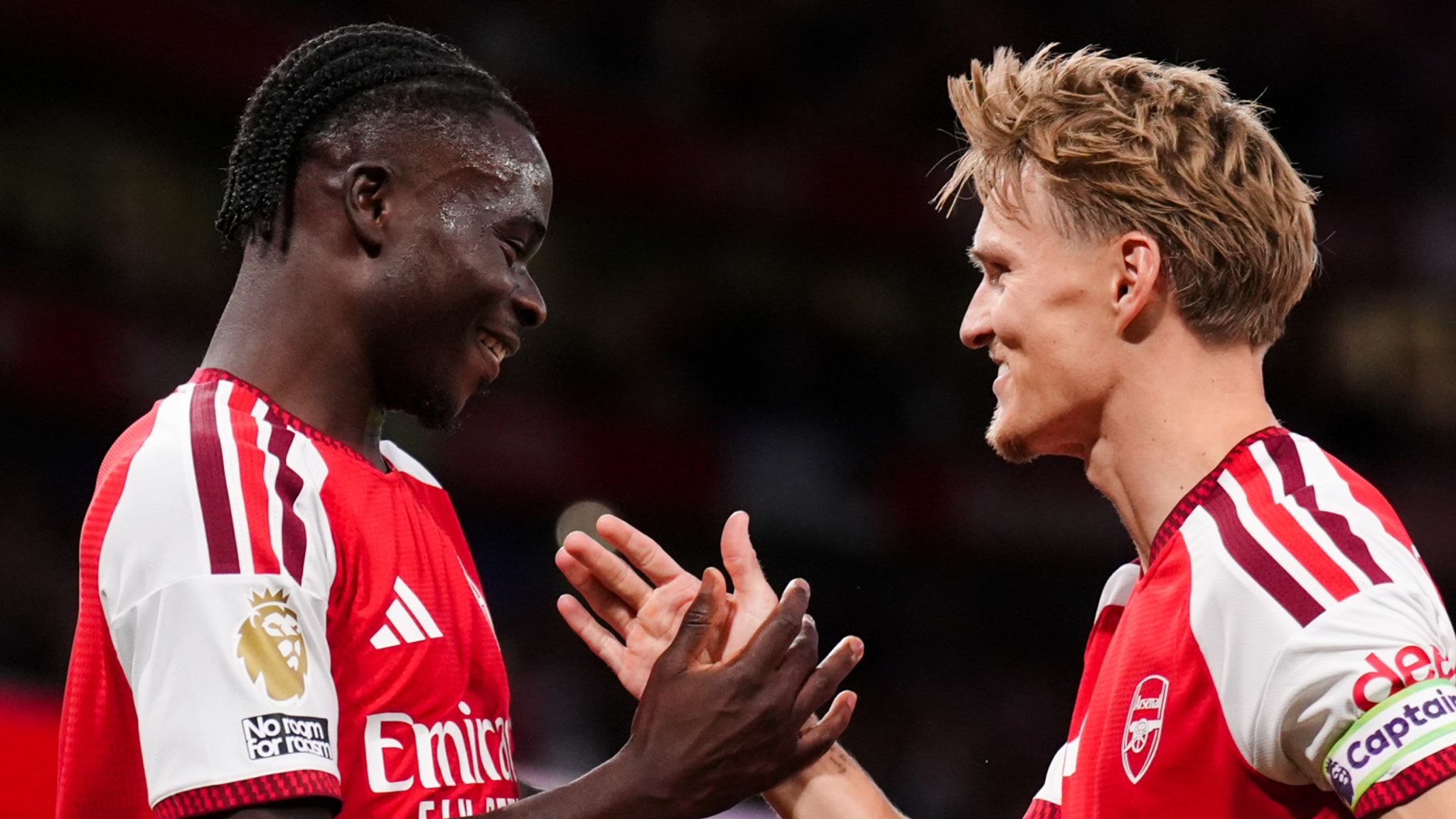
When Havertz, Odegaard and Saka stayed fit in 2023/24, Arsenal set a club goal record, and reunited they’ve already netted ten in the opening seven games.
There are signs the side is shifting back to possession football, eager to control matches rather than sit back.
It’s early, but stats show higher possession, more passes and increased final‑third activity versus last season.
Notably, build‑up attacks have nearly doubled, defined as ten‑plus pass sequences ending in a shot or box touch.
Brighton exposed early‑season growing pains as Arsenal struggled against the press, yet overall their attacking play looks more cohesive and purposeful.
Trailing Manchester City by three points, underlying data still ranks Arsenal as the season’s best‑performing team despite the Brighton slip.
Set‑piece reliance has dropped; 15 of 16 goals this term came from open play, the lone exception a late penalty by Saka against Sunderland.
Their Champions League opener versus Napoli showcased relentless pressure, yielding a single goal but a record 4.05 expected goals.
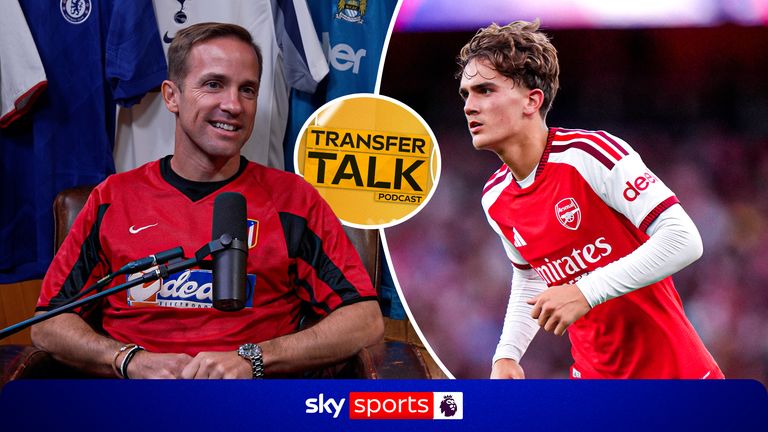
Future windows will shape the squad, but the rise of academy talents like Max Dowman and Marli Salmon at London Colney fuels optimism for this new era.