
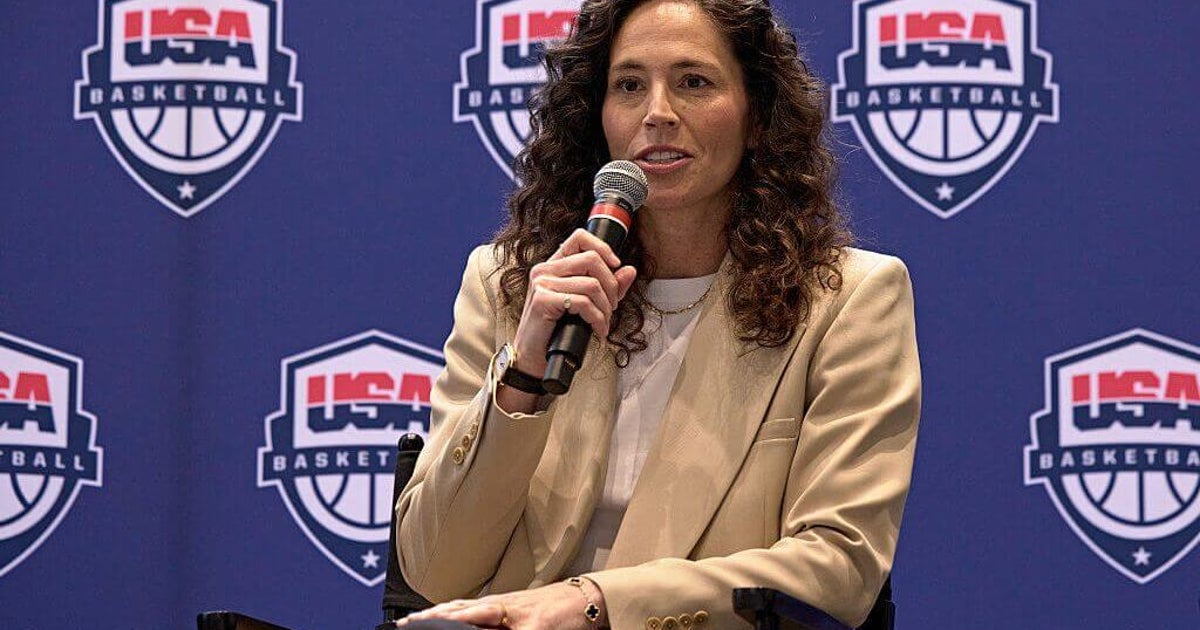
Can any player claim more impact than Sue Bird? The legend helped catapult women’s basketball worldwide, steering U.S. Olympic gold runs and guiding the WNBA toward a breakout era.
She built a foundation for a sport, league and legacy, yet now she faces the very talents she raised, battling the beasts she once nurtured.
So, congratulations?
Bird, a five‑time gold medalist, now serves as managing director of the U.S. women’s national team, picking coaches and rosters as the squad eyes a World Cup semifinal showdown.
France and Italy, raised on Bird’s standards, are closing the gap, while A’ja Wilson recovers at home, choosing to protect the league Bird helped forge over her own national team duties.
Even a gold finish on Sunday can’t mask a shifting order: France lost by a point in Paris and set a FIBA record with 22 threes, while the U.S. struggles below 30 % from deep.
In pool play, Italy’s guard Cecilia Zandalasini led all scorers with 14, energizing her team despite the U.S. lacking a clear leader until the final minutes.
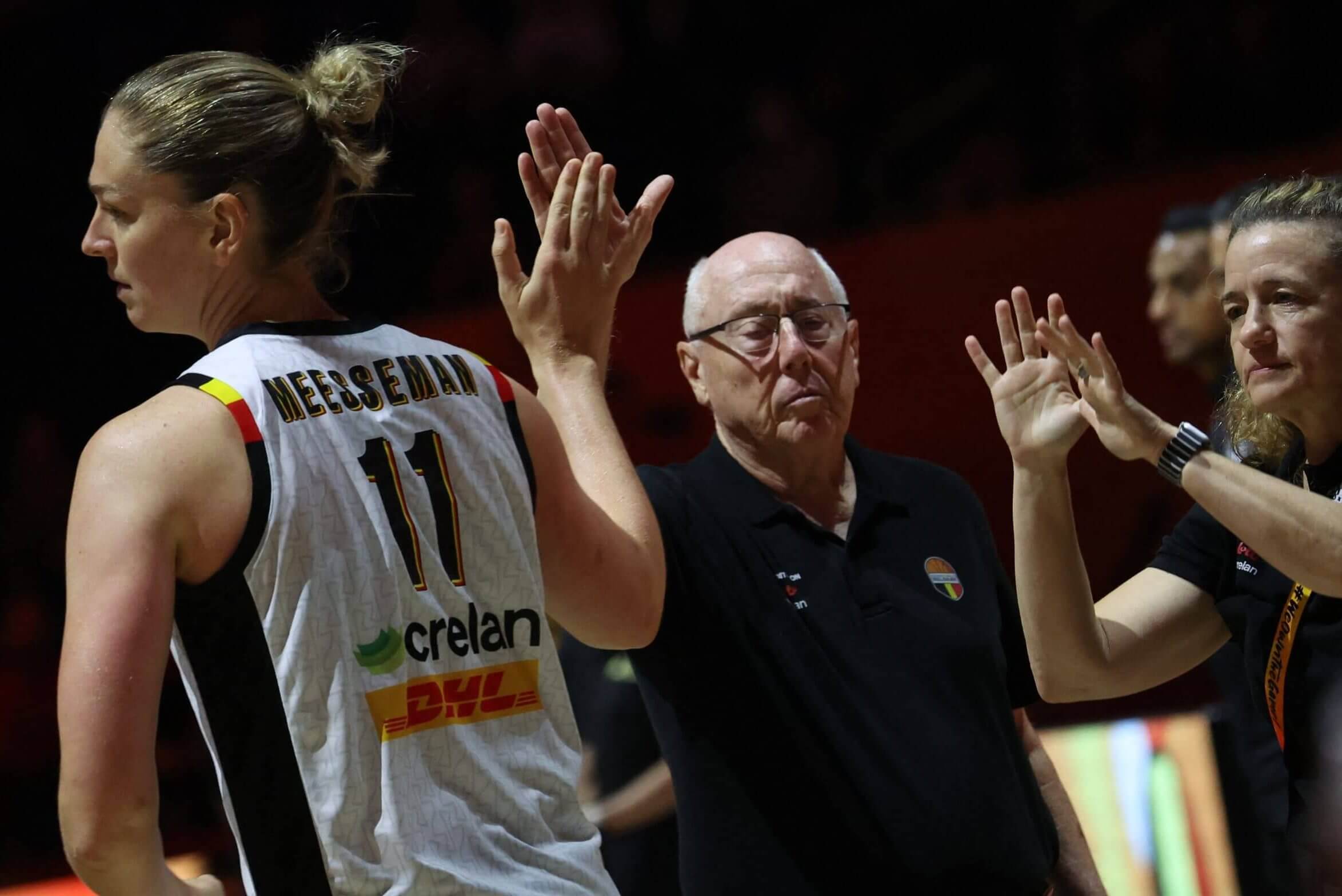
Belgium, retaining half its 2018 roster, is guided by Mike Thibault—three‑time WNBA Coach of the Year and former U.S. assistant—who now aims to challenge the legacy he helped create.
All of this unfolds alongside the WNBA’s own surge in power and visibility.
Days before departing for Germany, Kelsey Plum and A’ja Wilson left the U.S. roster; Plum later confirmed she’ll miss the rest of the WNBA season with leg injuries.
Rumors swirled that Wilson hadn’t been at full strength, her back bothering her in August, and with NaLyssa Smith out, the four‑time MVP now bears even heavier expectations.
A longer WNBA season pushes players to protect their bodies, especially as champions now earn $60,000 and Finals MVPs an extra $30,000, while the early‑season World Cup forces a tight balance of play and recovery.
Without Wilson, the U.S. still boasts top talent, yet the roster would be stronger if the world’s best player logged even 20 minutes per game—though that may not serve her best interests.
For those debating Wilson’s withdrawal after averaging nearly 33 minutes for the Aces, some WNBA insiders likely breathed a sigh of relief; her focus on the league aligns with its growing salary and schedule ambitions.
Bird once urged USA Basketball to add more on‑court time after the 2018 World Cup, prompting her and Diana Taurasi to push national director Carol Callan for an expanded prep program ahead of Tokyo.
Fresh from a Storm championship, Bird and Taurasi, then free of overseas commitments, boarded a flight to Tenerife, convinced that extra basketball was the missing piece for Team USA’s evolution.
In 2019, USA Basketball introduced games against college squads nationwide, even staging a showdown with Oregon’s Ducks and Sabrina Ionescu’s 30‑point performance before the pandemic halted the plan.
By 2020, Bird, then VP of the WNBPA, helped broker a new CBA that strengthened the league’s long‑term viability, and a year later she captained the team to its seventh Olympic gold.
She finally hung up her sneakers after the 2022 season, closing a playing career that spanned two decades.
Now her second act coincides with an unprecedented influx of money into the WNBA, expanding rosters, attracting global talent, and narrowing the gap between the elite and the rest.
Each development feeds the others, and her front‑row seat at the most talent‑rich World Cup is both product and catalyst of her lifelong work.