
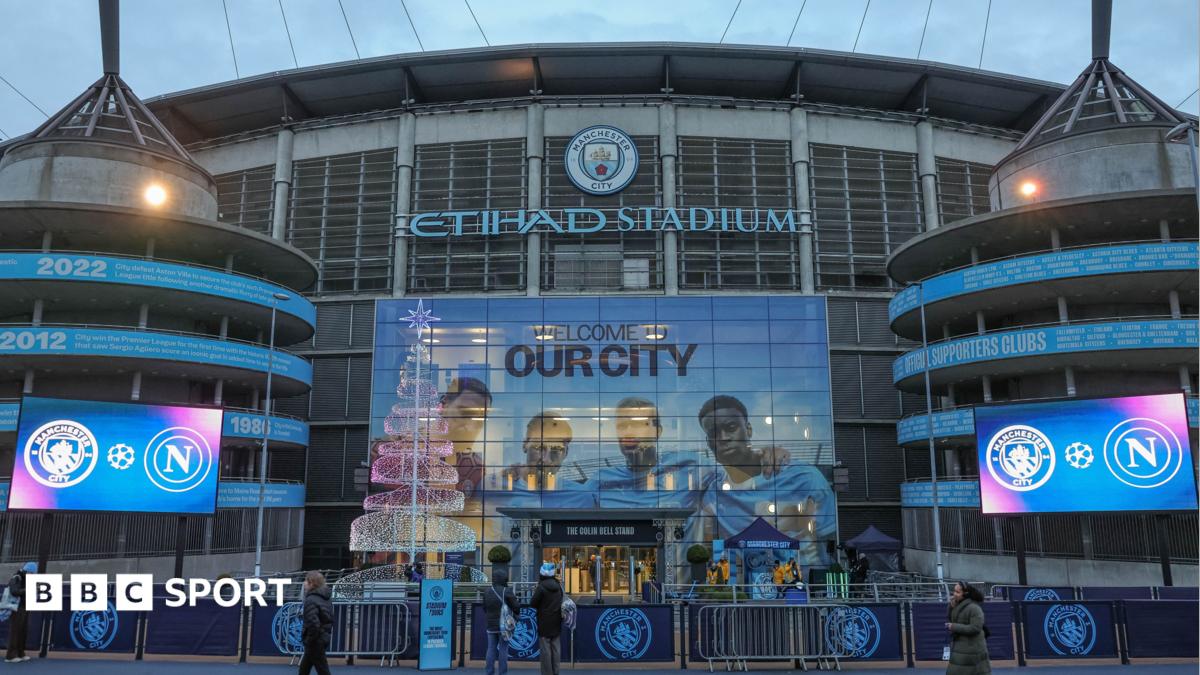
The independent regulator chair told MPs he’s prepared to take action against Manchester City.
An independent commission concluded the club breached Premier League financial rules over nine seasons.
The September verdict said City, owned by a UAE investment firm linked to Sheikh Mansour, inflated revenues and hid £900 million of losses through sham deals.
City deny any wrongdoing and have appealed; if the decision stands, the Independent Football Regulator could launch an inquiry.
The regulator can dismiss unsuitable directors and even force a club sale.
Testifying before the Digital, Culture, Media and Sport committee, IFR chairman David Kogan insisted the watchdog won’t shy away from probing the hierarchy.
“Forget the club’s name, its size, or the issue’s scale. We can’t ignore statutory duties simply because a club is big,” he said.
“We’ll act according to the law, based on the evidence gathered by the Premier League’s independent commission and any subsequent appeal judgments,” he added.
But in one sense, the evidence has already been judged, so we will have the stomach to act.
“Would I, leading a relatively new, youthful team less than a year old, choose to tackle this problem so early? Probably not,” he admitted.
“If we stand down when the triggers appear, what purpose does a football regulator serve?”
“Therefore we must visibly fulfill the legislators’ mandate, whatever that entails,” he affirmed.
De Bruyne says his love for Man City will never fade
Premier League clubs may cover legal fees if City’s sponsors sue
The case’s fallout raises fears that broader UAE investment in the UK could stall. For my money, the regulator’s resolve could reshape how big clubs are policed.
Kogan asked whether the evidence, when assessed against individuals, meets the legal threshold for concern, and promised appropriate action if it does.
That is the sole test—not politics, origin, or club size—because without it, effective regulation is impossible.
When asked how potential lawsuits with City would be funded, IFR chief Richard Monks said a £2 million litigation reserve will be built over two years via a club levy. “We expect to win, recover costs, and replenish the reserve,” he explained.
He added that a massive case could exceed the £2 million reserve, in which event the government has agreed to provide cash‑flow support.
“If we lose such a huge case, the shortfall would be added to the levy and repaid to the government,” he said.
Kogan also claimed the long‑awaited financial settlement between the Premier League and the EFL is now nearer than ever.
He revealed that 19 deal points have been trimmed to one, with the Premier League offering the EFL an extra £180 million in solidarity funding per year, on top of the current £140 million, plus £400‑500 million in parachute payments.
The EFL sought an additional £27 million annually for League One and Two clubs, but the Premier League says it cannot afford that.
The proposal also includes a £20 million liquidity fund for emergencies and a £60 million development fund for lower‑league clubs.
“Both parties appear to act in good faith and aim for an agreement lasting at least five years,” Kogan said.
The EFL board will convene next week to continue talks on the offer.