
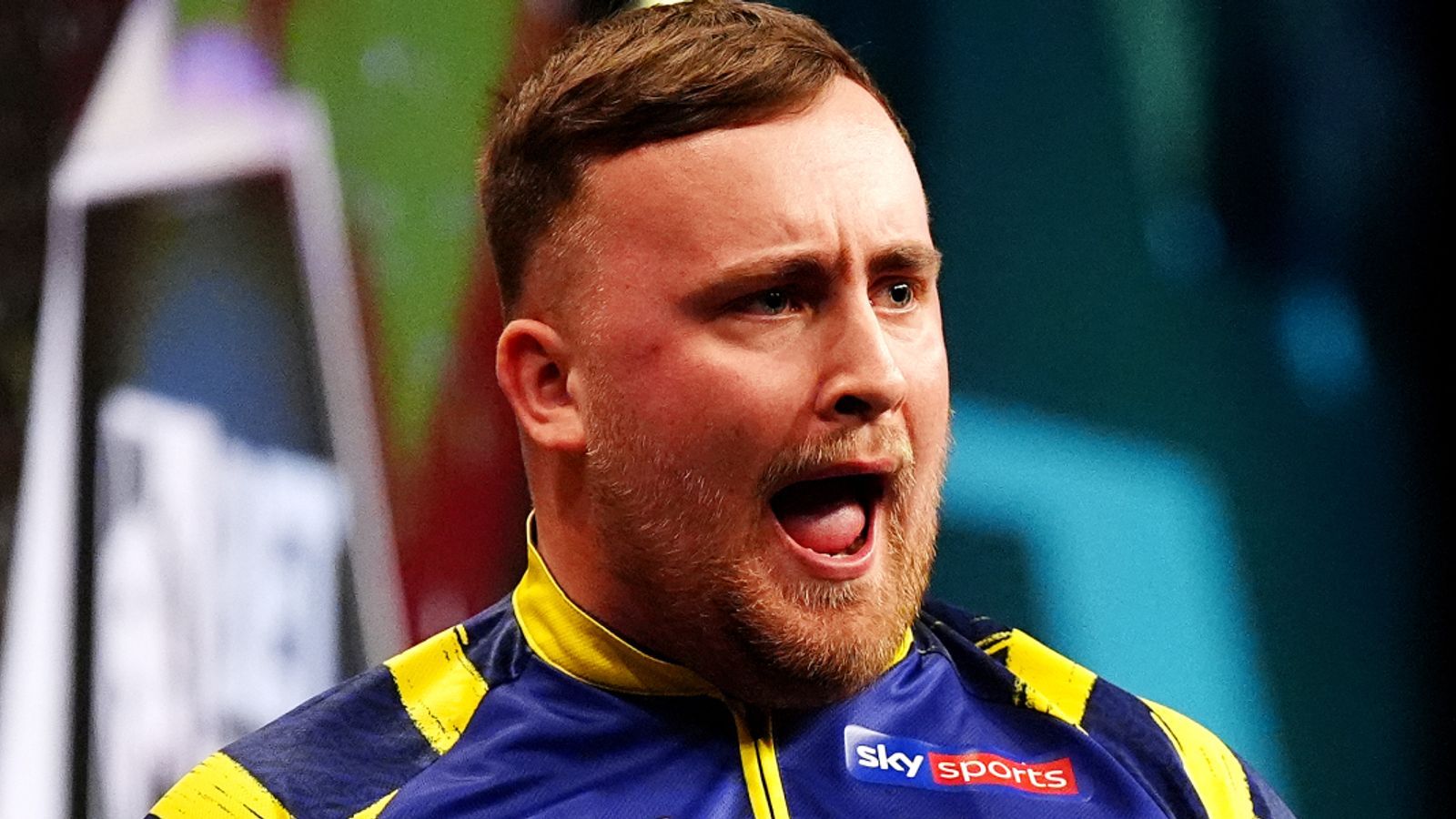
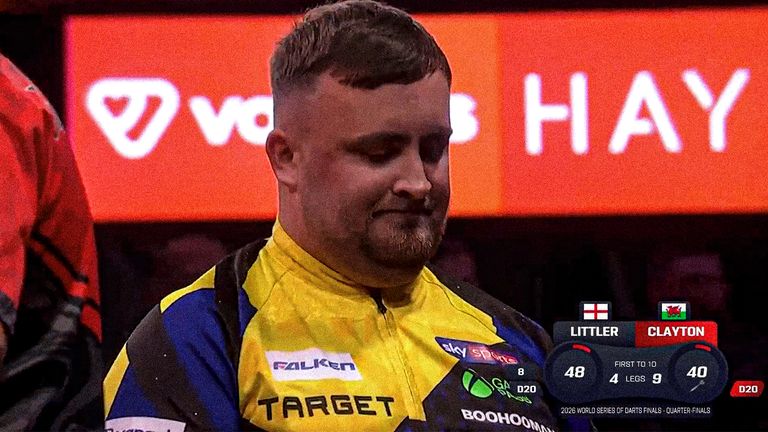
Clayton halted Littler’s clean‑sweep hopes with a 10‑4 win in the last eight in Amsterdam, and the Dutch whistling left a sour taste. Did the crowd’s whistling seal his fate?
After hostile cheers during his win over home favourite Danny Noppert on Friday, Littler warned he may skip future Dutch events after being booed and whistled at while beating Nathan Aspinall on Saturday, prompting referee Charlie Corstorphine to step in.
Littler has already shunned volatile audiences, even refusing European Tour stops in Germany after fans gave him a hard time there.
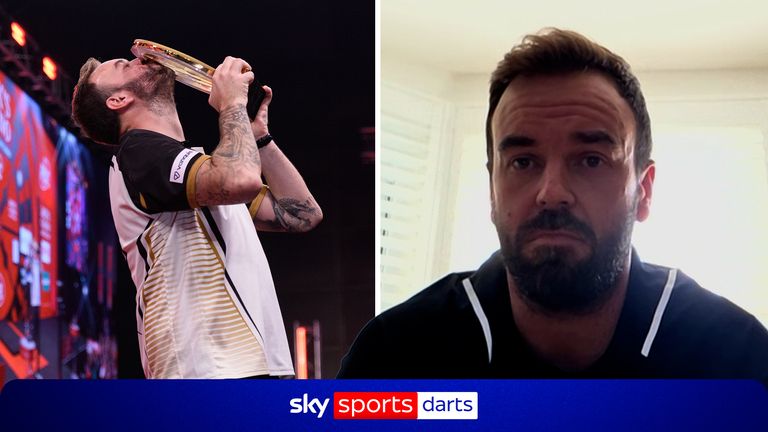
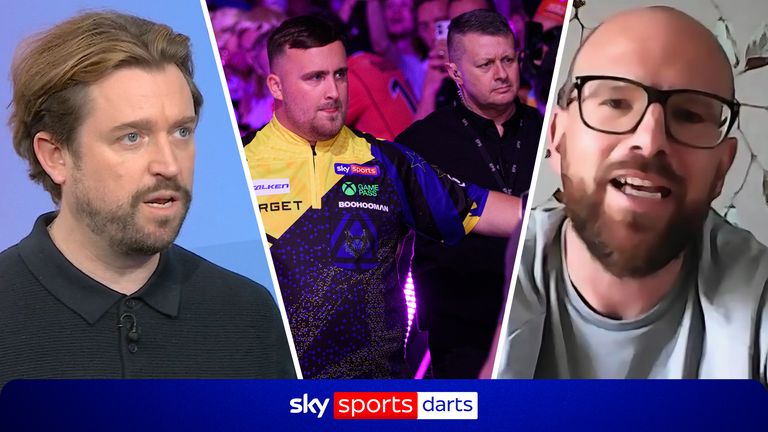
On the latest Love The Darts Podcast, World Series champion Ross Smith detailed his own method for dealing with hostile crowds, crediting three‑time world champion Michael van Gerwen for the inspiration.
“It’s a tricky spot,” Smith said. “I can’t speak for Luke – I wasn’t on stage then, and I didn’t feel the whistling much. I try not to feed it because it only fuels more stick.”
“My manager once told me, look at Michael van Gerwen – he never reacts. He thanks the crowd, stays professional and avoids extra stick. I respect that and try to learn from others.”
“I faced Kevin Doets, and the crowd naturally cheered their local guy. Same with Gian van Veen. But if you show aggression, you signal the crowd that you’re bothered, and that never helps.”
“With Gian I kept it light – a thumbs‑up, a smile, not aggression. They laughed with me, no problem.”
“How you react on stage matters. Aggression creates issues. I can’t comment on Luke’s experience, but crowds can be brutal at times.”
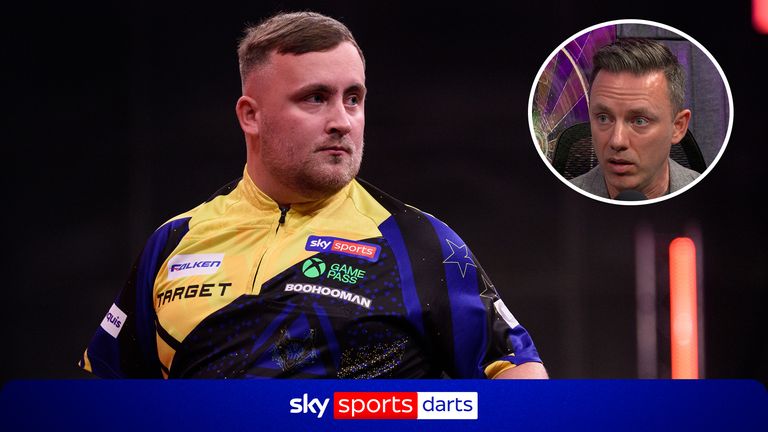
Nicholson: Maybe Littler can learn from others
For my money, Smith’s calm approach is the smartest move, and Littler could benefit from copying it.
Nicholson, once known for fiery crowd exchanges, also highlighted how 2021 champion Gerwyn Price reshaped his stage demeanor.
Building on Smith’s view, Nicholson added: “Ross hit the nail on the head. I used to be aggressive to stand out, a habit I carried for over a decade.”
“Gerwyn Price spent years tweaking his game. Now he mixes a grin with his edge, and the fans back him like never before.”
“That shows Ross is on the right track, ensuring his career stays on course moving forward.”
“We learn from mistakes and from others’ journeys. We don’t want Littler skipping events, but he could pick up a few lessons here.”
Why whistling hurts players more than booing
Nicholson explained why whistling can drive players to frustration.
He noted: “We’ve seen Littler banter with fans, which we love because it builds connection. That link is a sport’s greatest asset.”
“Lately, whistling is being used as a way for fans to make themselves heard. Players hate it – it’s sharp, pierces the ear, and appears out of nowhere.”
“It can erupt during a match dart, a leg dart, or a treble. That sudden sound jolts the shoulder and throws you off balance.”
“A boo is low‑frequency and easier to ignore. Those short, sharp whistles are terrible.”
“And if it happens once, you start worrying about a repeat, which shatters focus.”