
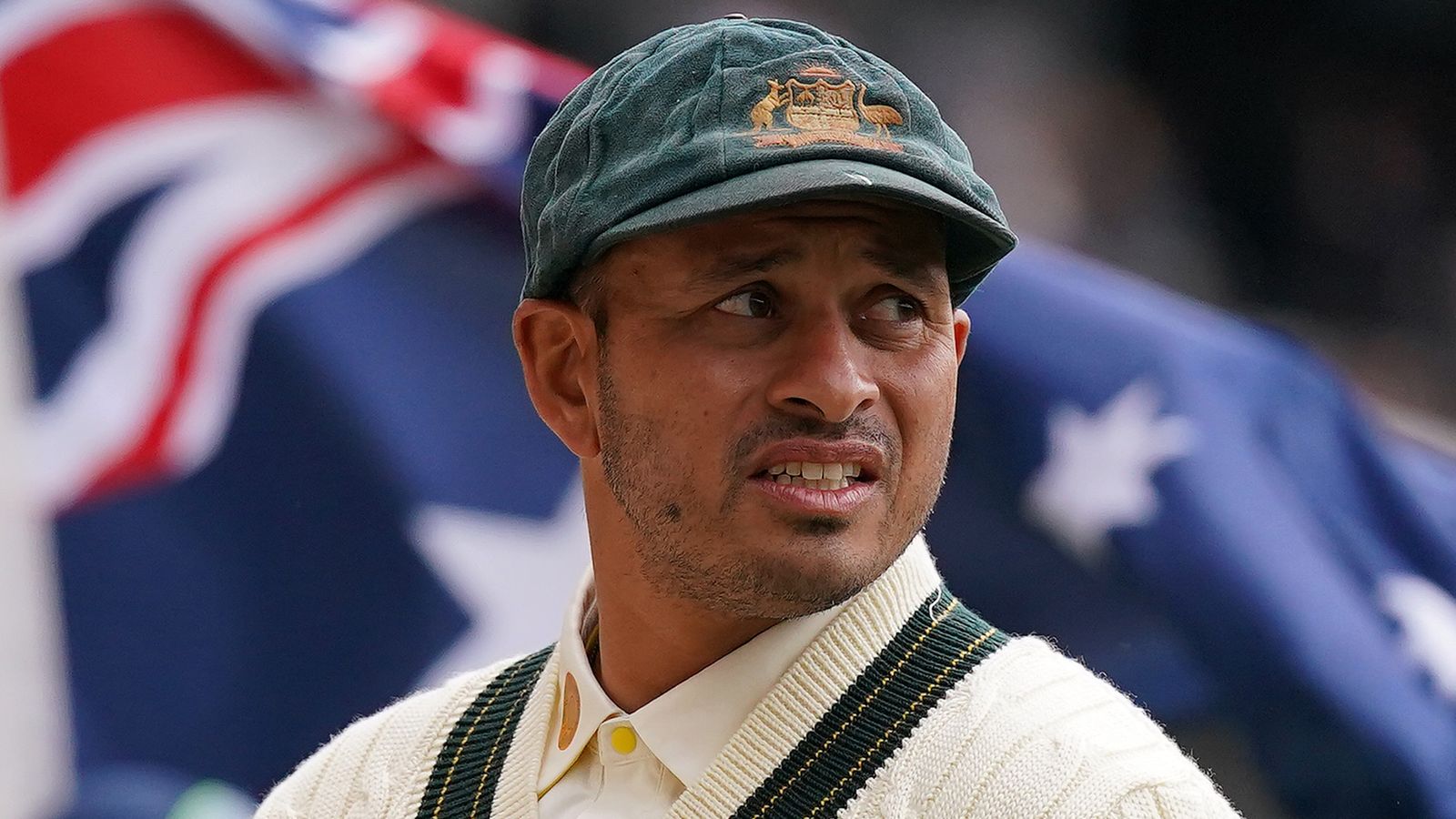
Usman Khawaja alleges the entire Australian dressing room was aware of the 2018 Cape Town ball‑tampering plan.
He told the Sydney Morning Herald while promoting his memoir Sabr, contradicting Cricket Australia’s claim that only Smith, Warner and Bancroft knew of the sandpaper scheme.
Retiring after the 4‑1 Ashes defeat, Khawaja said, “It was all of us. Not the batters, not the bowlers, not the staff. All of us.”
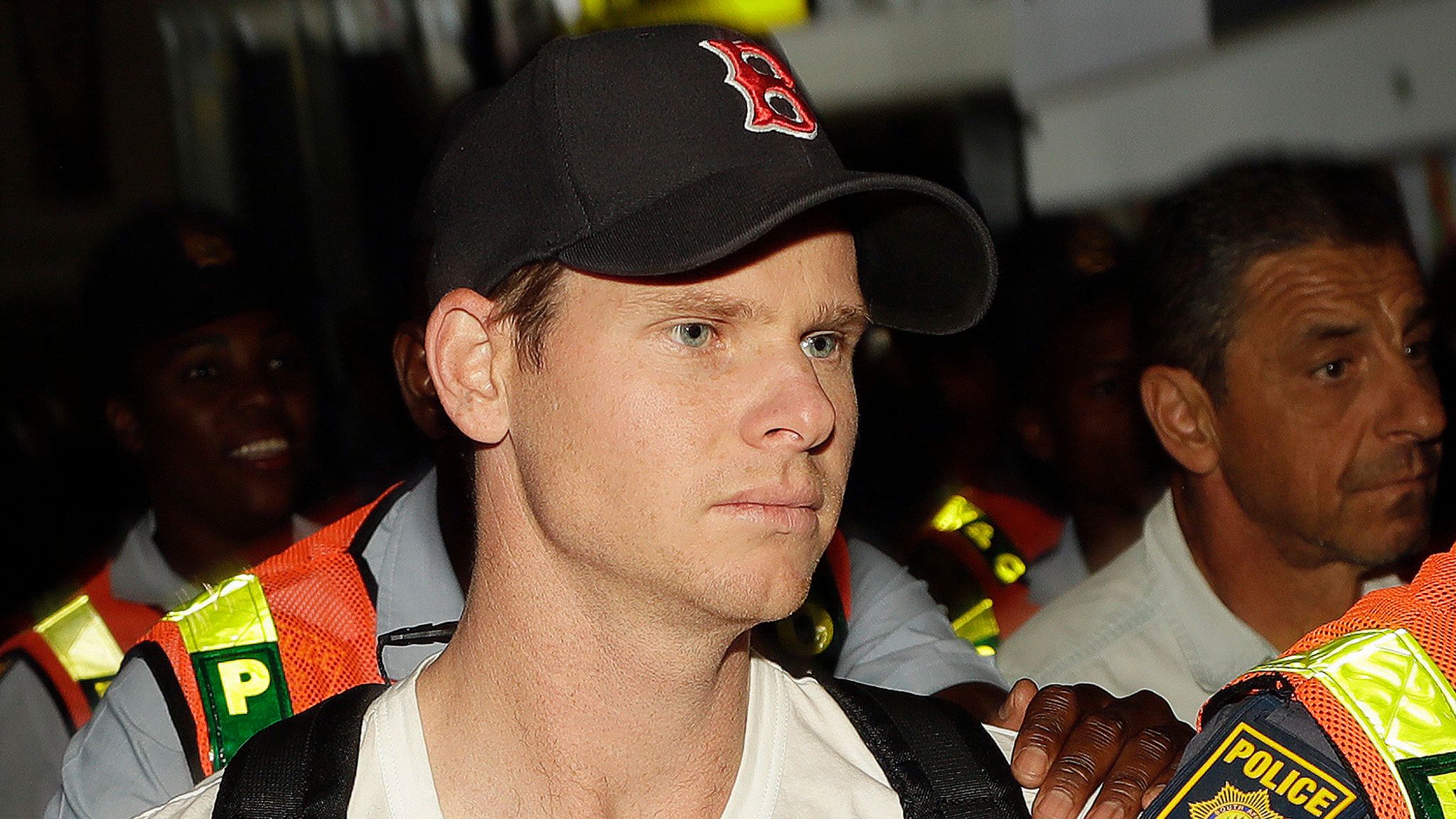
At the time, captain Steve Smith, Cameron Bancroft and David Warner received bans – Smith and Warner for a year, Bancroft for nine months.
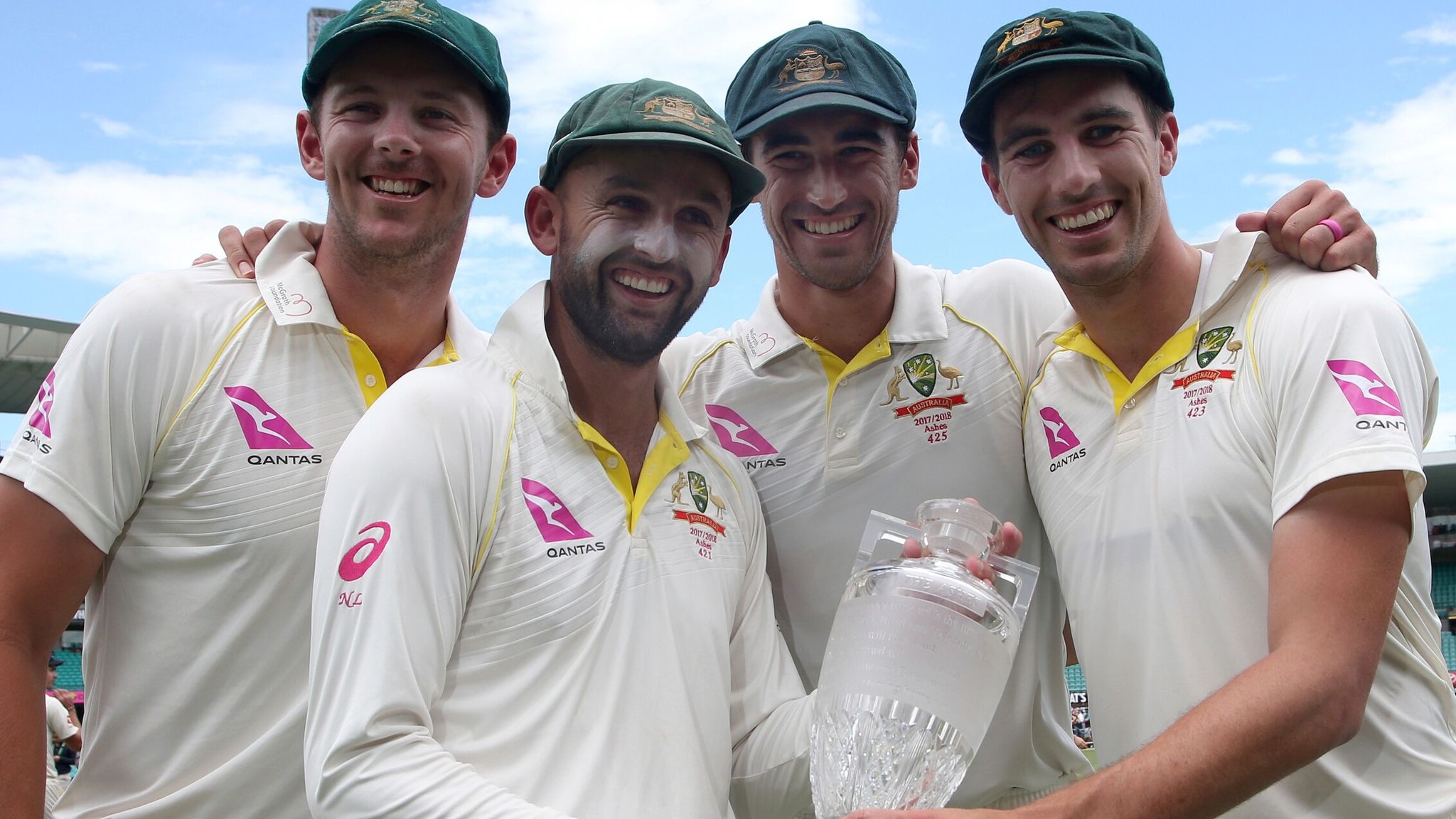
In 2021, Pat Cummins, Mitchell Starc, Josh Hazlewood and Nathan Lyon released a joint statement denying any prior knowledge.
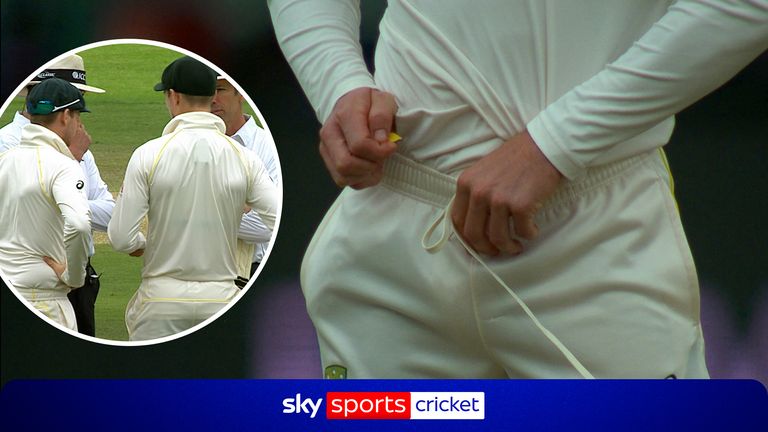
Bancroft, who tried to hide the sandpaper in his trousers, later shrugged that the answer was “probably self‑explanatory” when asked if the bowlers knew.
Coach Darren Lehmann resigned in tears after the fallout and, reacting to Khawaja’s new claim, said he doubted everyone knew about the sandpaper.
On ABC Sport’s Summer Grandstand he noted, “Ball‑tampering has existed for 150 years. It’s done case‑by‑case, not a team secret.”
Cummins, Starc and Hazlewood are rested for this month’s white‑ball series against England, while Lyon is omitted from limited‑overs squads, so they won’t face immediate questioning.
Khawaja: I thought the truth would have emerged by now
Khawaja writes that the first tampering discussion occurred during the second Test in Port Elizabeth (now Gqeberha) and that he urged collective responsibility after the scandal broke.
He adds, “In an ideal world I wouldn’t say this.”
“I never wanted to be the one spilling the truth, yet I assumed after eight years the facts would have surfaced.”
“Maybe I thought Warner would speak up, or someone else would have raised it sooner.”
“Ultimately it feels right for the three involved, and most teammates will be relieved to move forward.”
“Even in the locker room after the match I told them: ‘We acted as a team. We knew what happened. We must own it together.’”
“I have always held that view, though it didn’t play out and the three were heavily criticised.”
“I’ve watched Warner endure relentless scrutiny for eight years; staying silent took a huge toll.”
“There’s more to life than cricket, and these players deserve some justice, which seems absent.”
Recalling early talks that labeled sandpaper an “effective agent,” Khawaja said Smith essentially threw up his hands, claiming he didn’t want to know.
He expressed surprise at never being summoned for evidence despite playing in the Cape Town Test and sitting beside Bancroft.
Australia found humility after Sandpapergate
Khawaja amassed over 6,000 Test runs in 88 matches from 2011‑2026, including 16 centuries and 28 fifties, highlighted by a 232 in Sri Lanka in January 2025.
He believes the scandal yielded a silver lining: the team rediscovered humility.
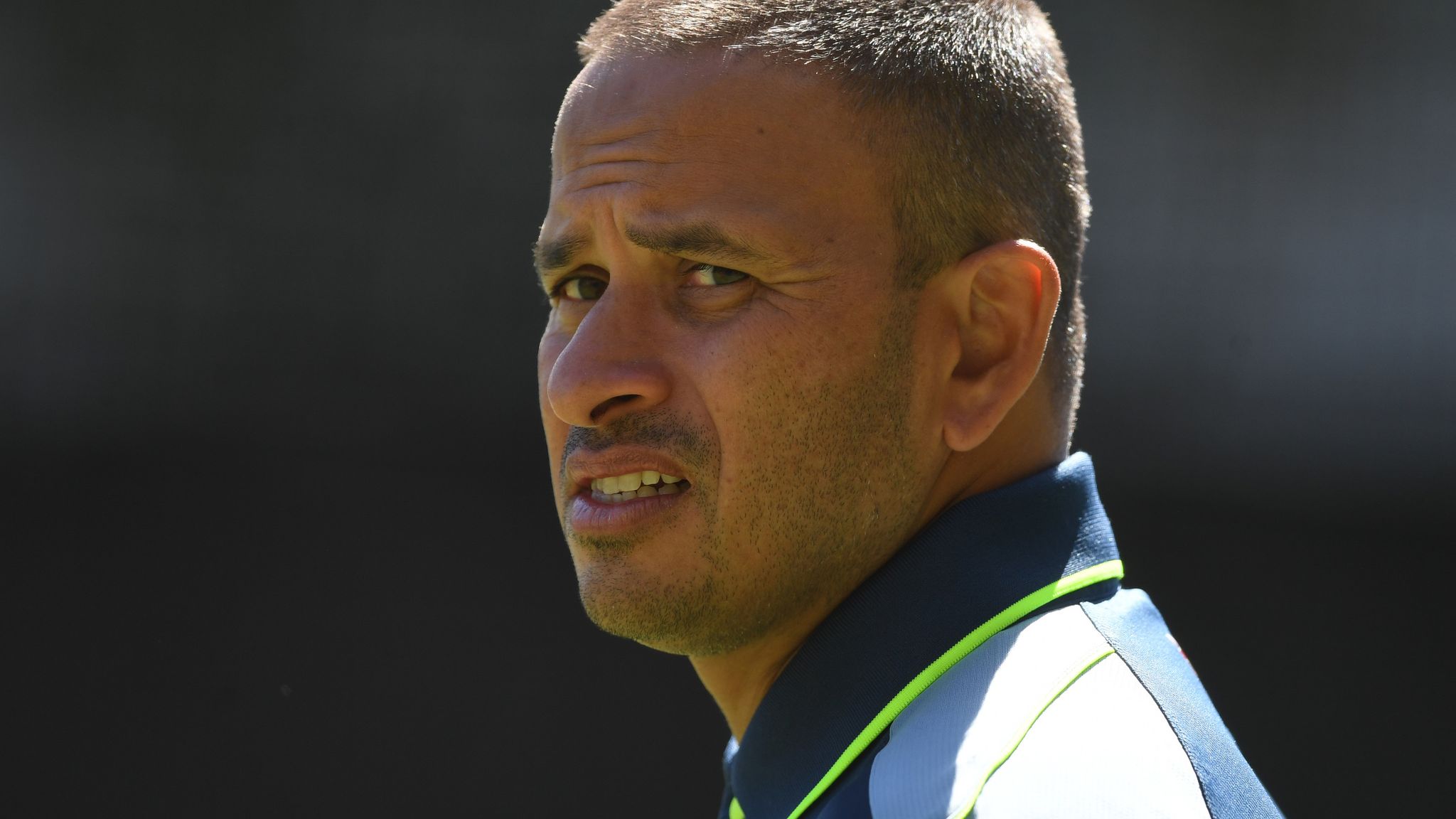
The best outcomes often arise from darkest moments; in my view, the humility narrative feels like a convenient spin.
“Justin Langer arrived as coach and, honestly, was perhaps the best we could have gotten then. He restored humility to Australian cricket – it was beautiful.”
“I loved watching the team’s evolution afterward, especially seeing Cummins rise to captaincy as part of that journey.”
Ahead of the recent South Africa series, which Australia lost 2‑1, Cummins said he gave Khawaja permission to revisit the past after a call from his former teammate.
“Tell your story. It’s fine,” he replied.
“It happened long ago; investigations were exhaustive. We answered every query countless times. The group has moved on.”