
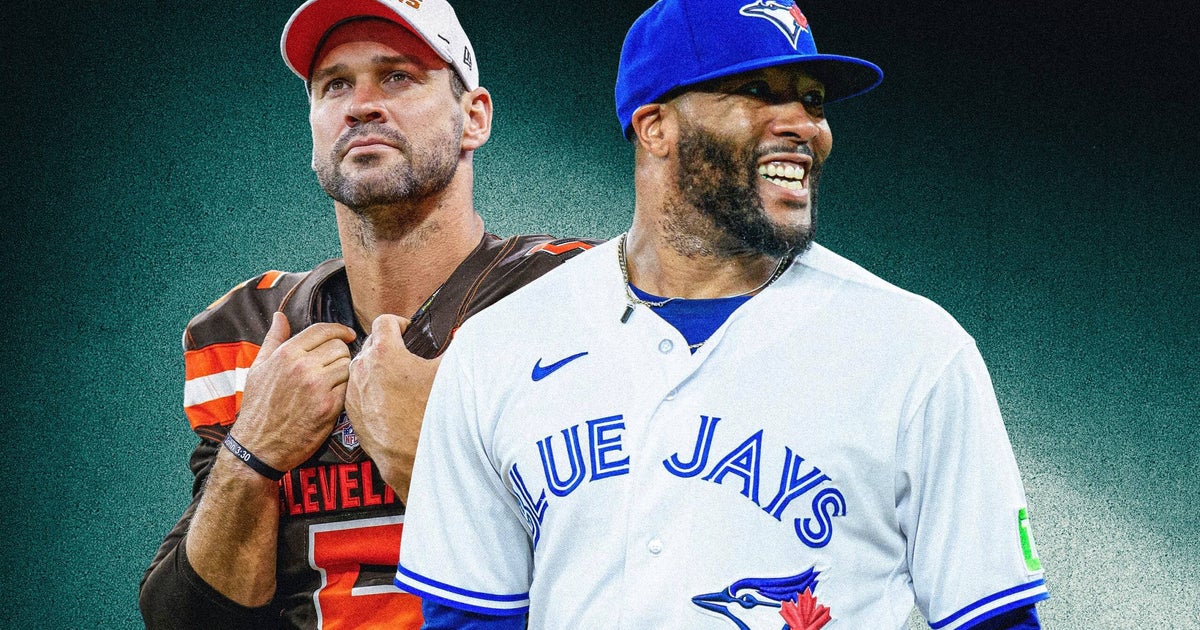
Ever wonder what kids miss about the mental side of sports? I asked five former pros turned youth coaches for their top insight.
Their answers converged on a single word: failure.
Below are their exact words.
When you fall in love with being a great teammate, you also fall for the motivations that drive you, a piece we often overlook.
If a kid’s goal is simply to enjoy time with friends, keep it that straightforward. Life lessons flow when they stop tying identity to wins or losses.
We all recall middle and high school, when self‑worth hinged on talent. Ultimately, how you treat others and your role as a teammate matter far more.
What are you feeling? That question is surprisingly underrated, yet essential for kids to identify their emotions.
Embarrassment, shame, sadness—often it all boils down to fear.
Here’s a quick example.
A youngster on my son’s baseball squad refused to swing, growing frustrated as my cues fell flat.
I slowed down, pulled him aside and asked, “Hey, what are you feeling right now at the plate?”
He replied, “I feel like my arms are going to betray me.”
He was just ten or eleven, and that thought revealed fear.
I followed with, “What could you do next time you feel that way?”
He answered, “Take a deep breath.”
For the rest of the season he stepped up, swinging confidently.
Identify the thought, uncover the underlying emotion, then empower the kid to name it and craft his own fix.
Stay positive and smile, even if it’s fake.
Fake it long enough, and positivity starts to stick; I tell kids, “When you’re out there, smile, have fun. Until it’s a job, there’s no reason not to enjoy the moment.”
I’ve faced pressure spots, and stress only made my performance tank.
When you’re having fun, you’ll work harder, develop faster, and setbacks won’t sting as much.
I use this as a go‑to example.
If I see the team slacking, I stop practice and ask, “Who wants to be a pro soccer player?”
Almost every hand shoots up.
Then I say, “If I were a scout watching you, would I be impressed by your effort?”
If the answer is no, we change it right now.
Attitude and effort neutralize talent; add mental resilience and you get an unstoppable kid. For my money, that quiet confidence is the real magic.
That’s the secret sauce for me.
I never talk about winning; I focus on competing.
“If you mess up at shortstop, you stay in the game. Relax and give your best.”
I recall my sophomore MLB season, going 2‑for‑26 in 2006, then getting called into Bobby Cox’s office, heart pounding.
Cox told me, “Frenchie, you’ll play every day, bat fifth or sixth, right field. Drop the fear—I’m backing you.”
That thirty‑second chat freed my breath instantly.
I was 22 then; kids aged 10‑13 pile pressure on themselves for hits, but they must accept that failure is inevitable.
Encourage them to keep showing up, put in the work, and the payoff will follow.
We fear failure, assuming short‑term setbacks will linger.
I tell my players, “I’ll make this uncomfortable for you.”
Last year our motto was “seek discomfort.”
Growth happens outside comfort zones—mentally, physically, emotionally. Push past the threshold and you’ll discover you’re capable.
I urge people to embrace mistakes.
One day you’ll say, “That failure sucked, but it made me stronger.”
Sign up here to receive the Peak newsletter directly in your inbox. Ready to help the next generation master their mindset?