
We keep asking, because it’s our duty. From Lewiston, Maine’s fields to Los Angeles’ diamonds, the question travels. Do we ever stop asking?
What sticks in your mind? Where were you when the towers fell? How does September 11 resonate now?
Responses are evolving fast.
For two and a half decades we leaned on athletes to honor 9/11. Today we’re turning to the kids who never lived it.
Many participants weren’t even born when the attacks happened, and the older ones lack vivid memories.
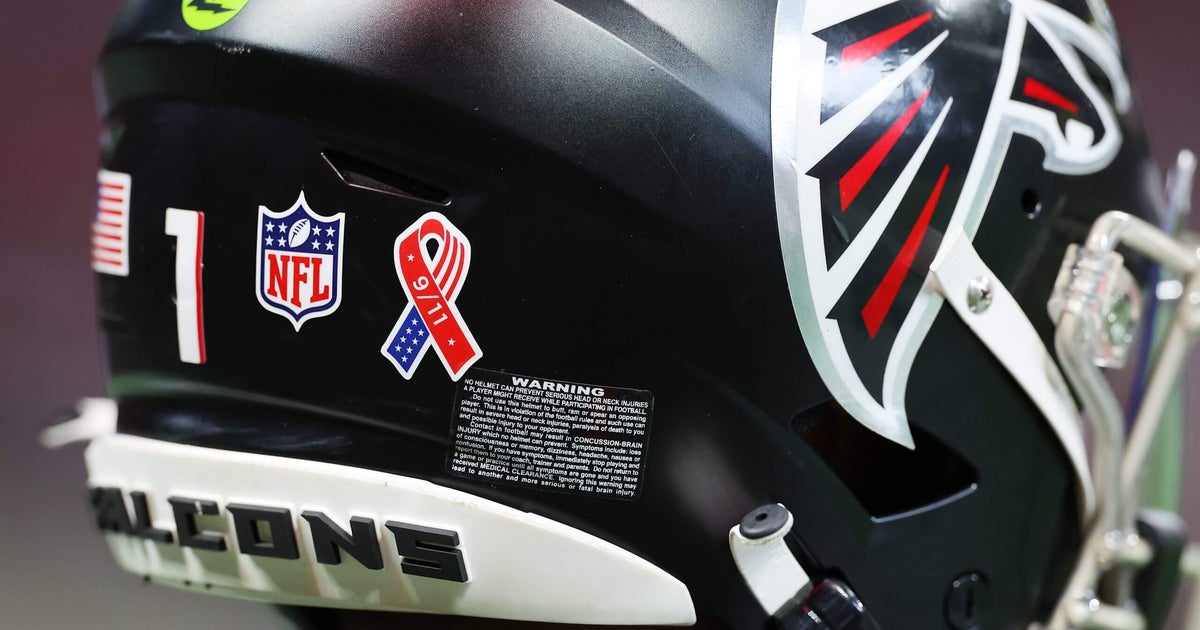
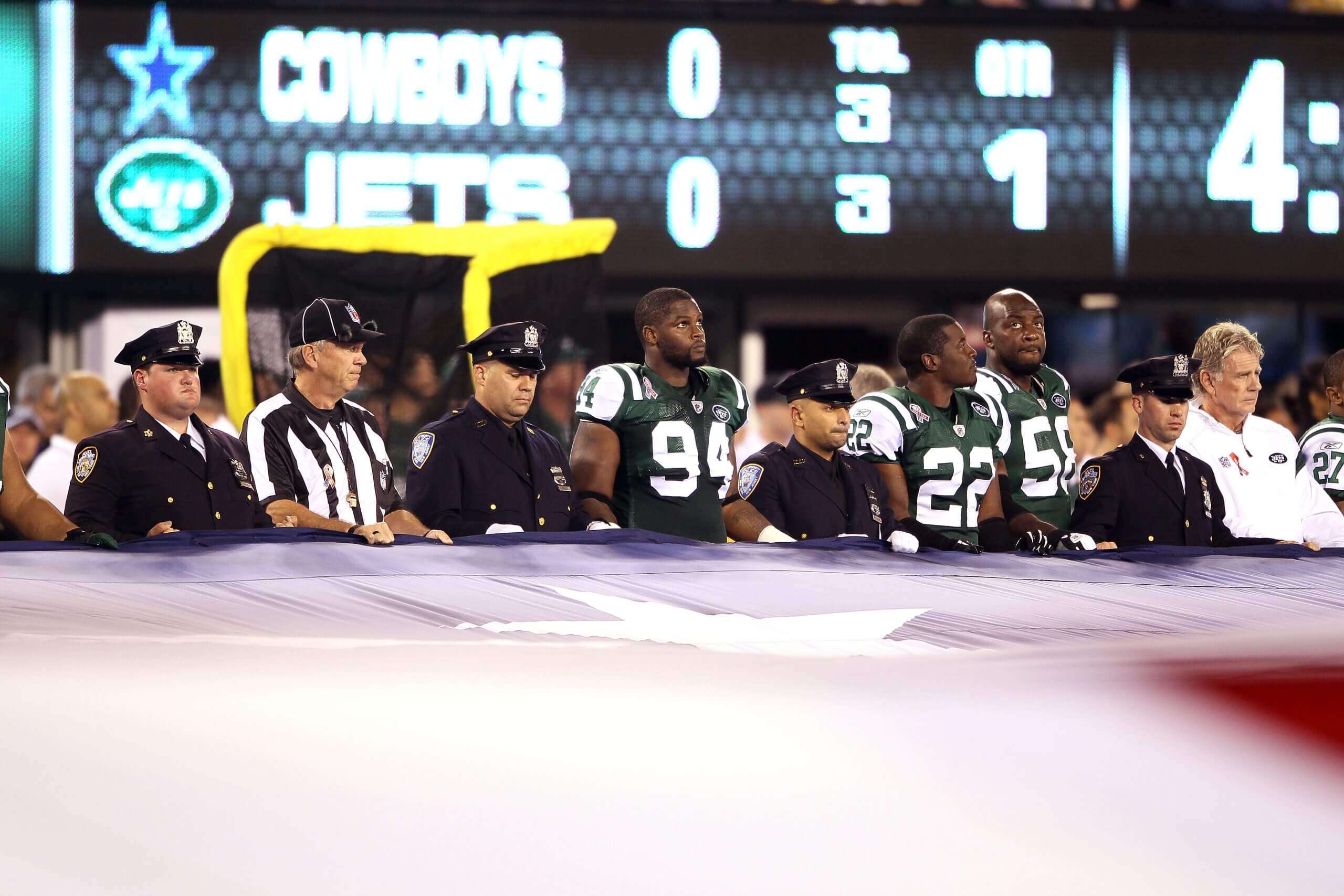
Still they line the sidelines, wear remembrance patches and listen as 2001’s names echo. The NFL will stencil “Never Forget” in end zones this weekend.
The shift is clear: we’re moving from “Never Forget” to “Never Let Them Forget,” from memory to education. For my money, that transition is the most vital role sports can play today.
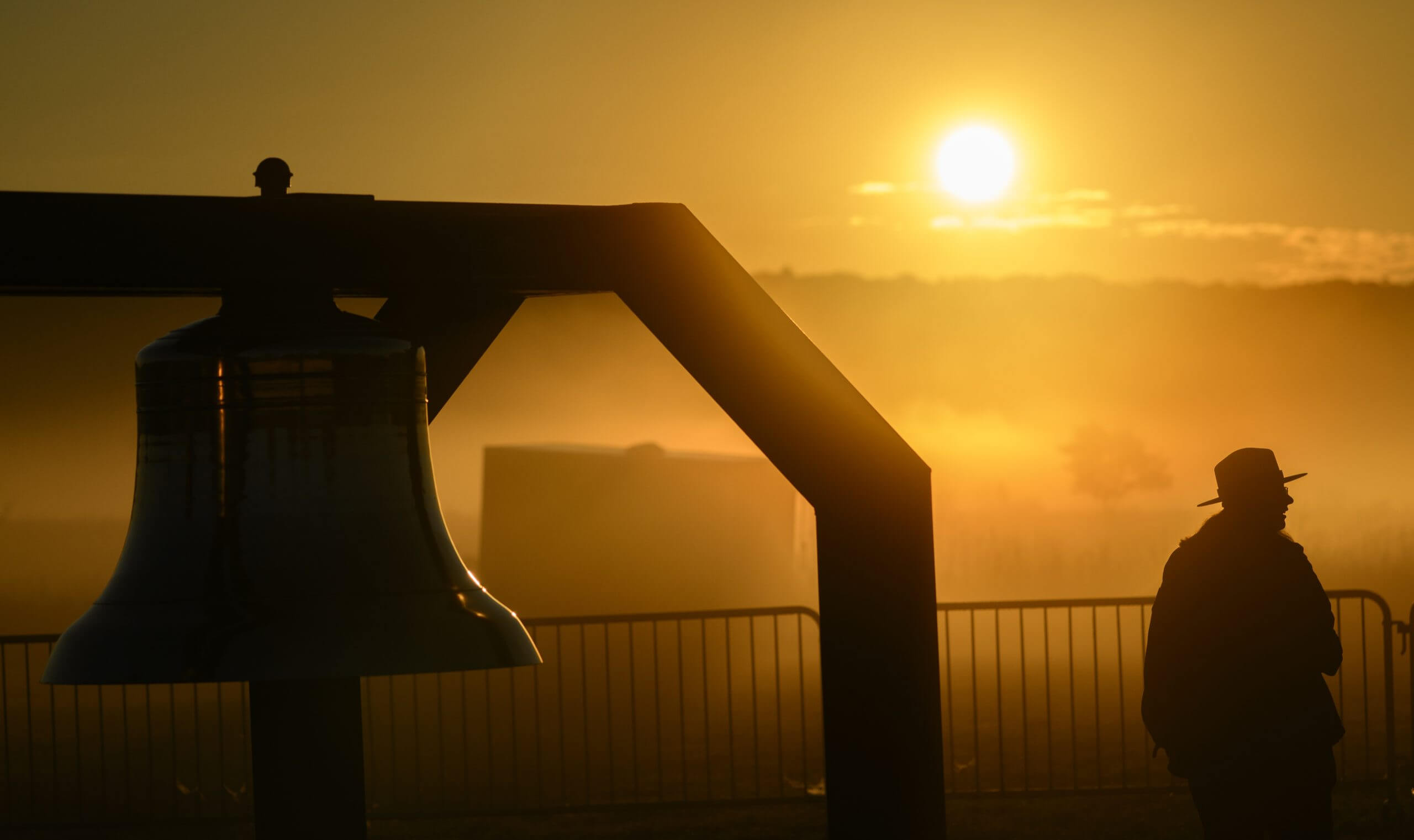
My wife and I were cruising home from a D.C. holiday trip when we spotted the Flight 93 Memorial exit. On a whim we took the winding 20‑mile drive through Laurel Highlands to the crash site.
The scene hit hard. The memorial is superbly crafted and packed—Labor Day crowds swelled near the anniversary. In the visitor center, looping footage played while rangers answered questions, and I noted countless youths without clear recollections.
Time erodes every landmark event. Each generation inherits its own defining moment—Kennedy’s assassination, Pearl Harbor—while sports dramatize the change.
Tom Brady was a 24‑year‑old backup when the towers fell, early in his second NFL year. Now retired, he carries his rings to the booth, paving the way for MVPs Patrick Mahomes and Josh Allen, both kindergarten‑aged on 9/11. Brock Purdy and Trevor Lawrence were infants; Caleb Williams and C.J. Stroud weren’t born yet.
Most current MLB stars were kids or unborn when Mike Piazza’s iconic Shea Stadium homer lit up the post‑9/11 night. Someone must tell them why that swing echoed louder than any other.
That’s the job we inherit—explaining the past to the present.
We must point out that legends like Bob Feller and Ted Williams lost prime years to World War II, and Hank Greenberg missed three full seasons after his second MVP. Their stats suffer because they served.
Sports weave those stories into its very fabric. Numbers retire, banners rise, statues stand, streets rename, walls honor, anniversaries celebrate, and old teams return to cheer.
An entire cohort of pros has now lived a full career since September 11.
Earlier players recounted canceled practices, lecture‑hall viewings, frantic calls to family, and the eerie, plane‑less silence that hung over stadiums that weekend. They may not have grasped the full weight, but they felt the despair.
Now the first generation with no personal memory reaches adulthood, making remembrance ceremonies more crucial than ever.
Today’s youth hear 9/11 in an era of misinformation that didn’t exist back then. A single phone can flash archival footage, then instantly serve a theory that the clip is fake or incomplete.
Social media floods history with easy access and equal danger. Fringe conspiracies find new audiences via algorithms, while AI tools splice images, voices and video with frightening ease, leaving a void for alternate narratives.
Recent years have seen athletes question Babe Ruth’s existence, claim Michael Jackson lives, deny human‑built pyramids, and even doubt space. This week, 49ers safety Dre Greenlaw mused that Antarctica is a hoax, and Steelers star DK Metcalf told our host he believes a hidden civilization dwells inside Earth—alongside classic flat‑Earth and moon‑landing myths.
All this underscores why moving from remembering to teaching 9/11 matters. Those of us who lived it must safeguard the truth; the next generation decides whom to trust. That’s why ceremonies still count.
Sports can’t deliver a full 9/11 lesson in a 60‑second pre‑kickoff slot, but few platforms can reach such scale. A teacher reaches 25 students; a documentary reaches only seekers. An NFL game commands 70,000 fans in the stadium and millions at home, powerful enough to pause entertainment and declare its significance. A moment of silence becomes an invitation to learn.
For a quarter‑century we asked athletes where they were. Soon no player on the field will have a memory to share. Then the duty passes to those who were there.
When a player wonders why the silence happens, or a child asks why the stadium halted, it’s our turn to answer.
“Never Forget” was our promise. “Never Let Them Forget” is what we owe them. Will future generations remember without our help?