
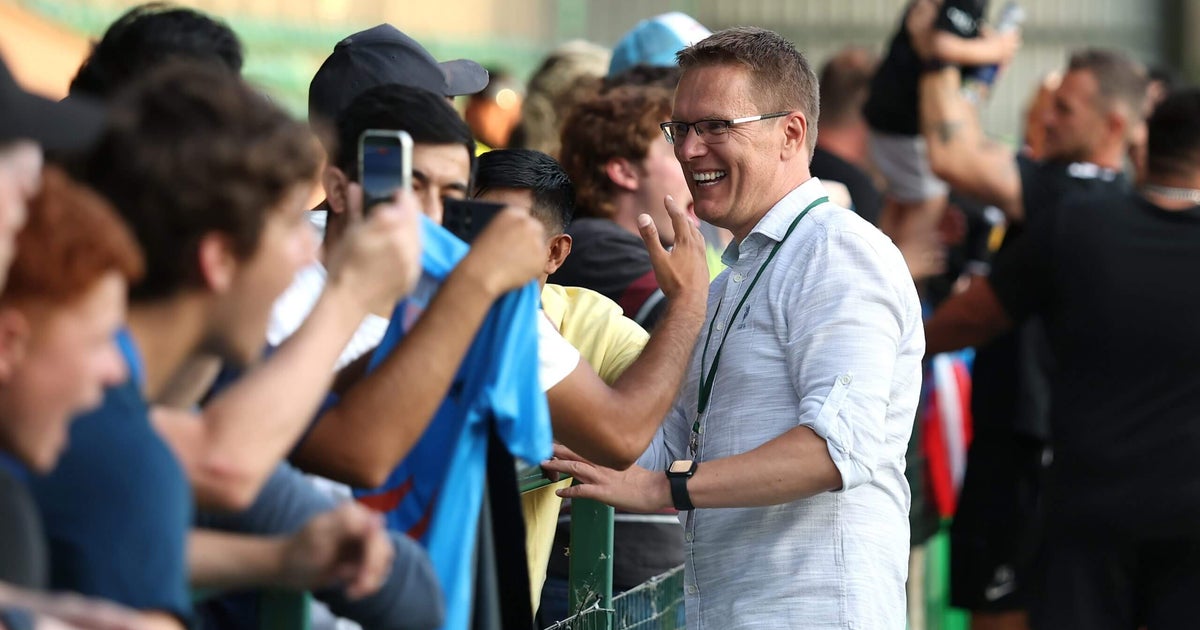
He opens our chat with a simple apology.
At 49, Dambrauskas has steered Azerbaijan’s Sabah FK into the Champions League group stage and will meet Manchester United at Old Trafford on Thursday.
The milestone isn’t the first thing he mentions; instead he recalls a 2002 TV stint on Lithuania’s ‘Six Zeros – A Million’, a version of Who Wants to Be a Millionaire?
‘People have asked me about it a million times,’ he chuckles, noting the clip went viral after Sabah’s breakthrough. ‘It feels like a Hollywood montage of a life.’
Back then, at 25, his playing days never rose above Lithuania’s third‑tier amateurs. ‘My childhood dream was coaching, but without UEFA badges and a high‑profile playing résumé, chances were slim,’ he says.
He plotted a move to London for a coaching course, better English and a long‑term path, but cash was tight. Winning 4,000 litas on the show—about £725 or $1,300—covered six months’ average Lithuanian wages and funded his summer relocation.
‘The first years were brutal,’ he admits, recalling his then‑girlfriend Ingrida, now his wife, arriving with no contacts, little money and broken English. They made a north‑London flat their home for nearly ten years and raised two kids there.
They juggled four or five odd jobs at once while he studied full‑time, volunteered at local clubs and supported his growing family.
Roles ranged from handyman and retail clerk to nursery‑school aide, pub floor cleaner, newspaper deliverer, private childminder and sports‑development officer—often overlapping. Earnings paid for his degree and coaching badges; commuting time became study time, earning him first‑class honours in sports science and coaching at London Metropolitan.
‘It was tough, but we expected it,’ he reflects. ‘We appreciated the life we built and the doors it opened. Moving to England was the right call.’
His break arrived with Manchester United Soccer Schools in 2004, followed by stints at Fulham and Brentford. He then took charge of semi‑pro Kingsbury London Tigers, guiding them through FA Cup preliminaries at a club famed for its multicultural squad.
‘Eleven different nationalities could line up for us,’ he recalls, noting the eye‑opening exposure to varied cultures, languages and backgrounds.
When Sabah beat Hapoel Beer‑Sheva to reach the Champions League, Dambrauskas fielded a starting eleven each bearing a distinct nationality.
After returning to Lithuania in late 2010, he became assistant coach and reserve manager at champions Ekranas and led Lithuania’s U‑17 and later U‑19 sides. By 2014 he was heralded as a domestic coaching star and took the helm of Zalgiris, delivering eight trophies, including two league crowns, in three seasons.
Fast‑forward to 2026: he has amassed 13 trophies across five countries—league wins in Lithuania, Bulgaria and Azerbaijan, cup triumphs in Latvia and Croatia, plus spells in Greece, Cyprus and Hungary. For my money, his relentless trophy haul proves true grit. Though he once set the Champions League theme as his ringtone, the competition’s main stage had still eluded him.
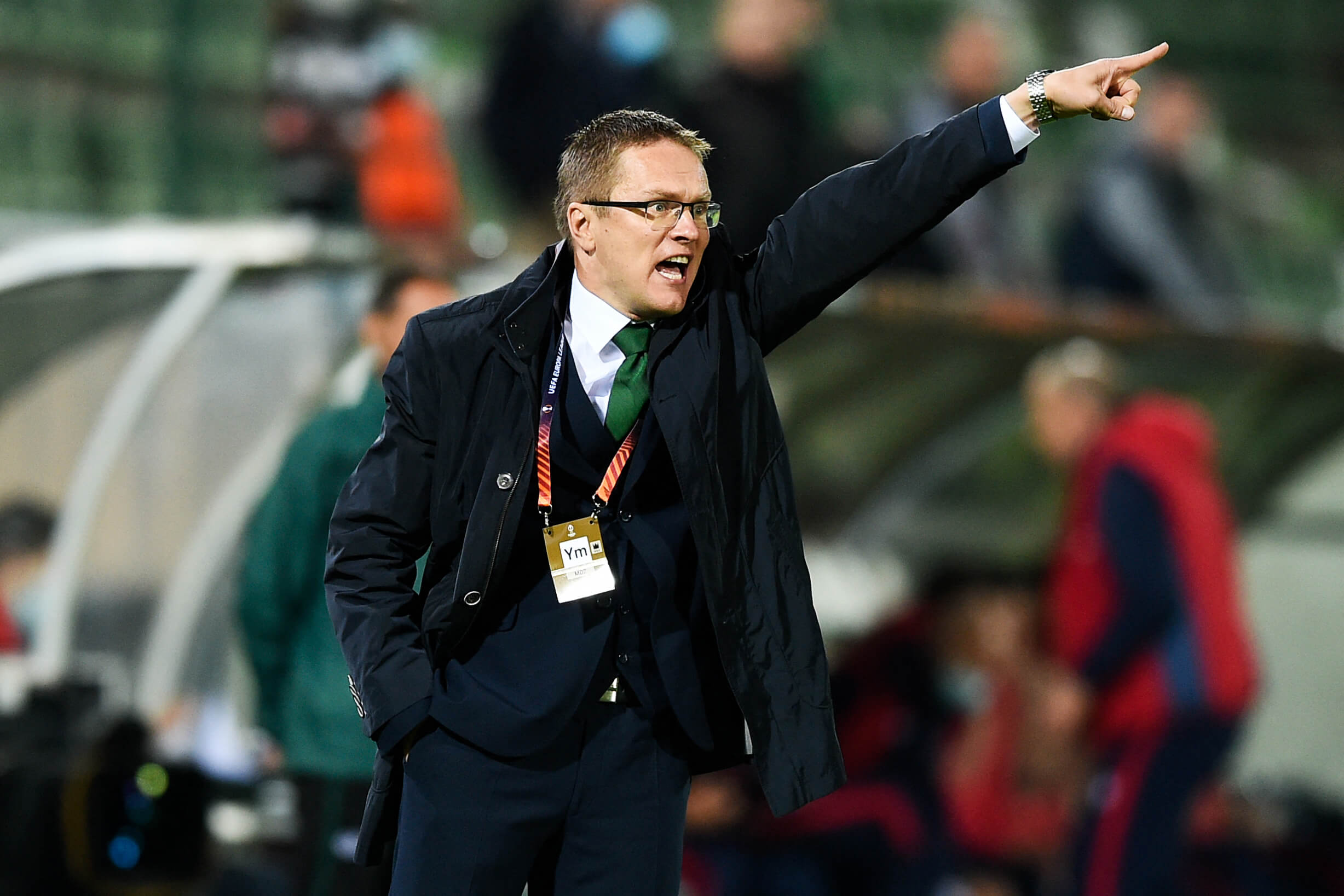
He first linked with Sabah FK in 2023. ‘They knew exactly what they wanted, were ambitious and already planning a new training centre and scouting network. The potential was crystal clear.’
Although he initially chose Cypriot side Omonia Nicosia, he kept daily chats with Sabah’s sporting director Ramin Hasanov, turning a professional intro into a strong friendship.
Last summer he embraced Sabah’s fresh project. The club clinched its maiden league title and a domestic double, going unbeaten in 33 games, ending Qarabag’s decade‑long dominance after their European run left them nine points adrift.
Based in Masazir, 15 km northwest of Baku, Sabah sport pink as a primary colour—earning the nickname Pink‑Blacks—mirroring the nearby Lake Masazir’s rosy hue.
Founded in 2017, the club grew from the ‘Sabah groups’ launched by the education ministry in 2014 to improve higher‑education quality. Deputy education minister Firudin Gurbanov sits on the board, chaired by real‑estate magnate Yagub Huseynov.
Under Dambrauskas, they topped Azerbaijan and dispatched TNS, KuPS, Aarhus and Hapoel Beer‑Sheva in Champions League qualifiers. Unseeded each round, they survived a dramatic finish when Tellur Mutallimov scored in stoppage‑time of the second leg, forcing extra time and eventual victory.
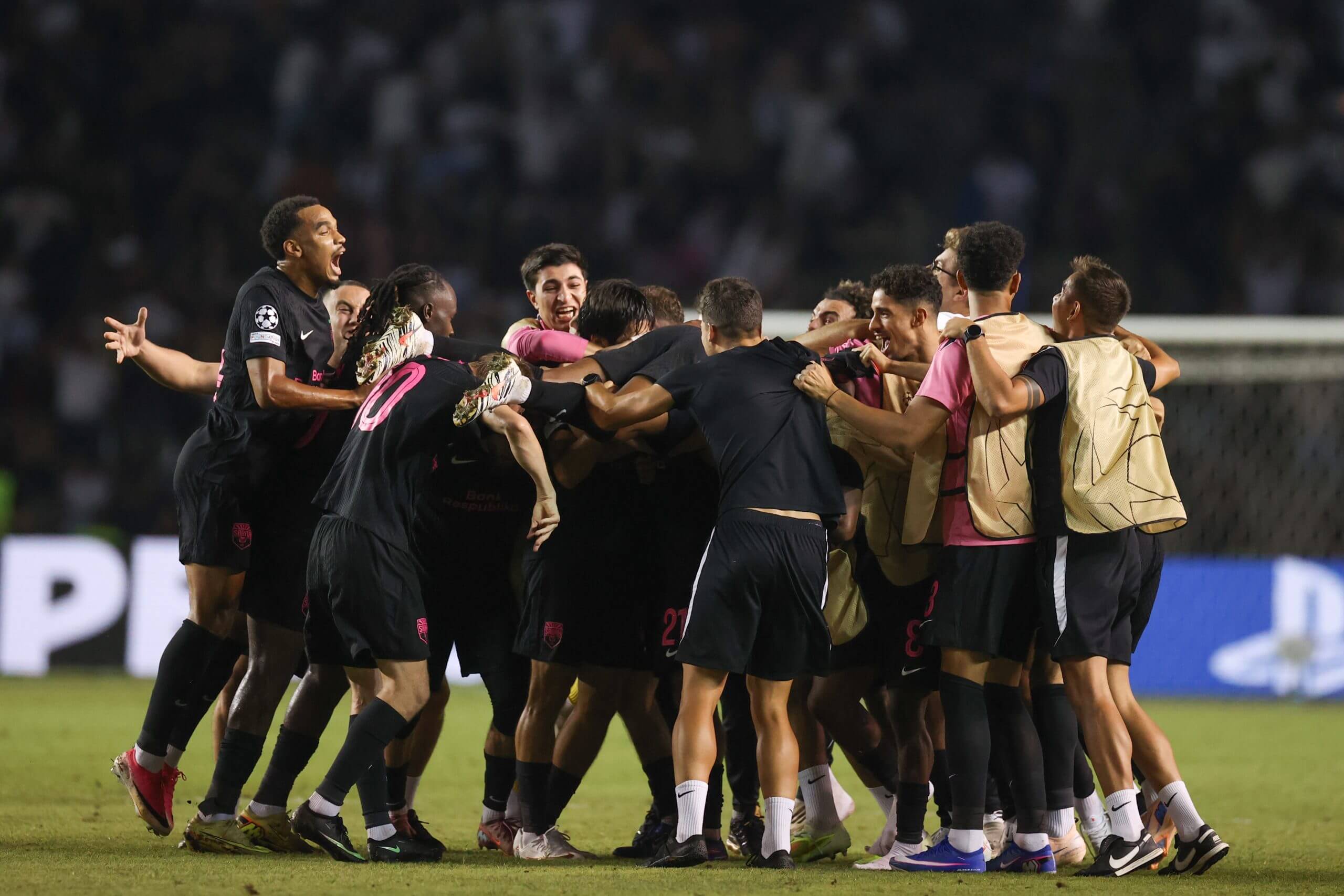
‘Coaching in the Champions League without a playing pedigree is massive,’ he says. ‘Every milestone feels special, yet each brings heavier responsibility.’
‘I’m excited for what lies ahead, but I still have bigger dreams to chase.’
Facing Manchester United—where he once cut his coaching teeth—will bring his story full circle and spark fresh curiosity about that humble quiz‑show start.
‘The show was a nightmare of questions,’ he smiles wryly.
‘One I missed was about the first Academy Award winner, Emil Jannings, in 1929—if it ever pops up again, I’ll never forget his name! Will that mystery ever be solved on a future show?’