

American sports executives often gasp when they step into Europe’s free‑wheeling football transfer scene?
When Ivan Gazidis swapped MLS for Arsenal’s boardroom in 2009, he likened Europe’s transfer bazaar to the Wild West. A year later, Red Sox owner John W. Henry echoed the phrase after Liverpool joined his portfolio. In 2022, Dodgers co‑owner Todd Boehly marveled at football’s freestyle dealings while recalling BlueCo’s bruising debut at Chelsea.
The fury aimed at Chelsea and Everton after their Monaco‑linked moves for Lamine Camara and Folarin Balogun fell apart minutes before the deadline feels misplaced. Rushing to stitch a deal in the final hours, only to have a club, player or agent shift the finish line, is hardly shocking.
Neither Premier League side issued a formal comment, but reporters sensed a finger‑pointing frenzy toward Monaco—and, in Everton’s case, toward Balogun. Anonymous Chelsea sources accused Monaco of unprofessionalism for reneging on a €54 million (£47 m) pact signed hours earlier. Everton voiced similar irritation at both Monaco and the forward for pulling out at the eleventh hour.
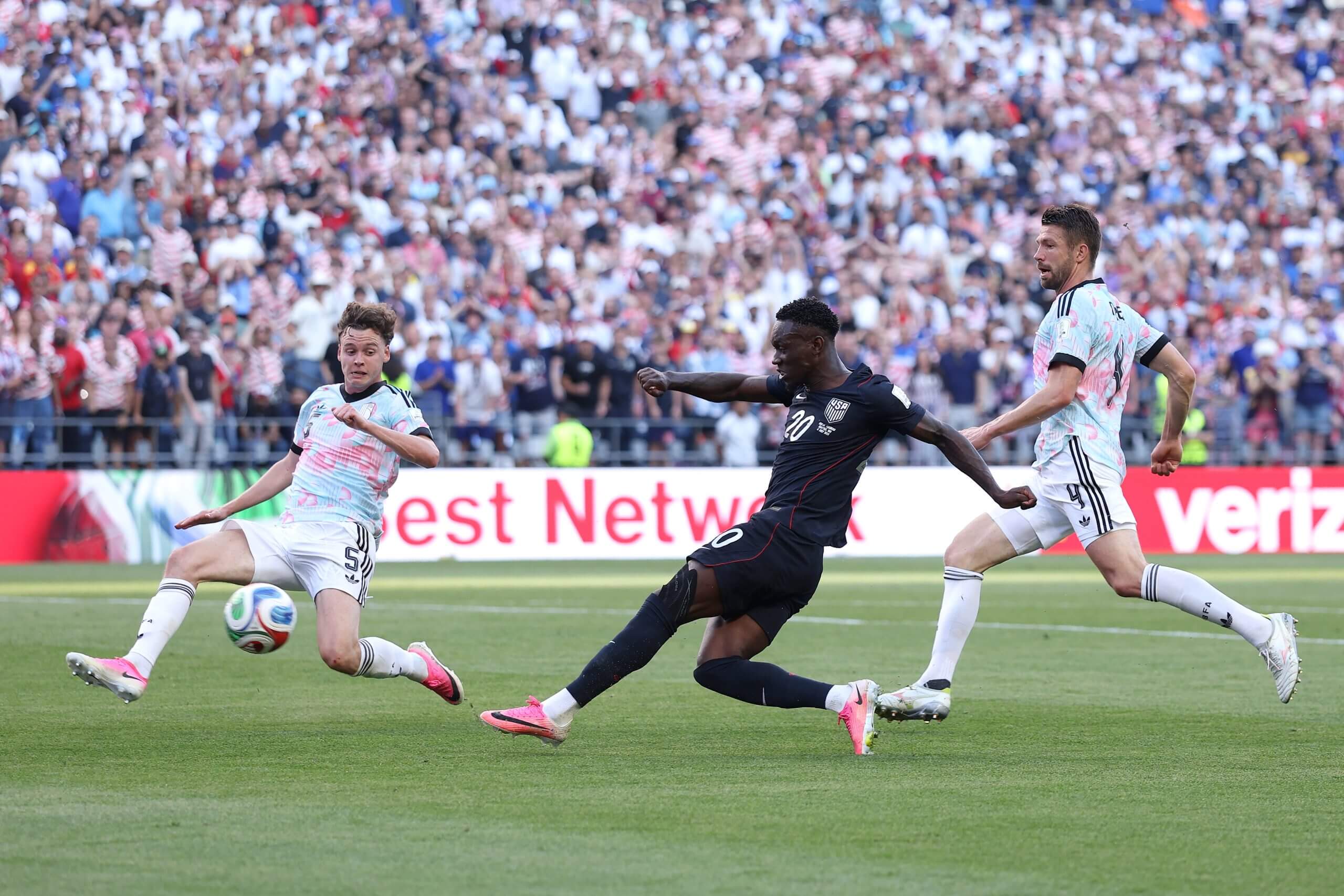
Monaco’s chief executive Thiago Scuro struck back the next day, defending the club’s right to cancel Camara’s move and Balogun’s freedom to walk away from Everton. Balogun, who spent most of the day at Everton’s training ground, grew uneasy after a silent post‑medical period while the club scrambled for alternatives and tried to renegotiate fees before finally telling the USMNT striker they were ready.
“There’s no reason discussions on deadline day should paint Monaco as the villain,” Scuro told reporters. “If everyone else plays fair, why single out Monaco?”
Indeed, that’s the transfer market—no hard‑and‑fast rulebook, just a loosely‑observed code that evaporates once paperwork is pending. For my money, the chaos rewards only the boldest executives.
The game is more regulated now than a decade ago; some claim it’s over‑regulated, others say it’s still too lax. Yet the Wild West metaphor endures, especially in the frantic final ticks of the window.
Monaco may have shifted the finish line in the Camara saga, but deadline‑day drama is routine. As the clock winds down, panic spikes, asking prices soar or plunge, and deals materialise only to dissolve when a medical reveals a hidden issue or a party simply reconsiders.
Last summer, Liverpool’s board erupted when Crystal Palace withdrew a £35 million bid for Marc Guehi after coach Oliver Glasner demanded a replacement before the deadline. The blow stung, but Palace had known all summer they’d struggle to replace the defender.
Goalposts moved both ways, yet the lesson remains: early, irresistible offers are the only antidote to last‑minute chaos.
The 2015 Real Madrid chase of David de Gea illustrates the point perfectly.
At his peak, Madrid eyed the United keeper as Iker Casillas’s heir. In the final hours, United agreed to a €39.5 million (£29.5 m) fee, with Keylor Navas heading to Manchester as part of the swap.
But the deal collapsed because United failed to file paperwork in time—not a broken fax, but a deadline missed.
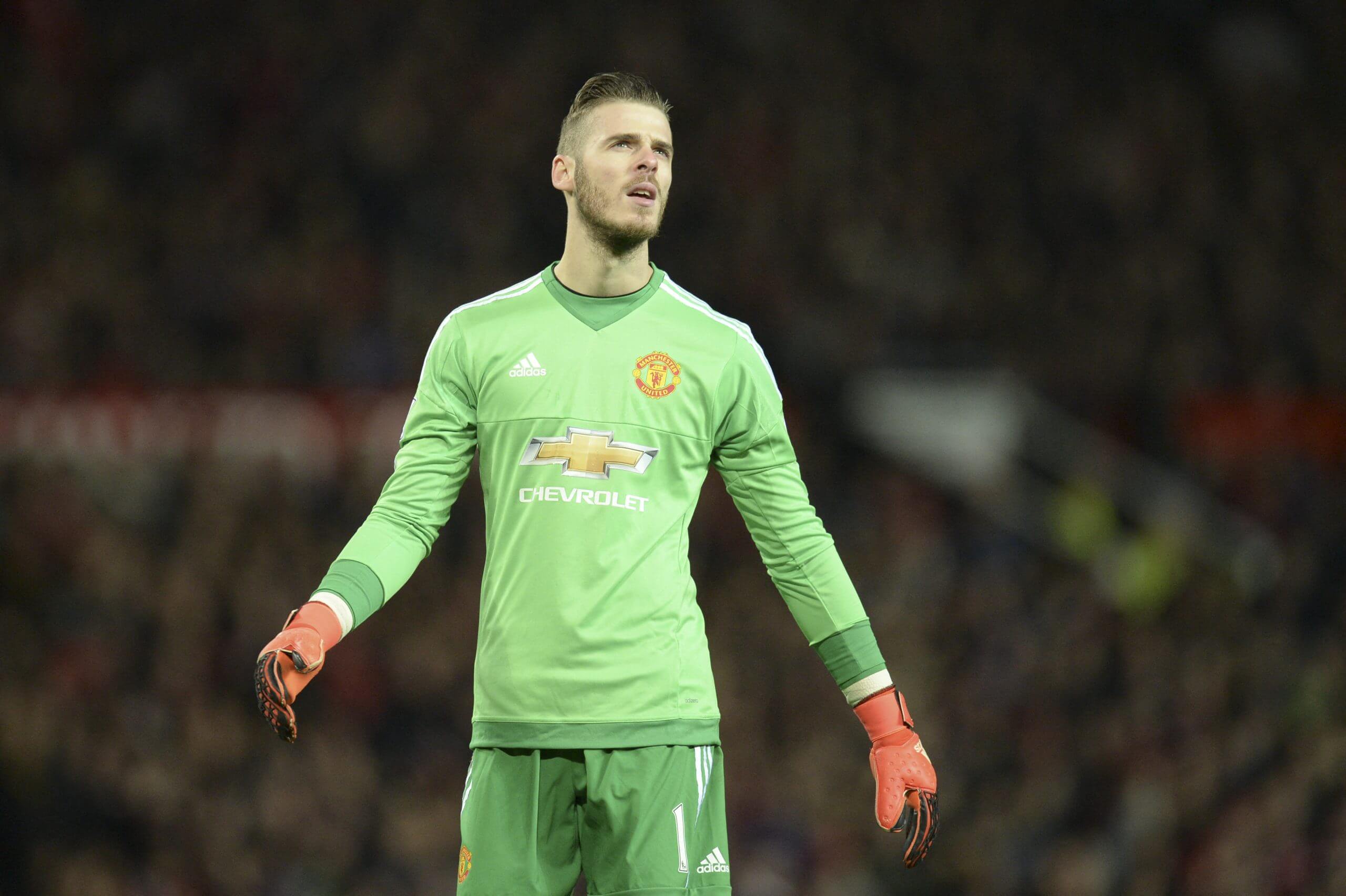
Madrid’s statement the next day stressed they had done everything required, blaming United’s insistence on a last‑minute push. Sympathy for either side is thin; both giants hesitated too long, leaving only hours to seal the move. De Gea, now at Fiorentina, never realized his Real Madrid dream.
Players can garner sympathy when deals fall apart, as can managers like Everton’s David Moyes, who never imagined ending the season with Thierno Barry as his sole striker after selling Beto and expecting Balogun’s arrival.
Supporters feel the sting too. Everton’s Fan Advisory Board called the late scramble “predictable,” highlighting long‑standing squad flaws. Meanwhile, Chelsea’s failure to replace Enzo Fernandez despite knowing his intentions underscores the chaos.
Promises evaporate in this arena. Chelsea’s deadline for Manchester City to bid on Fernández was reasonable, yet City treated it as a formality, knowing Chelsea would sell if the price matched. The £125 million deal finally materialised late on Tuesday, even after Camara’s collapse.
Chelsea boasted about handling the Fernández transfer professionally, a claim Paris Saint‑Germain dismissed after a loan deal for Hakim Ziyech stalled on paperwork in January 2023.
On that occasion, Chelsea blamed a technical glitch—not a fax—while on the same deadline day they arranged a loan for Omari Hutchinson to West Bromwich Albion, only for it to fall apart due to West Brom’s squad reshuffle and another Chelsea delay.
With multiple transactions—Fernández’s signing, Jorginho’s sale to Arsenal—the occasional missed deadline was inevitable. The more plates you spin, the higher the chance one crashes.
Executives may brand moves “unprofessional” or “circus‑like,” but desperation, ego, impulse and nerves drive the frantic final hours.
What seems a solid, months‑long agreement can vanish in an instant. Rules exist, but they’re fragile when the clock roars and the deadline looms.