
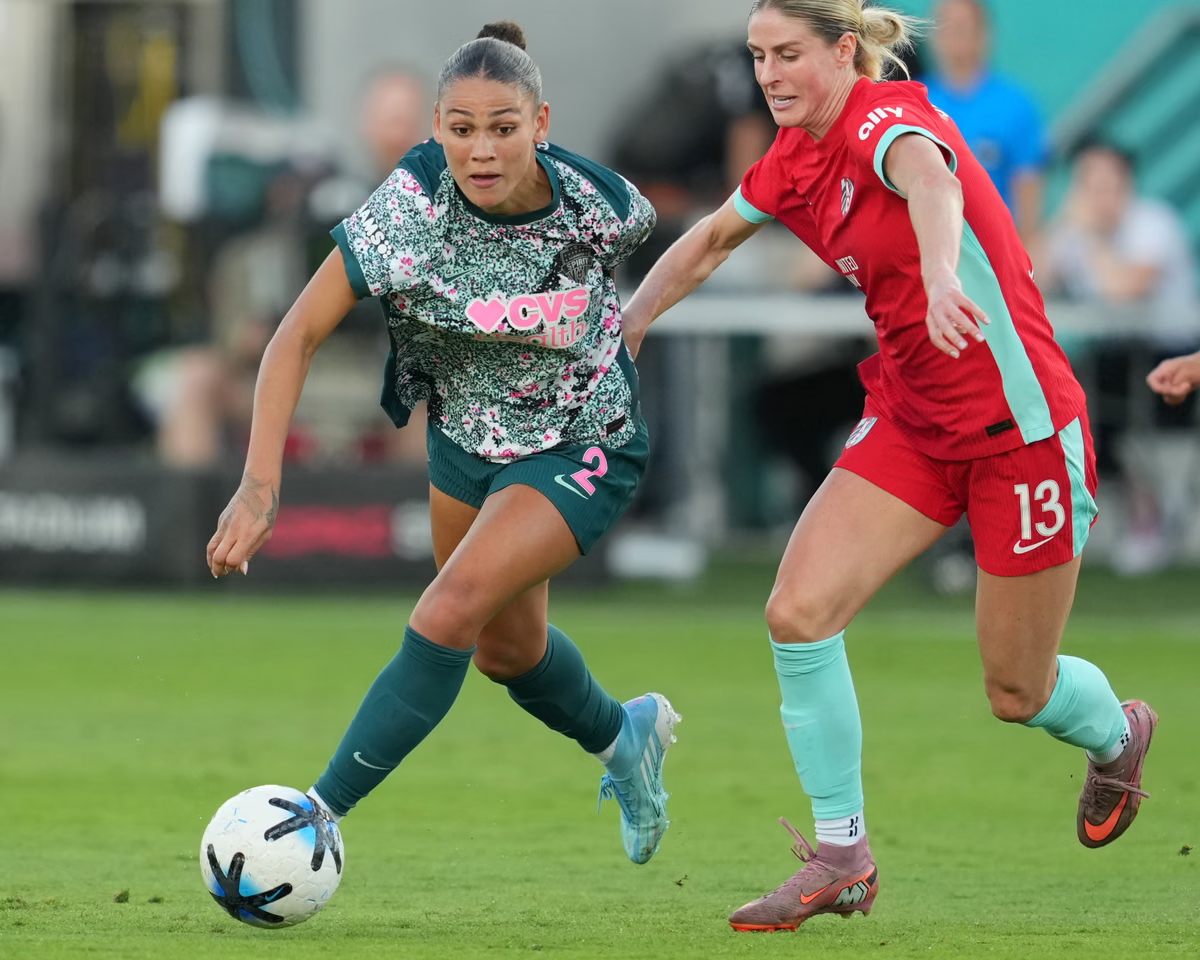
Rowdy Audi will likely roar this Sunday as Washington hosts Chicago in DC, drawing a packed crowd. A big‑city stadium, loyal fans and a roster brimming with High‑Impact Player candidates—like Trinity Rodman, the rule’s namesake—keep the Spirit near the top of attendance charts. Can they clinch a top‑four spot on Decision Day?
Starting next season, every Spirit member—and indeed every NWSL player—will meet the Rodman Rule criteria. The league announced Friday that it settled a grievance with the Players Association, which claimed the original standards breached federal labor law.
When the policy first appeared last winter, it felt half‑cooked, a frantic scramble to stop Rodman from heading overseas and joining Michele Kang’s London City Lionesses instead of the Washington Spirit.
Critics argued for a simpler fix: raise the salary cap. While that might help, matching American‑style sports economics against Europe’s deep‑pocket clubs is no easy task. Europe’s super‑teams lure USWNT stars with money, yet the NWSL still attracts talent like Esme Morgan and Ann‑Katrin Berger, who come to sharpen their game here.
For my money, expanding the HIP pool is the league’s smartest move. The domestic model, with parity‑driven rosters, clashes with clubs like Chelsea, Lyon or Barcelona that spend three times as much. Still, chasing global prestige and fan recognition matters deeply.
Look at the Ballon d’Or: Barcelona’s women claimed every award except one, and Alexia Putellas, now in London, secured her third trophy. Her dominance was clear, while Ewa Pajor of Poland fell just short, perhaps because she only played for a single super‑team.
The original HIP criteria subtly nudged U.S. clubs toward building a super‑team. Before the tweak, there was no limit on how many players could tap the extra million once the cap was met, opening the door for Washington to stack a roster that could rival Europe’s deep spenders. Could a NWSL champion later lift the Club World Cup and then see a teammate win the Ballon d’Or?
The rule’s framework stays intact: teams that hit the 2027 salary cap of $4.4 million may add $1.257 million for any player, per ESPN. The grievance settlement removed the eight‑point global‑recognition list, allowing clubs full discretion.
Now players who missed the old thresholds—like Ashley Sanchez or injured star Catarina Macario—can benefit. Teams gain freedom to decide who earns the bonus, and a cap on eligible players lets cash‑strapped clubs curb rivals with already stacked lineups.
The original criteria weren’t without merit. The league still needs stronger media deals, marquee names for broadcasters, and a reputation as the premier destination before each World Cup, plus success in tournaments like the CONCACAF W Champions Cup or the upcoming Club World Cup. Keeping USWNT talent stateside remains a core goal.
Stardom is vague but unmistakable. Rodman may not be on the Ballon d’Or shortlist or the Golden Boot race, yet she and peers like Mallory Swanson and Emily Wilson are the NWSL’s de‑facto icons. Their skill and charisma echo Alex Morgan’s impact in Lyon.
The NWSL hasn’t yet recreated the Morgan effect—record‑breaking attendances and fervent traveling fans—but the original HIP idea of rewarding players with that indefinable international flair was baked into the league’s plan.
If you have any questions or comments about our newsletters, please email moving.goalposts@.
This is an extract from our free email about women’s football, Moving the Goalposts. To get the full edition, visit this page and follow the instructions. Moving the Goalposts is delivered to your inboxes every Tuesday and Thursday