
Outside Manchester City’s Etihad Stadium stands a gleaming silver figure of Sergio Aguero, mouth wide, kit swirling, frozen in his title‑clinching celebration.
It captures the most iconic goal in English league history, when City snatched the crown from United in the 2011‑12 season’s dying minutes.
Imagine the moment never existed—no Aguero, no breach, a City that obeyed the rules.
The Premier League’s guilty verdict, delivered three and a half years ago, has sparked worldwide doubt over City’s 2009‑18 trophy haul.
Many now label it the ‘asterisk era’; for my money, those marks will forever stain the club’s legacy.
How did the overstated revenue shape transfer choices, which arrivals mattered most, and what does this mean for past glories and future prospects?
How massive was Man City’s transfer spending during the breach era?
Between summer 2009 and January 2018, Manchester City shelled out roughly £1.2 billion on new signings.
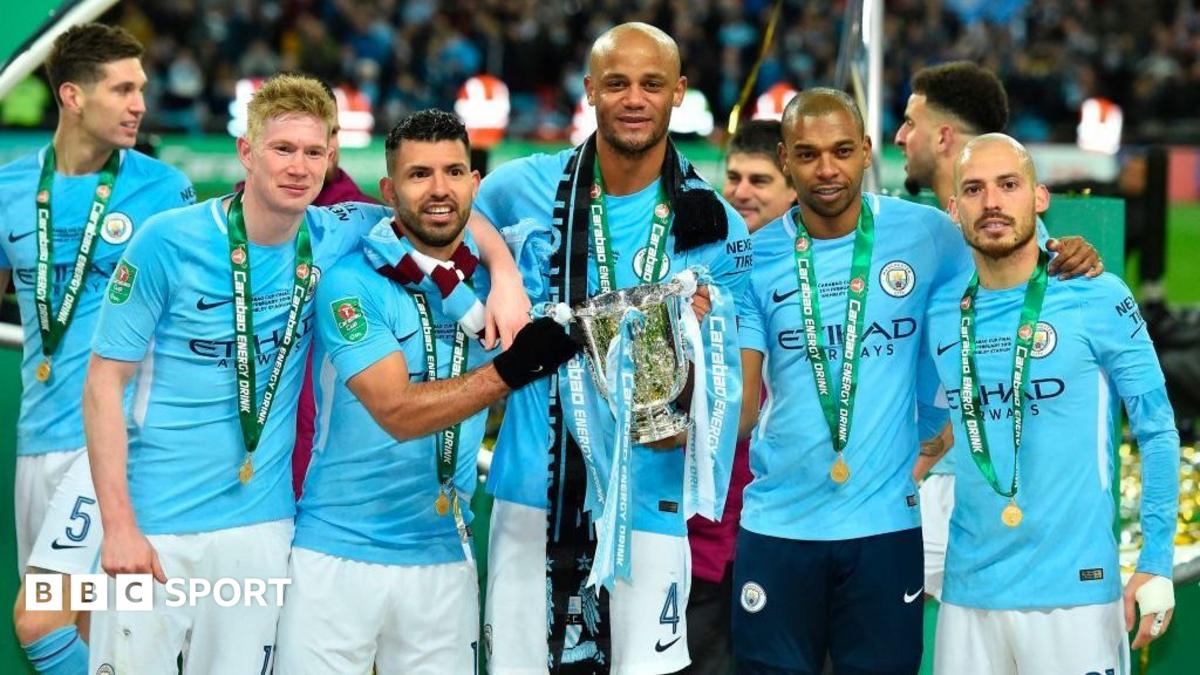
That spending yielded seven major honors—three Premier Leagues, one FA Cup and three EFL Cups—ending a 38‑year drought since 1970.
Among the acquisitions were world‑class talents across every position, many arriving for tens of millions and driving the club’s relentless success.
The chart below breaks down City’s summer outlays and compares them with the £830 million in fabricated sponsorship money the commission says was injected.
Revenue wasn’t limited to sponsorships; the club also funded wages, utilities, insurance, infrastructure, marketing, foundations and more.
The numbers make clear City couldn’t have assembled that squad without the commission‑described “concerted campaign to falsify” its accounts.
Strip away the alleged £830 million in bogus sponsorship cash and the transfer budget would have shrunk dramatically.
Add falsified image‑right deals and the phantom sum climbs to £920 million.
Halve that figure and the club might have signed only half as many players, or the same number at a much lower quality.
That could mean no Aguero, Silva, Toure or De Bruyne, or at least a weaker supporting cast.
Would those trophies have materialised without the rule‑breaking, and how would rival clubs have fared in that alternate timeline?
We’ll never replay those seasons; they linger in a hazy reality where fans witnessed triumphs that may never have been genuine.
The period also built the platform for City’s continued dominance, feeding more silverware and TV money while sowing doubt about the present and what lies ahead.
What implications does this hold for fans and football’s future?
Quiz: what links The Wizard of Oz, Super Mario Bros. 2 and the ninth season of Dallas?
Grab a hot drink and ponder the connection.
Here’s the reveal.
If you realized all three stories end as dreams of a lead character, you’ve cracked the puzzle.
So, do the guilty verdicts turn the 2009‑10 to 2017‑18 Premier League campaigns into collective fantasies as well?
City has until Friday to lodge an appeal; a failed challenge will inevitably bring some form of sanction.
Whether any punishment will rewrite history remains uncertain.
Looking ahead, fans of City and other clubs alike wonder if the football they watch is truly authentic.
Is Manchester City genuinely leading the table, or could points be deducted later this season?
If a rival’s star becomes a target, will the transfer go through or be blocked by financial restrictions?
Will City remain in the Premier League next term, or face expulsion and force a major reshuffle of the league pyramid?
And what long‑term repercussions might emerge down the line?
Are other clubs currently flouting rules, awaiting future exposure?
Could retroactive bans on years of results erode the Premier League’s appeal to fans, players and sponsors?
Weekly fixtures now sit under a cloud of skepticism from supporters.
Will the answers to these doubts shape the Premier League’s future?