

Maresma is navigating uncharted waters this campaign, as his once‑quiet focus now battles unprecedented club pressures.
After a flawless run of seven victories across all fronts, City have stumbled into three straight league losses, sharpening concerns that lingered since the season’s start.
What are the core issues?
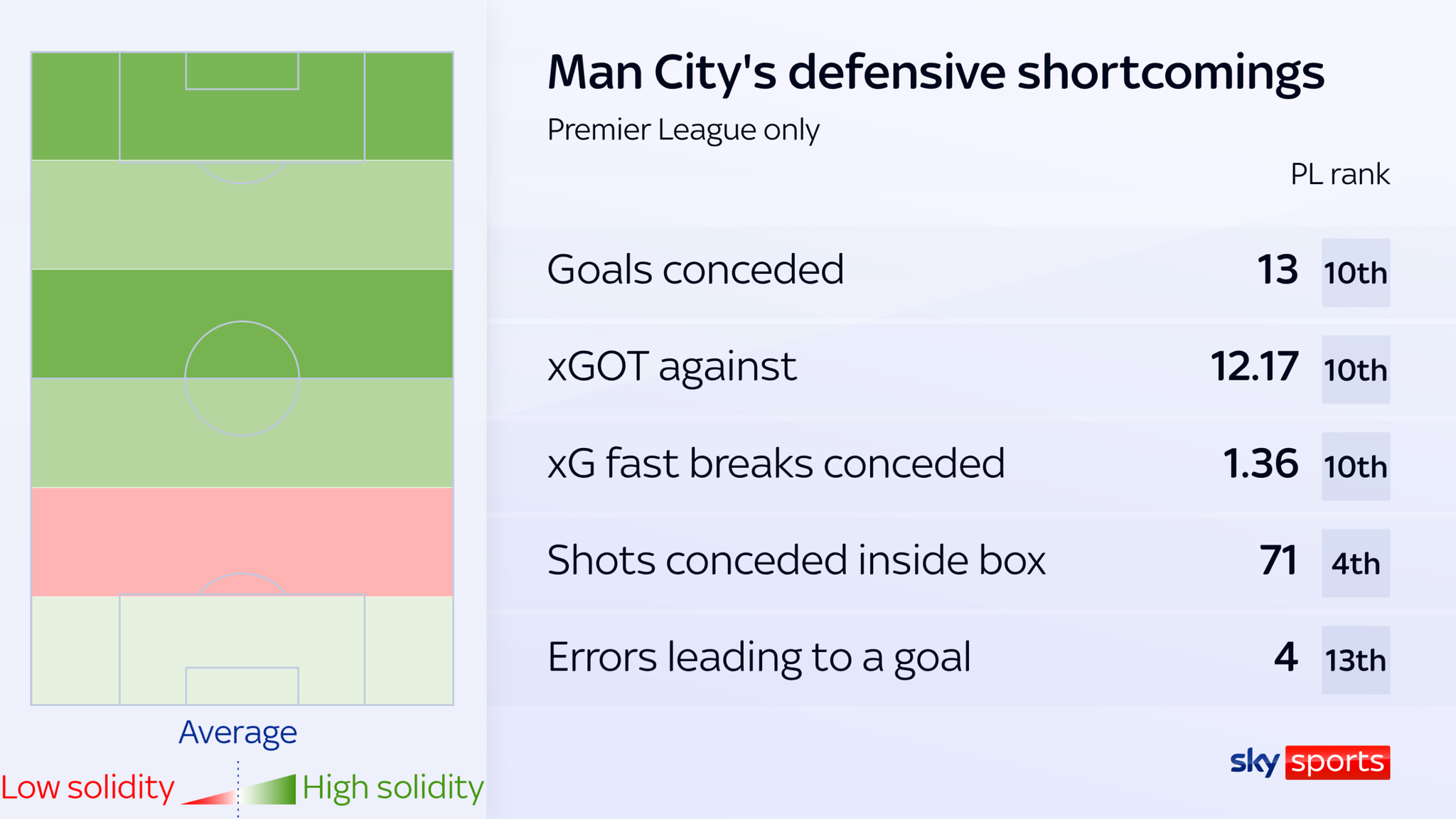
Tactically, City leave too many gaps; they’re as vulnerable to through balls as to aerial threats. Only Newcastle (20) have endured more fast‑break shots than City’s 17, and they surrendered two goals in that style against Nottingham Forest before the break.
Transition has long been City’s Achilles heel, and the current layout only deepens the flaw. Pairing Elliot Anderson with Enzo Fernandez in a double pivot clashes stylistically if Rayan Cherki occupies the other central slot – it becomes easy to be overrun.
Cherki contributes little without the ball, which is tolerable only when two deeper midfielders press together. At City that harmony is missing; Fernandez’s positioning and duel weakness isolates Anderson, who even slipped up at Forest, leading to Liam Delap’s opener.

City have soaked up eight fast‑breaks this season, the highest total recorded in a single match.
Both Anderson and Fernandez tend to drift right, crowding the same zones. Per 90, the Argentine tackles and wins the ball less than at Chelsea, leaving the centre third exposed, and his attacking stats don’t compensate.
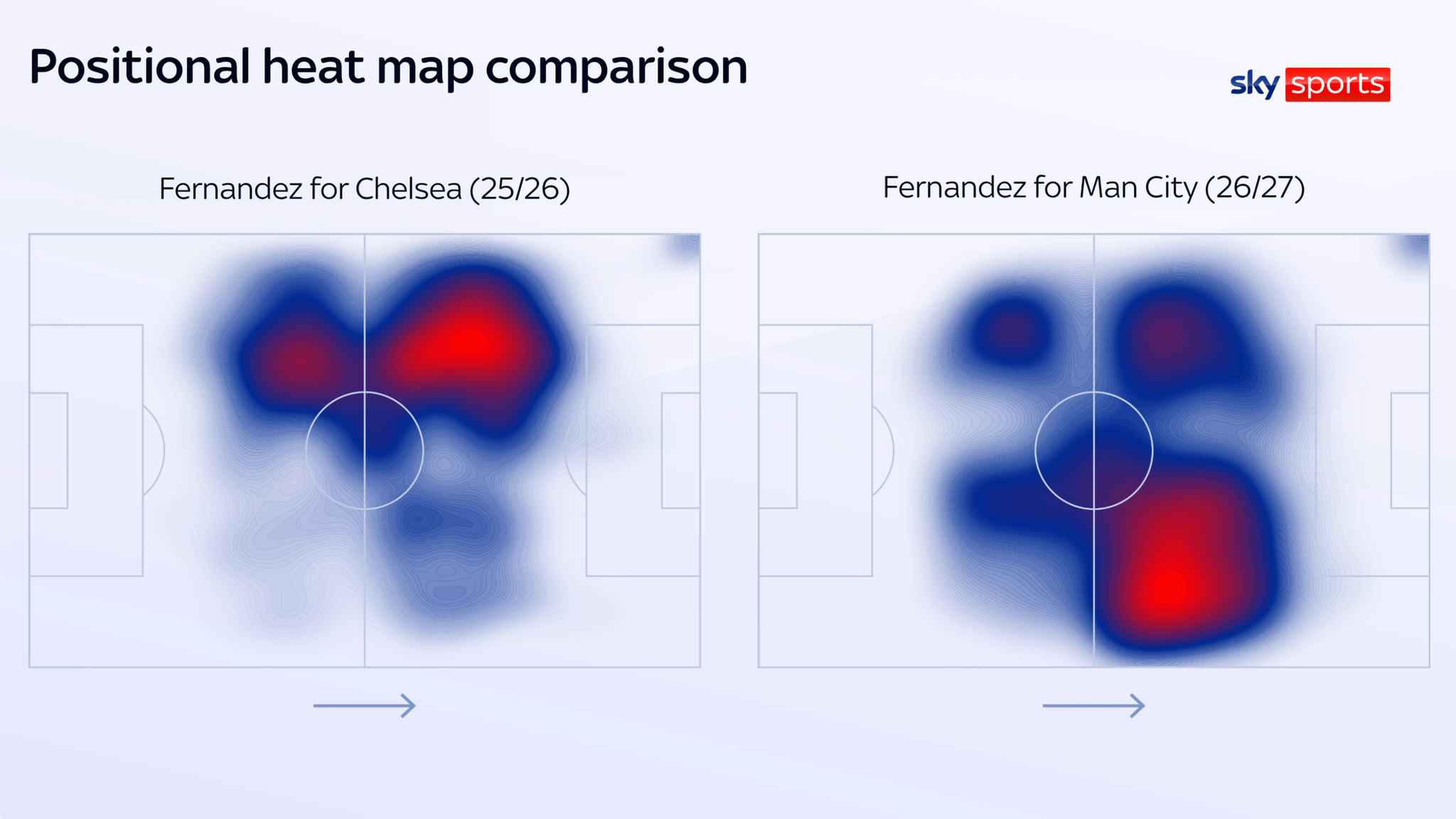
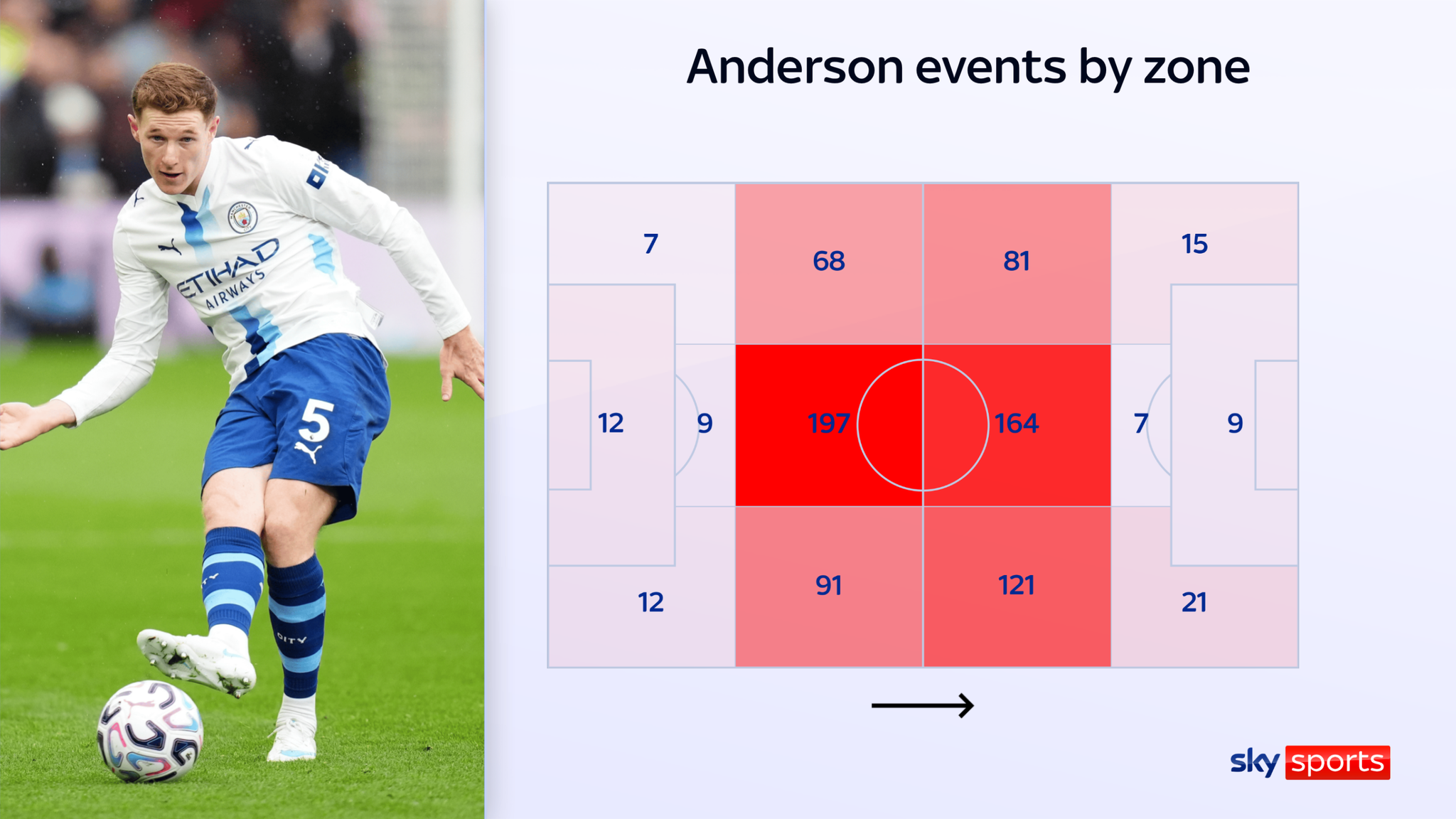
At the City Ground, Xaver Schlager and Ryan Yates exploited the imbalance, with Schlager logging a game‑high 14 defensive actions and Yates adding 11. Fernandez managed four, trailing Cherki’s five off the bench.
Maresma is gambling by fielding both, a risk amplified by the £320 m spent rebuilding the midfield and the mismatched profiles of the two £100 m‑plus signings. Solving that dilemma falls squarely on his shoulders.
The Italian isn’t copying his Spanish predecessor’s blueprint, yet one wonders: what would Pep Guardiola do in this scenario?
Guardiola’s sides thrived on numerical and positional overloads in midfield. Bernardo Silva mastered that art and his absence may hurt City more than Rodri’s departure. Pairing Bernardo with Anderson could curb the current possession errors, though the issue runs deeper.
If City crave a ball‑winning anchor to stabilise the base, Ayyoub Bouaddi fits the bill. The teenager has barely seen league action – just 177 minutes – and now has a chance to settle in.
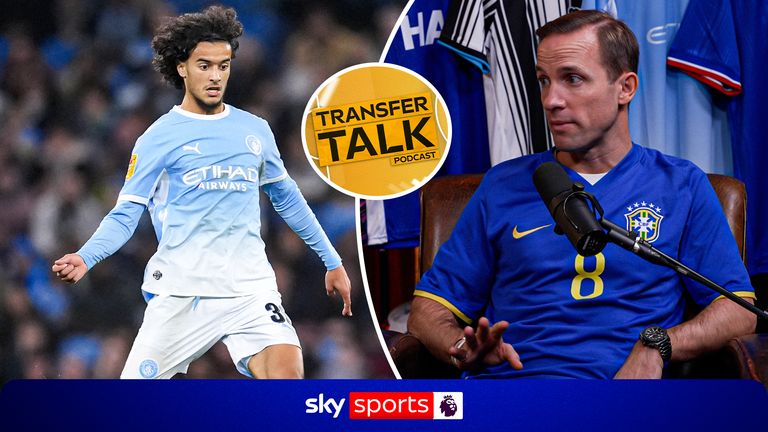
Bouaddi brings physicality and athleticism, easing Anderson’s defensive load and offering stricter positional discipline than Fernandez, adding another layer of resistance.
Against teams like Sunderland, Ipswich and Forest, City’s structural gaps have been exposed; a simple midfield boost could deliver a quick fix. Bouaddi is a ready‑made No 6.
Yet bolstering the centre doesn’t mean sidelining the player Maresma splurged on two‑and‑a‑half months ago. Using Fernandez at the tip of a midfield triangle could replace Cherki depending on tactics, preserving City’s possession‑driven, goal‑rich identity.
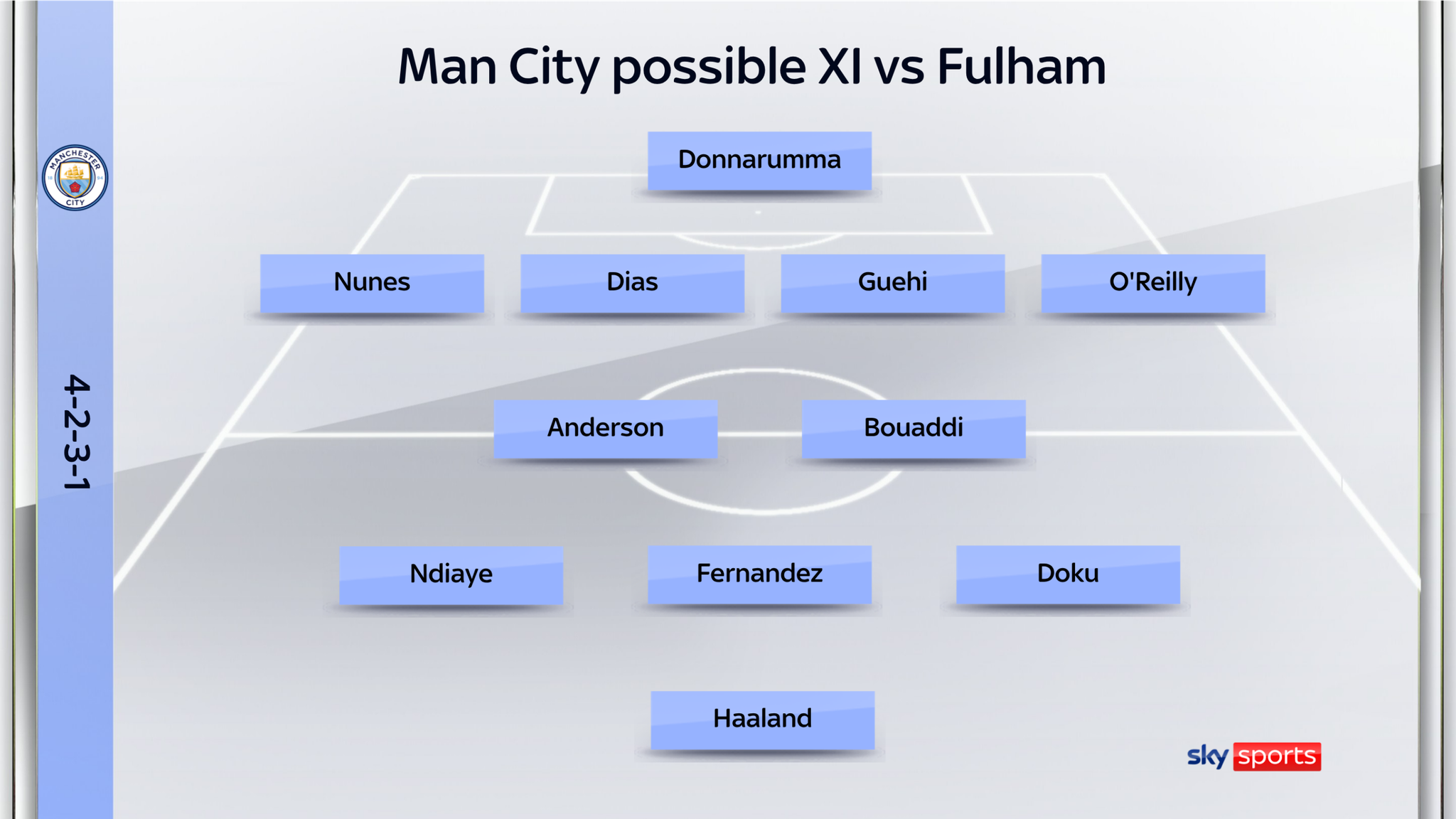
Fernandez shields the ball, draws fouls, times his runs into the box and can both create and finish. Though yet to score in open play, he thrives in a free role with proper cover. Cherki’s creative spark still matters, but Maresma must prioritise spine solidity.
City host Fulham this weekend, having won their last 17 meetings with at least two goals each. A year ago Pep’s side conceded four at Craven Cottage yet scraped a 5‑4 win. Maresma can’t repeat that gamble.
Will City finally curb the chaos and secure a steady season?