
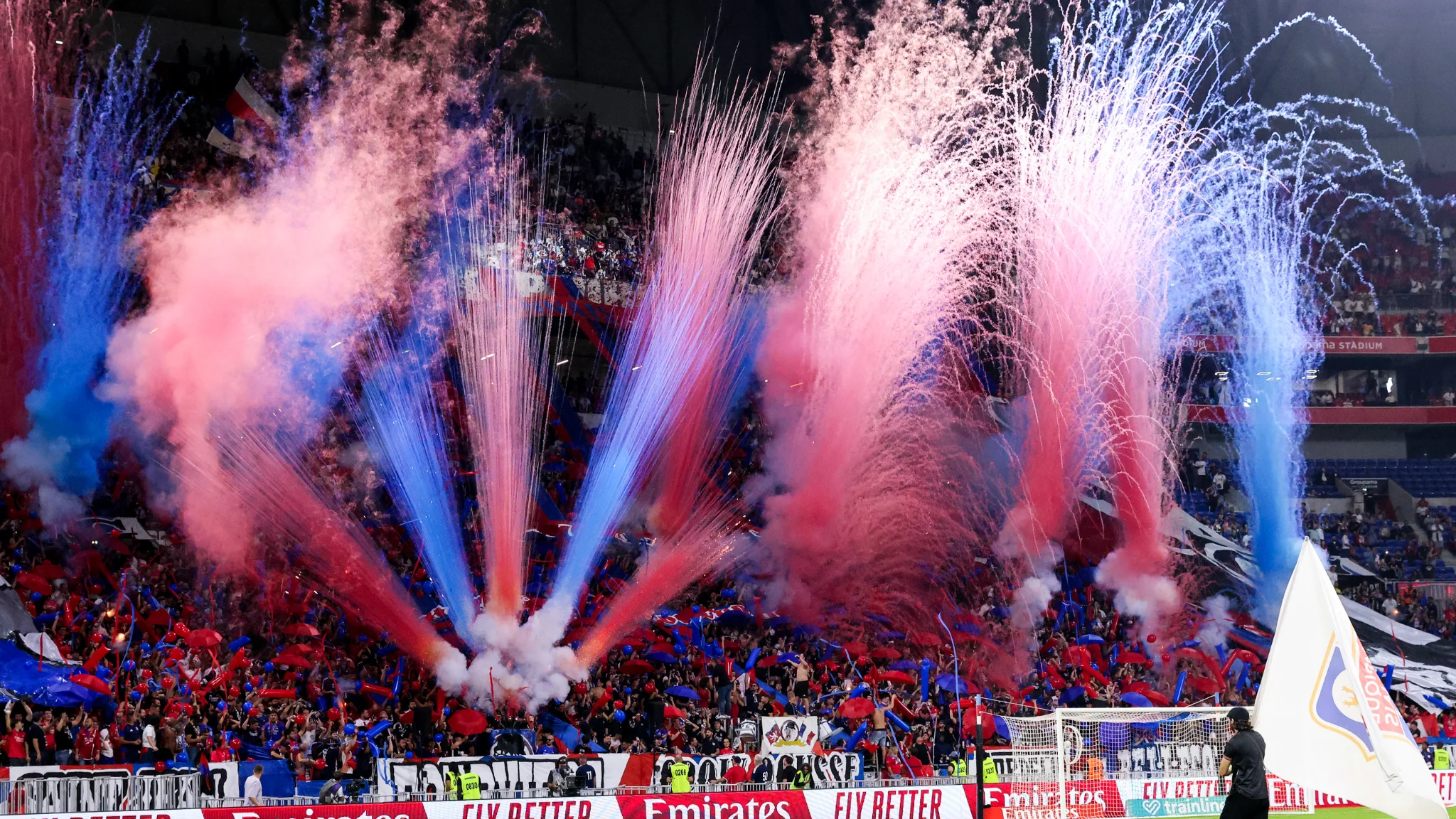
RMC Sport investigation reveals a simple brawl heading to court in February, an escalating violent clash under review, and sporadic off‑site threats that forced the club to bar a complex supporter group after the recent Rennes match. Around Groupama Stadium and the city, the opening weeks bring a swirl of incidents and online provocations, leaving the atmosphere uneasy.
On August 29, two notable incidents unfolded near the Lyon‑Le Havre game. Social media narratives accused supporters of a racist assault, yet investigations struggle to confirm details. Two hours after the match, elected official Meriem Bouchedda posted on Facebook that she and her partner were victims of a violent, racially‑tinged attack by fans who hurled slurs.
Authorities opened a probe, and the prosecutor announced that two suspects were charged with group violence and summoned to a February 18, 2027 hearing. Officially, the charge of racism was not upheld.
“Brawl: yes. Racism: no,” the courts conclude.
Witnesses describe a late‑night, alcohol‑fueled gathering of friends shouting nicknames. A husband, thinking an insult was aimed at him, snapped, leading to a one‑on‑one fight. His partner intervened, got hurt, and he tried to pull her away. The scuffle settled after a few seconds, as reported on his Facebook page.
Repeated attempts to reach Meriem Bouchedda failed. Her lawyer, Olivier Forray, says the social‑media backlash has scarred her. Despite the prosecutor’s notes, he maintains his client’s claim of a brutal, racist assault, insisting the court will reveal the truth.
Bad Gones launch a counter‑offensive
Defendant lawyer Fabien Rajon told RMC Sport his clients seek to clear their names and demand an apology. He warned that without one, they might file a complaint for a fabricated accusation, noting the personal toll of being labeled racist, especially for two Algerian‑origin men.
The conflicting accounts have prompted the Bad Gones—OL’s main supporter group of 6,000 members since 1987—to file a civil claim. Their lawyer Hervé Banbanaste says the group’s traditionally low‑key communication has been unfairly targeted, with no members implicated by the prosecutor, yet the narrative paints them as guilty.
The “Atypik Lyonnais” destabilise a fragile balance
Later that Saturday, an unrelated brawl erupted at the stadium entrances, apparently staged between about thirty traditional fans and the “Atypik Lyonnais,” a rebranded 69 Pirates faction that made headlines in 2024. Police sources say an investigation is underway.
No arrests have been made yet, and early social‑media reports still clash with the facts the courts will determine. The only certainty is the serious injuries suffered by a young man using the alias Adam, left bleeding on the ground.
Subsequent matches received heightened scrutiny: the September 5 game against Auxerre passed peacefully, while the September 19 clash with Rennes saw another flare‑up near the stadium, as admitted by the fans themselves.
Why were they barred from the stadium? Officials say the club’s internal rules require new supporter groups to prove an eight‑year spotless record before admission, a standard the OL Valley office enforces.
A powder keg tightens
Like the former 69 Pirates, the Atypik Lyonnais refuse the procedure, prompting the club to close the stadium gate to them. Rumors suggest a recent self‑dissolution, though authorities have yet to confirm the fourth‑generation fan faction’s status.
Since May, whispers that the 69 Pirates have resurfaced as the Atypik Lyonnais have sparked violent rumors. A Lyon 1950 supporter was assaulted during the city’s music festival, sustaining a triple ankle fracture and broken teeth. Another Bad Gone member later reported a five‑person intimidation outside his home, creating a toxic atmosphere.
Each incident triggers a complaint, alerting officials. Police note the group is on a 12‑month probation with the prefecture, yet they slip up before the term ends, then lie low before reappearing, aiming to destabilize long‑standing fan bases they label extremist.
From early‑century inaction to decisive action
The 2026 leaders of historic supporter groups now bear a tarnished image, blamed for past racist incidents. While years of inaction have left stands vulnerable to far‑right ideas, the club has begun imposing 18‑month stadium bans, reaching around a hundred this year, comparable to the total bans across the other 17 Ligue 1 clubs.
Supporter groups like Lyon 1950 claim they’re cleaning up: they expelled a member who ripped an Algerian flag from a fan supporting Rachid Ghezzal, describing the effort as long, patient, and severe.
They say they police their own ranks, swiftly removing anyone who uses inappropriate language, even destroying offending cards.
The South Side Lyonnais, born from the dissolved Mezza identity group, reportedly self‑dissolved. Some former members are returning, prompting the question: can authorities ban politically‑charged fans who keep their views out of the stadium? “Install facial recognition,” some suggest, though French law under John Textor’s era forbids it.
One group stresses they’re fighting hard and see a real drop in visible misconduct, yet a single viral post can erase months of behind‑the‑scenes work.
How politics weaponises the stands
As in autumn 2024, this flare‑up fuels fears of turbulent nights at Groupama Stadium. Leaders hold their lines against provocations, but for how long? The August 29 brawl shows the tinder is still smoldering, awaiting a spark…
Authorities claim they remain vigilant, holding security briefings before every match to tailor measures for rival fan groups. Riots trigger judicial procedures, administrative bans, and criminal convictions, with state services fully mobilized to manage public‑order risks.
An observant commentator notes that decades of Gerland‑to‑Groupama folklore—rivalries and fan clashes—have given way to political manipulation in the stands, mirroring broader French societal tensions.
Posts from the Atypik Lyonnais often get amplified by LFI politicians, who denounce a perceived “right‑wing takeover” of Lyon’s terraces.
The new OL board, focused on financial recovery, admits limited expertise on French societal issues. They assert internally that they’re aware of everything happening and are acting, yet they stress they can’t do it alone and call on the state and police for help.
All interviewed sources echo a single rallying cry: “Stop the political instrumentalisation of the terraces.” Bad Gones lawyer Banbanaste stresses the need for nuance and tolerance, urging politics to stay out of the stadium. Supporters want unity under the OL banner, refusing to discuss anything else.
Can dialogue finally take hold?
Can these historically opposed camps finally talk? Mayor of Décines‑Charpieu, where the stadium sits, urges a round‑table with public and private actors, noting the city swells from 30 000 to 90 000 on match days and can’t be held hostage by unrest. She’s pressed the interior minister for stronger action.