
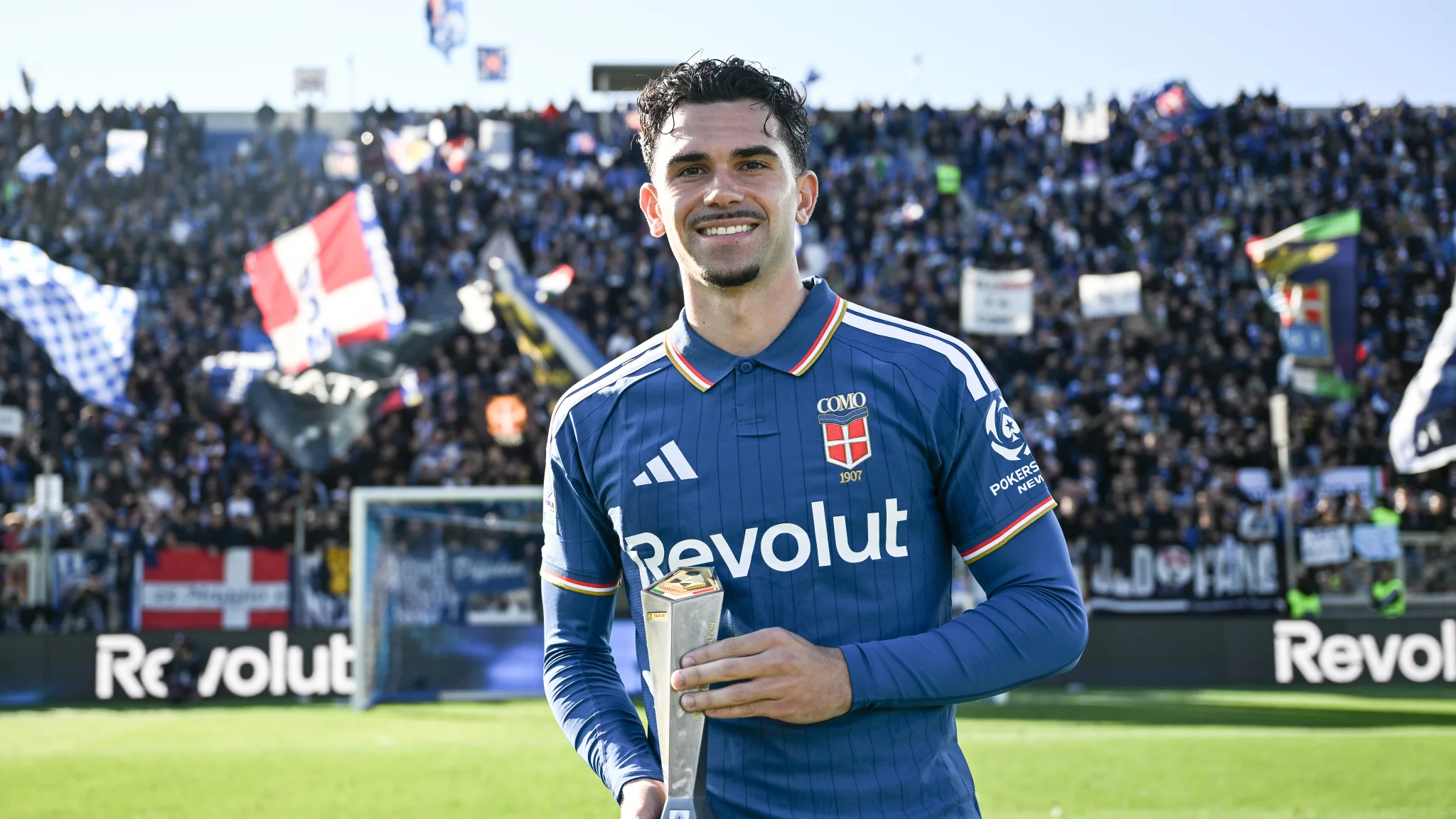
Facing Lens in Wednesday’s Champions League and PSG in January, Como is soaring in Italy. Two wins from three European outings already. Promoted to Serie A just two years ago, the club now boasts an Indonesian billionaire owner and a flair for attractive football set against the world‑renowned Lake Como.
Nestled in northern Italy, Como enjoys global fame for its three‑pronged lake and glamorous villages like Bellagio, frequented by stars such as George Clooney. In the past two years the 83,000‑strong town has also made headlines after its team stunned Manchester United in the Champions League. Historically a century‑old club with fleeting top‑flight spells, it welcomed supporter Simone at the Giuseppe‑Sinigaglia stadium on a sunny autumn Sunday for a Serie A clash. “It’s a historic side that once mattered little to its owners,” he said, “but Hartono’s investment in youth has transformed it.”
Indonesia’s most powerful man at the helm
“It used to be an anonymous provincial side, loved only by locals,” notes Daniele Manusia, Italian football expert on RMC. The Hartono brothers, Indonesia’s richest men, built fortunes in tobacco and banking before diversifying. Michael, who died in March at 86, left his younger sibling Robert at the helm. When they bought Como in 2019, the club lingered in Serie D, the fourth tier. Prior to that it had only thirteen post‑war Serie A seasons: a brief stint in the 1950s, one in the mid‑70s, a longer run in the 80s, and a solitary campaign in 2002‑03.
Twenty‑three years later, the club now enjoys a dazzling resurgence, finishing fourth last season and earning a Champions League berth. Matteo proudly dons the 2002‑03 jersey in the Sinigaglia stands. “I was tiny back then, but everything changed; the club grew from a modest regional outfit to a global name.” For my money, that transformation proves savvy leadership can rewrite destiny.
The ‘Lake Como’ brand as growth engine
First to join was Cesc Fàbregas, who arrived as a player in 2022 before quickly shifting to coach and becoming a minority shareholder. Thierry Henry also contributes to the rebuild, while Raphael Varane sits on the board. “Climbing from Serie D to the Champions League was unimaginable,” admits supporter Simone.
Samuele Nava of La Provincia says Como aims for heights alongside AC Milan, Inter, Juventus and Roma. The ambition stretches beyond the pitch, intertwining football with local culture and the prestigious Lake Como brand. While Milan leads fashion, Como has cultivated a high‑end apparel line bearing the club’s colours.
Money flows, but ideas drive progress. Will Como’s model inspire other modest clubs to rewrite the hierarchy?
Internationally, Como’s recruitment reflects its cosmopolitan ethos. Six Italians feature this season, yet spending remains measured. Young French talent Lucas Da Cunha arrived from Nice for under €1 million and now captains the side as a French international. Goalkeeper Jean Butez, also selected by Zidane, and midfielder Maxence Caqueret round out the French contingent. The club splurged €66 million last summer to retain Nico Paz, a former Real Madrid prospect, and €30 million for defender Trevoh Chalobah.
How does Italy view this emerging power? Daniele Manusia observes a mix of admiration for the club’s modern style and criticism that it feels alien, with a counter‑cultural coach in Serie A. He contrasts it with Palermo, owned by City Group yet still struggling, proving money alone isn’t enough. The Hartono family and president Mirwan Suwarso envision attractive football paired with sports tourism around the lake, not merely a rapid Champions League ascent.
Seeing a small‑town side challenge the giants of Rome, Milan, Turin and Naples is novel for Italy. “Sassuolo tried something similar—big money, little fan base,” Manusia notes. “Como benefits from its beauty, proximity to Milan and star‑studded crowds, but sustaining a top‑table squad will demand more than owner cash and Fabregas’ style. I’m skeptical they can build lasting success.”
The stadium, described by fan Matteo as “tiny, charming, family‑friendly,” now feels outdated. With just 12,000 seats, it was quickly adapted for Champions League matches, reducing capacity to 10,000. A full renovation slated for 2028 aims to expand to 15,000, still far from the 71,500‑seat Generali Stadium that Milan clubs showcase fifty kilometres away.