
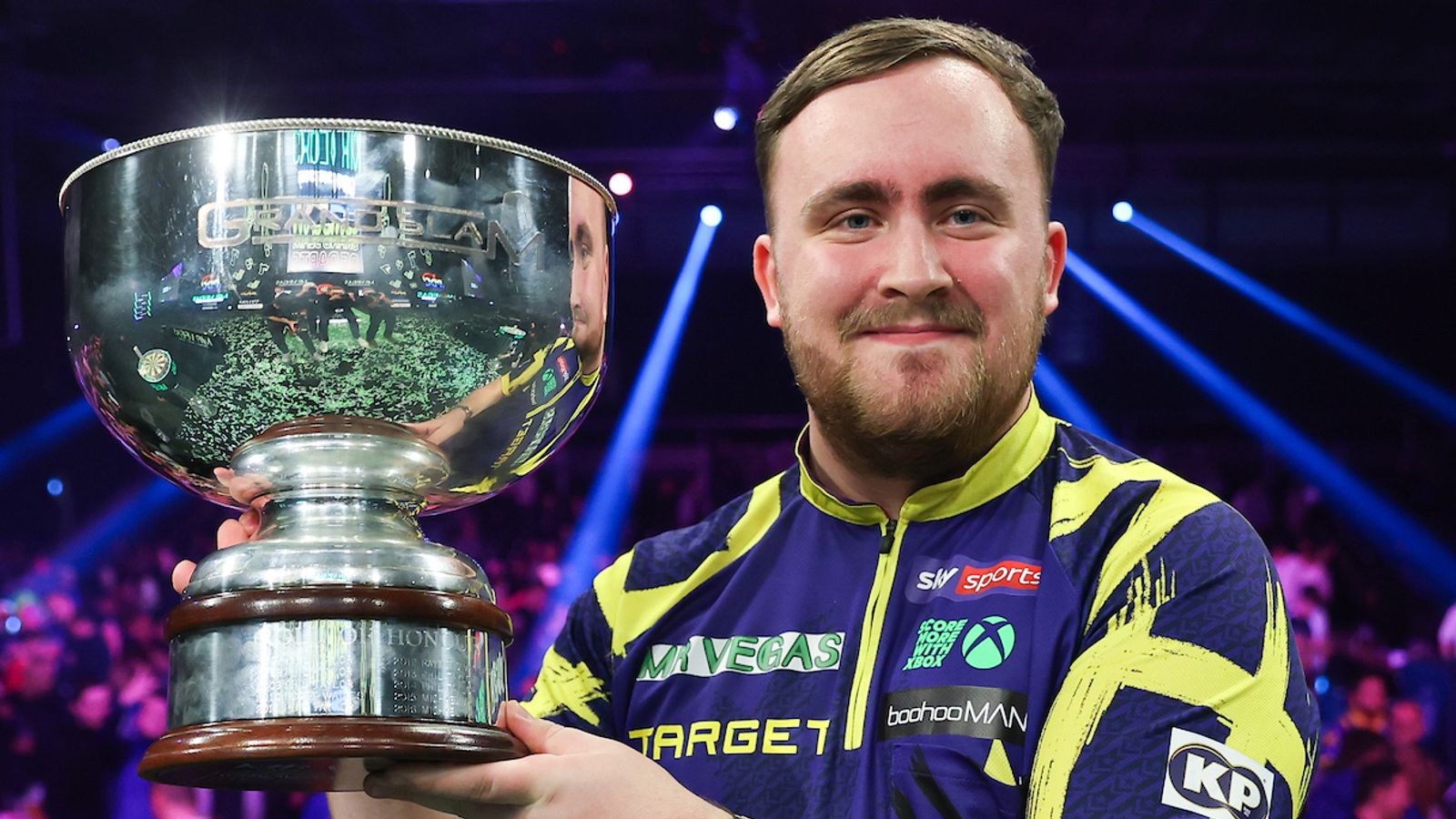
Ready for the 2026 Grand Slam? Here’s the lowdown on format changes, dates, history and the massive prize boost…
The action kicks off Saturday, Nov 14 and runs through Sunday, Nov 22. Quarter‑finals land on Nov 20‑21, with semis on the Sunday afternoon and the final that evening.
What is the Grand Slam of Darts format?
GROUP A
(1) Luke Littler, Niels Zonneveld, Beau Greaves
GROUP B
(16) Jermaine Wattimena, Alan Soutar, Lisa Ashton
GROUP C
(8) Josh Rock, Kevin Doets, Tommy Morris
GROUP D
(9) Stephen Bunting, Cameron Menzies, Raymond Smith
GROUP E
(4) Gerwyn Price, Sebastian Bialecki, Joe Hunt
GROUP F
(13) Ryan Searle, Andrew Gilding, Charlie Manby
GROUP G
(5) Jonny Clayton, Rob Cross, Anton Ostlund
GROUP H
(12) Wessel Nijman, Niko Springer, Adam Sevada
GROUP I
(2) Luke Humphries, Joe Cullen, Paolo Nebrida
GROUP J
(15) Luke Woodhouse, Krzysztof Ratajski, Tom Sykes
GROUP K
(7) James Wade, Ricky Evans, Cam Crabtree
GROUP L
(10) Michael van Gerwen, Jeffrey de Graaf, Henry Coates
GROUP M
(3) Gian van Veen, Bradley Brooks, Carl Sneyd
GROUP N
(14) Chris Dobey, Martin Schindler, Jan Schmidt
GROUP O
(6) Ross Smith, Gabriel Clemens, Rusty-Jake Rodriguez
GROUP P
(11) Nathan Aspinall, Karel Sedlacek, Maik Kuivenhoven
When and where is the Grand Slam of Darts?
The 48‑player field is now split into 16 groups of three, not eight groups of four.
Only the group winner advances – the top‑two rule is gone.
Each competitor gets just two group matches, so every leg matters immensely.
Groups operate as mini round‑robins.
A win nets two points; a loss yields none.
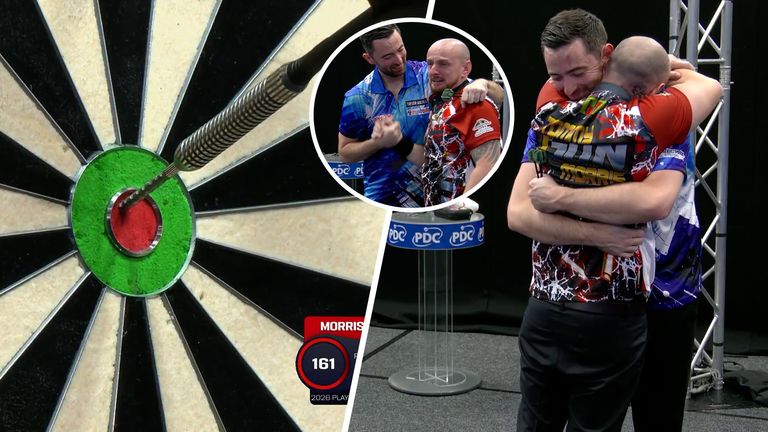
If three players tie on points, the tie‑breakers are leg difference, legs won, legs won against throw, tournament average and match average.
Should those criteria fail, a nine‑dart shoot‑out decides the group winner.
Throw order follows PDC rankings, with the highest‑ranked player choosing first, second or third.
Group winners move into a last‑16 knockout, then follow the standard bracket.
The venue is WV Active Aldersley in Wolverhampton, and fans are expected to pack every session.
- Winner Group C v Winner Group D
- Winner Group E v Winner Group F
- Winner Group G v Winner Group H
- Winner Group I v Winner Group J
- Winner Group K v Winner Group L
- Winner Group M v Winner Group N
- Winner Group O v Winner Group P
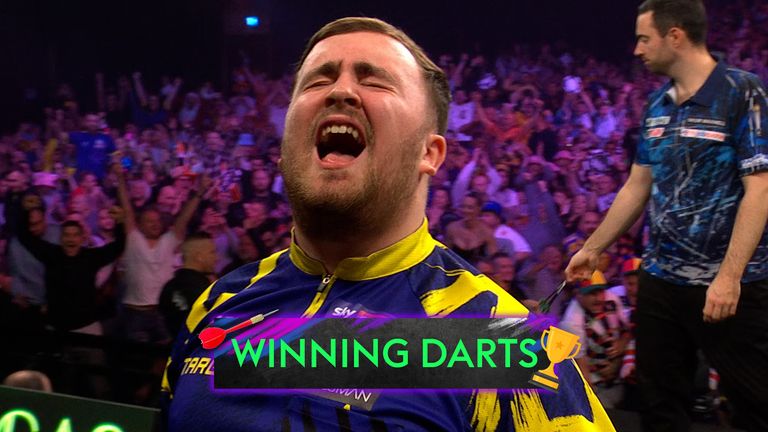
- Luke Littler retained his Grand Slam crown with a convincing win over Luke Humphries
What is the prize pot?
Littler lifted a 16‑11 win over Humphries last year, securing back‑to‑back titles. He’ll chase a third straight crown in 2026.
Prize money has jumped from £650,000 in 2025 to a staggering £1,000,000 this year.
Who are the previous winners?
The champion now pockets £200,000, while the runner‑up takes home £100,000.
Semi‑finalists earn £60,000; quarter‑finalists get £35,000.
Making the last 16 nets £20,000, and second place in a group is worth £12,500.
Finishing bottom leaves you with £5,000.
Littler won in 2024 and 2025; Humphries was champion in 2023.
Grand Slam of Darts winners
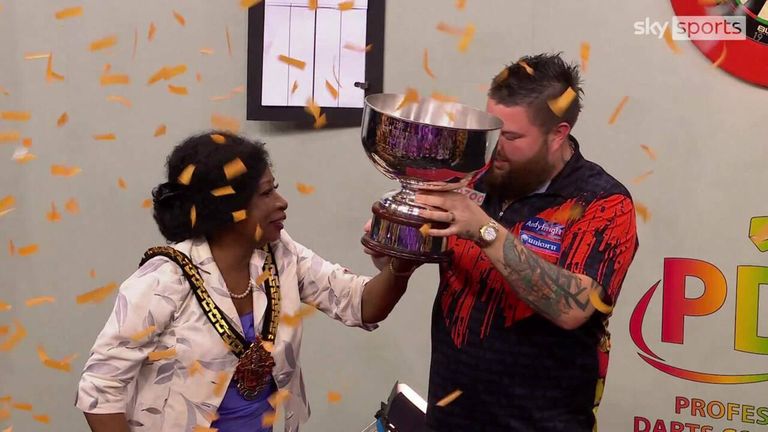
Michael Smith broke his major drought in 2022, lifting the Eric Bristow Trophy after a 16‑5 triumph over Nathan Aspinall.
Since 2007 only nine different players have won the Grand Slam. Phil Taylor leads with six titles; Van Gerwen and Gerwyn Price have three each.
A third consecutive win would place Littler among that elite group.
Only eight players have lifted the trophy, though 19 have reached the final – James Wade, Peter Wright and Anderson still chase their first win. Martin Lukeman joined the finalists in 2024.
Humphries recorded the seventh nine‑dart finish in Grand Slam history during a Group A win over Michael Smith in 2025.
Winner Group A v Winner Group B
He hit a 144 checkout to complete his third nine‑dart leg of 2025, sealing a 5‑3 win – the first perfect leg at the event since Ryan Searle’s 2023 feat.
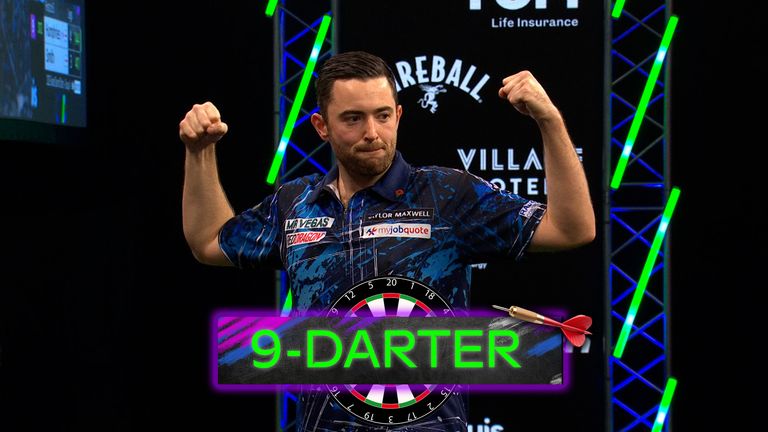
The inaugural nine‑dart came from Wade in 2008; Rock, Van den Bergh, Chisnall and Huybrechts have also done it. No nine‑dart shooter has ever gone on to win the tournament that year.
What are the groups?