
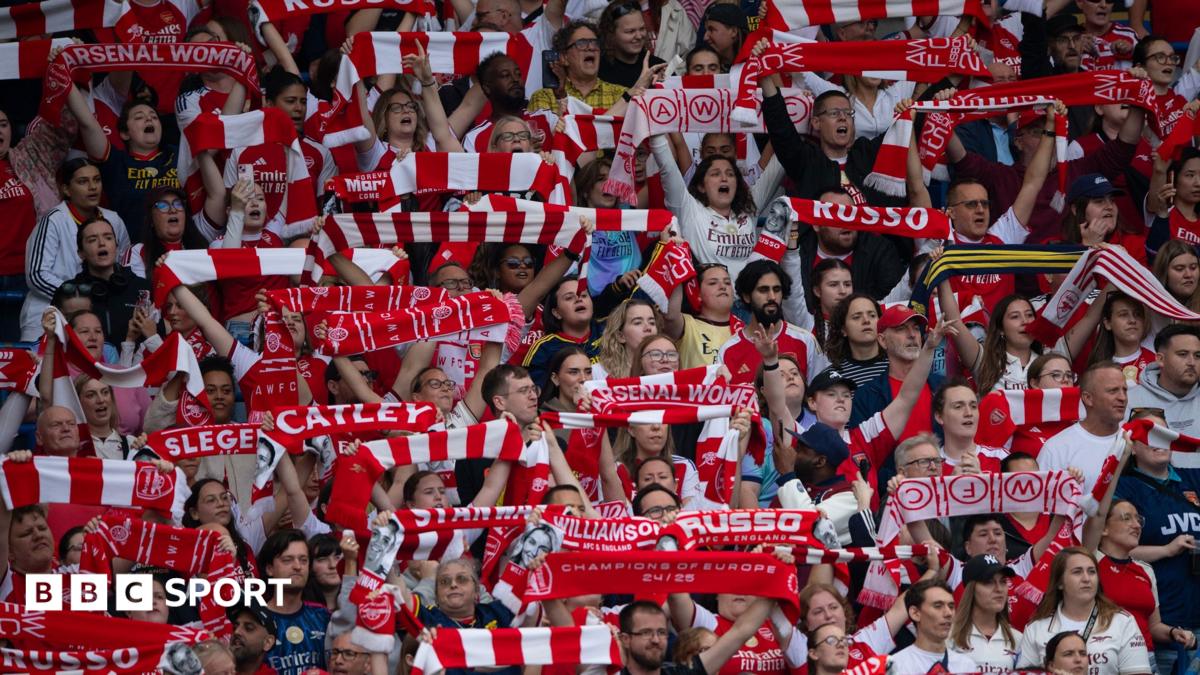
Average WSL attendances jumped 192% after the Lionesses’ Euro 2022 win, yet the growth pace has now flat‑lined.
Median crowds edged up only 166 fans – from 3,070 in 2023‑24 to 3,236 in 2025‑26 – per a 2026 YouGov and Populous survey of 2,000 fans.
Top‑tier fixtures are now drawing noticeably fewer spectators.
Arsenal vs Manchester United at the Emirates fell from 46,603 in 2024‑25 to 29,853 this season, while Chelsea‑Arsenal slipped from 34,302 to 19,349 over the same span.
The Gunners, who averaged 34,000 at the Emirates last season – nearly four times Chelsea and more than eight Premier League clubs – recorded just 19,546 for their October clash with Birmingham City.
Bright spots exist, like a sold‑out 4,000‑ticket Arsenal away allocation at Tottenham, yet the broader pattern remains clear.
Manchester United vs Manchester City drew 5,361 at Leigh Village in October, but the same tie attracted 24,983 at Old Trafford in March 2026.
So what’s driving the dip? Marketing, scheduling, matchday experience, stadium design, product or something else?
Families v loyal fans – can women’s football attract both?
When fans were asked what mattered most, a “welcoming, family‑friendly environment” topped the list, outranking team success and on‑pitch quality for both current and potential supporters.
Only 15% of fans who attended a women’s match in the past five years do so at least monthly, the research showed.
Meanwhile, 43% describe themselves as casual followers who tune in more for major internationals, while just 10% call themselves devoted supporters.
For my money, the league must stop chasing gimmicks and focus on a genuine matchday experience that families truly value.
Some supporters voiced frustration with the family‑friendly push.
Spurs fan Rosewen added, “They can offer attractions to tempt people through the gates but we’re losing sight of football and the importance of winning.”
On the recent low turnout for the north London derby, Lauren wrote on X: “Attendances across the WSL are down so this isn’t a Spurs‑specific issue.”
Brighton ran a “Saturday Spooktacular” for its October West Ham game at the Amex, featuring a haunted house, face‑painting, hair‑braiding, costume contests and more.
How does scheduling impact crowd numbers?
The Premier League has long owned the 3 pm Saturday slot, while the WSL’s shifting kick‑offs make it harder for fans to build a routine.
Arsenal fan Sue complained: “Constant changes to game times and travel issues. I had six tickets last season; three matches changed day and time, another three had bus replacements for trains.”
“These problems turn families off. WSL needs regular days/times to attract consistent fans,” she added.
Victoria agreed: “Scheduling is dreadful. Stick to Sunday afternoons where possible. I’m fed up with late changes. Consistency is key.”
The October north London derby at Tottenham Hotspur Stadium kicked off at 12:45 BST, with Arsenal’s men playing Everton later that day, forcing fans to choose.
Attendance that day was 13,719 – under half the 28,852 who watched the same fixture in 2024.
A WSL Football spokesperson said: “Despite fixture‑scheduling and stadium‑availability challenges, demand remains strong, with more fans engaging with content, revenues rising and cumulative attendances topping one million over the past three seasons.”
Who are the audience?
Attempts to draw new audiences have sometimes backfired.
Similar concerns followed a Women’s League Cup draw hosted by influencer GK Barry.
Disney+’s Women’s Champions League coverage stumbled with gimmicks like a dog and a vegetable platter.
The debate underscores a broadcaster dilemma: how to win new fans without alienating existing ones?
Does Scott’s Disney+ exit reveal a wider issue in women’s‑game coverage?
Is the product competitive enough?
“If a match is a ‘dead rubber’ fewer people turn up. In the Premier League most games have something at stake. WSL has fewer European spots and relegation places – too many ‘nothing’ games.”
London City Lionesses owner Michele Kang echoed this at the World Football Summit in Madrid: “If you look at Spain, France and Germany, competitive balance isn’t quite there yet.”
Barcelona’s seven appearances in the past eight Women’s Champions League finals illustrate the point.
How can stadium design help?
Home venues vary across the WSL, from Manchester United’s 12,000‑seat Leigh Sports Village and Brighton’s 6,134‑seat Broadfield Stadium to Arsenal’s 60,000‑seat Emirates and Chelsea/Everton’s 40,000‑capacity grounds.
Larger arenas offer growth potential but can feel empty; smaller sites generate atmosphere at the cost of capacity and facilities.
“But now most people have been to Old Trafford, Emirates, Etihad etc., so you see the drop‑off as the novelty has worn off.”
Brighton aims to change that with Europe’s first purpose‑built women’s stadium – a £75‑80 m, 10,000‑seat ground beside the Amex.
The club says it will give the women’s team a permanent home, designed specifically for female players, families and first‑time fans.
CEO Paul Barber stressed that a purpose‑built venue shows “respect and focus” for the women’s side.
The plan aligns with the WSL’s “world‑first design guidelines,” which argue stadiums have historically been built for men and need to serve female players and fans better.
Brighton plan Europe’s first purpose‑built £80m women’s stadium
Four years after Euro 2022, the WSL’s hurdle isn’t attracting interest but converting occasional visitors into regular supporters and fostering tribalism.
Some think clubs can serve different audiences simultaneously.
On the BBC women’s football fan chat, Tim said: “Matchday doesn’t need to be either/or. London City ran a kids’ fan zone before last week’s Everton game.”
“They also hosted a post‑match Oktoberfest for older fans. Different marketing for different audiences on the same day.”
Former England star Ellen White told BBC’s Women’s Football Fallout: “The beautiful thing about women’s football is that it’s for everyone.”
“I don’t think it’s about dismissing any audience. It’s about finding marketing strategies that grow the game and sell out stadiums.”
Women’s football is still maturing. Though it remains one of the most affordable sports, UK cost‑of‑living pressures could also affect crowd numbers.
As professional pathways produce more elite players, standards, product and competitiveness should rise.
Likewise, the first generation raised on regular women’s football should build fandom that drives attendances up.
A WSL Football spokesperson added: “Women’s football is still early‑stage and growth isn’t linear.
We’re still learning about the fanbase and working proactively with clubs to boost visibility and awareness of matches.”