
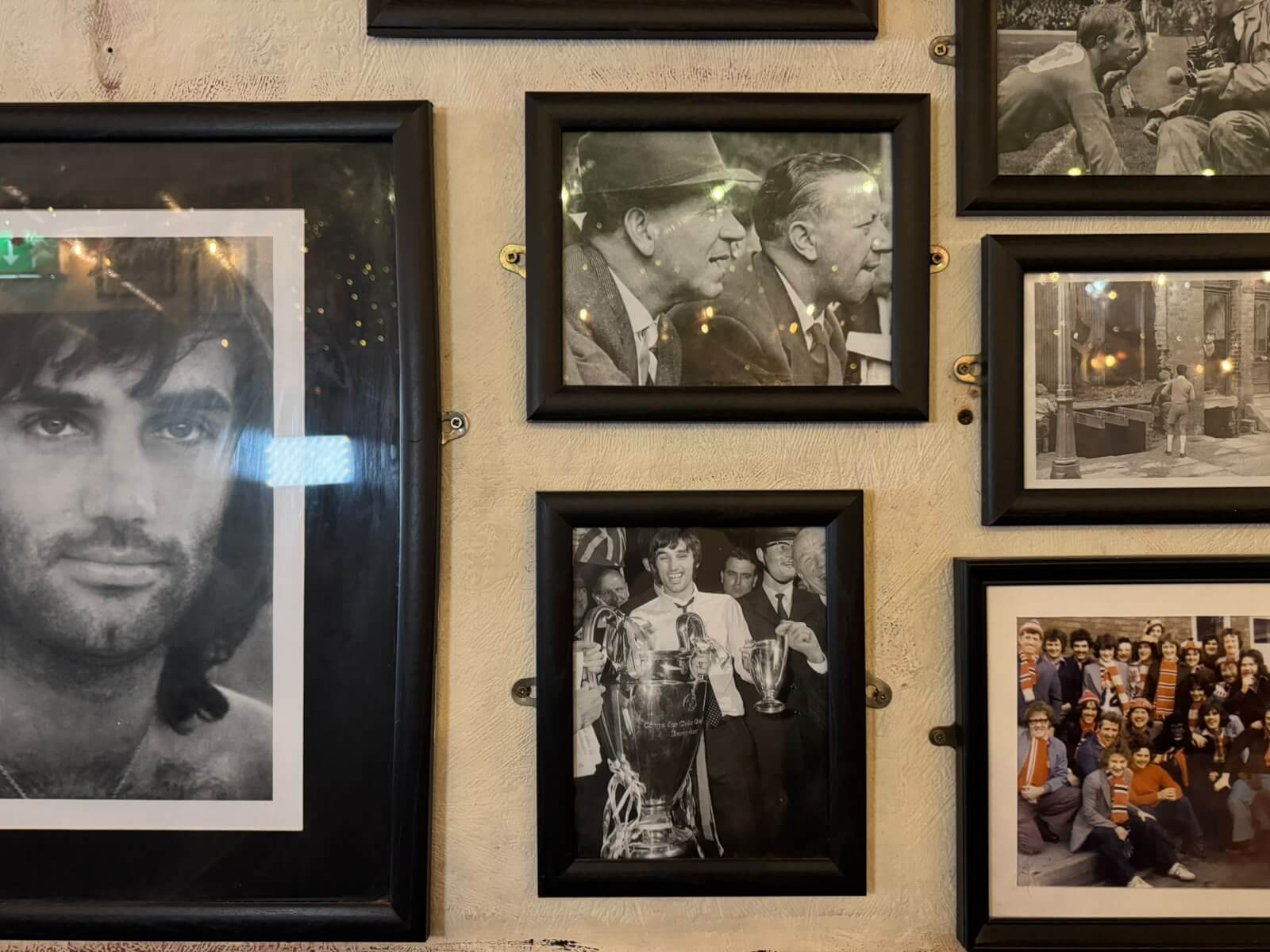
?Can you picture the walls of the Old Nag’s Head, plastered with vintage United triumphs? George Best clutching the 1968 Cup, Sir Matt Busby, a snow‑blanketed Munich field, Nobby Stiles flashing a toothless grin with Paddy Crerand, and a sombrero‑clad Best in Lisbon 1966—all captured in timeless frames.
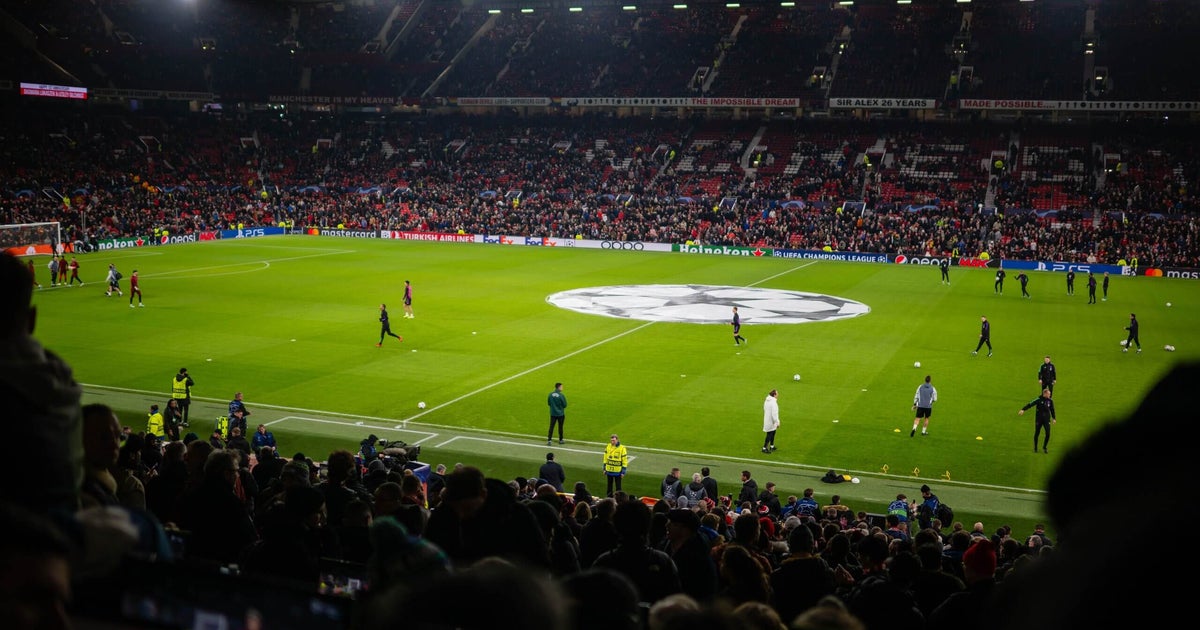
The Old Nag’s Head will be buzzing Thursday, just like every home game night. Sabah FK will become the first Azerbaijani side to face United as the Champions League makes its long‑awaited return after three years away.
United and its supporters are craving that European fix.
The club craves prestige and the cash flow that comes with it—years of chasing a quarter‑final spot have yielded only one appearance in twelve. Thousands of tickets remain on general sale for the Sabah tie, as the visitors are expected to travel with a modest fan group.
In my view, United can’t afford to miss the Champions League revenue stream. Like many English rivals, the club’s budget leans heavily on gate receipts, commercial deals and prize money that only Europe delivers, especially with a hefty debt load and limited owner cash injection.
Earnings will hinge on performance: each group‑stage win nets £1.8 million ($2.4 m), plus far more if the team reaches knock‑out rounds. Even a winless group would still out‑earn the Europa League final haul from two seasons ago.
That cash splash is welcome after two barren years. Adidas stripped £10 m from United’s kit deal during the exile, yet a Champions League berth will push the contract’s revenue back toward £90 m by 2026‑27.
Local pubs, hotels, taxi firms and hot‑dog carts will all feel the lift after last season’s match drought. United played just 20 home games in 2025‑26; this campaign should push that number close to 30.
Die‑hard fans are already mapping trips to Como, Lisbon, Madrid and Villarreal, eager for more than 90 minutes of football. UEFA’s new ticket‑price caps for travelling supporters finally curb the sky‑high fees Spanish clubs once demanded.
Most fans won’t expect United in a 2027 final in Madrid, but head coach Michael Carrick—himself a 2008 winner—reminds everyone how vital elite European competition is for the club’s identity.
“It means a lot,” Carrick told reporters before the Sabah clash. “Testing yourself against the best is non‑negotiable. This club has a history of demanding excellence, and we can’t take that for granted.”
“We’ve missed it for years and now we’re back where we belong,” he continued. “We’ve made huge strides, finished the league strongly, and now we look ahead. The competition is magical; once you’ve tasted it, you want more.”
United have lifted the European Cup three times—1968, 1999 and 2008. That tally may seem modest for a club of this size, yet it still outshines north‑London rivals and sits below Liverpool’s six crowns.
European glory remains woven into United’s DNA. A tunnel at Old Trafford bears Munich’s name, honoring the 1958 tragedy that shaped the club’s early continental forays, defying the English FA’s opposition at the time.
Sir Matt Busby once said he was called a visionary, a reactionary, even stubborn, but prestige alone forced him to chase the continental challenge.
United opened their European saga with a record 10‑0 win over Anderlecht in 1956, played at Manchester City’s Maine Road because Old Trafford lacked floodlights. A Belgian friend helped locate Anderlecht’s Hippolyte Van den Bosch on the 50th anniversary.
“We were the best side in Belgium, but United were on another level,” the former Anderlecht star recalled, calling them the finest English team he’d ever faced.
Athletic Club’s 5‑3 win in Bilbao in 1957 marked United’s first European defeat. I later spoke with defender Bill Foulkes about that snowy trip.
“I hoped for sunshine after that harsh winter, but Bilbao greeted us with slush, fog and a miserable coach ride,” Foulkes recalled, describing the chaotic arrival and sub‑par hotel meals.
United fell to the Spanish champions that night.
“Our plane was stuck in a snowstorm, the runway iced over, and we ended up sweeping slush off the aircraft ourselves,” Foulkes said, noting the eerie foreshadowing of Munich’s tragedy a year later.
After a turbulent take‑off, the team endured a violent storm over the Bay of Biscay and a bumpy landing on Jersey’s cliffside, where several players felt ill.
United turned the tie around, winning 3‑0 in the return leg and reaching the semi‑final before losing to Real Madrid. A crowd of 135,000 still stands as the club’s record attendance.
European football mattered then, and it matters now.
The Munich disaster struck after United’s 1958 quarter‑final win in Belgrade; the decimated squad wouldn’t return to Europe for eight years. A decade later, in 1968, United became the first English side to win the European Cup, beating Benfica 4‑1 after extra time at Wembley.
United donned an unfamiliar all‑blue kit, while Benfica kept their classic red and white.
Fans still chant, “Bobby gets the ball, Georgie on the wing, Law scores, United reigns,” to the tune of a Beatles classic.
Supporters also sing, “From the banks of the Irwell to the shores of Sicily,” and chant for Solskjær’s legendary 1999 winner.
In short, European success is central to United’s identity; the 1999 and 2008 triumphs remain high points, with Solskjær’s last‑minute heroics topping the list.
United’s absence is felt across the continent.
During a recent trip to Bergamo for a Champions League tie, a UEFA official confessed the competition and industry miss United’s presence, noting the club’s massive fan base and global appeal built on a storied European past.