
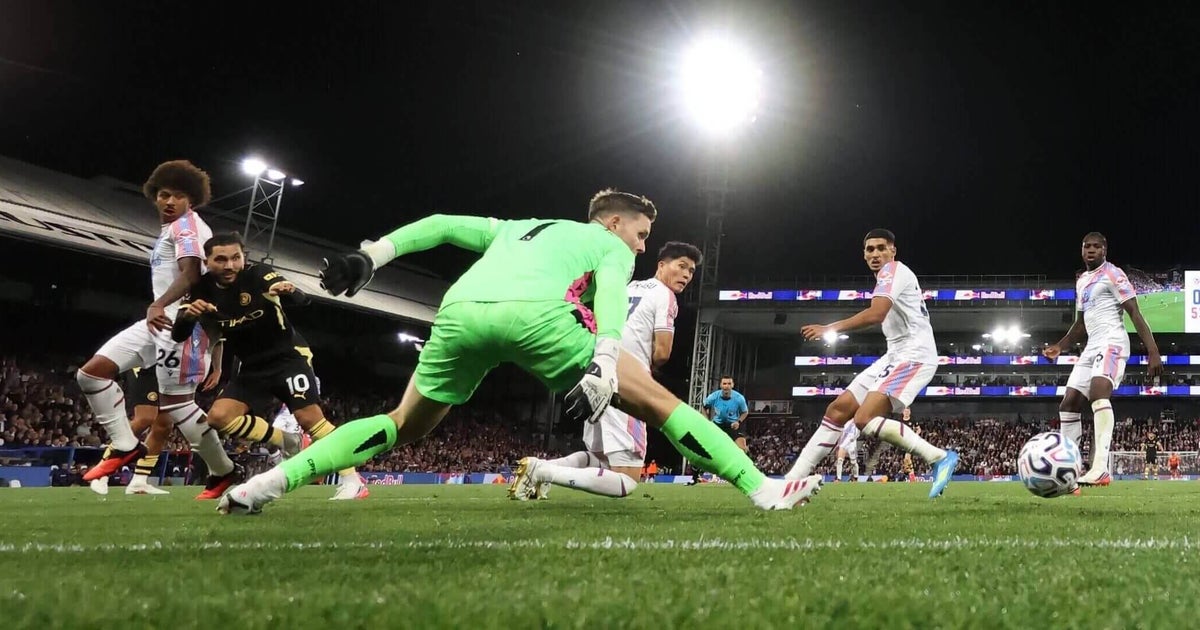
Who knew a boxer could dance like that? You see his feet blur, skipping and tip‑toeing past desperate defenders as he glides through the box and slips the ball past the keeper.
His first City goal versus Crystal Palace, a dazzling finish in a 4-1 win, showcased the same lightning‑quick footwork he honed in a very different ring.
In May a clip of Cherki sparring with French coach Omrani Faycal went viral, showing him darting in and out of range, slipping, ducking and rolling – those dancing feet again.
It stood out, because footballers who try boxing rarely look convincing.
Usually they swing wide, waist‑high punches with no head movement – fine for a light‑hearted break or rehab session.
When Cherki steps into the gym, though, he moves like a true pugilist.
“It’s scary,” Pep Guardiola joked at a press conference, “He’ll play every game!”
Former England U‑21 midfielder Curtis Woodhouse, now a British light‑welterweight champion, said, “He’s got fast hands and pop in his shots – I’d swear he’s a boxer, not a City player.”
Cherki isn’t the only top‑flight player with a boxing itch; many sit ringside on UK fight nights, including England keeper Jordan Pickford and ex‑United striker Wayne Rooney, who grew up with the sport.
Rooney trained at his uncle’s Croxteth gym and once sparred with Phil Bardsley in his kitchen, ending knocked out on the floor, then pretended to collapse after scoring against Tottenham.
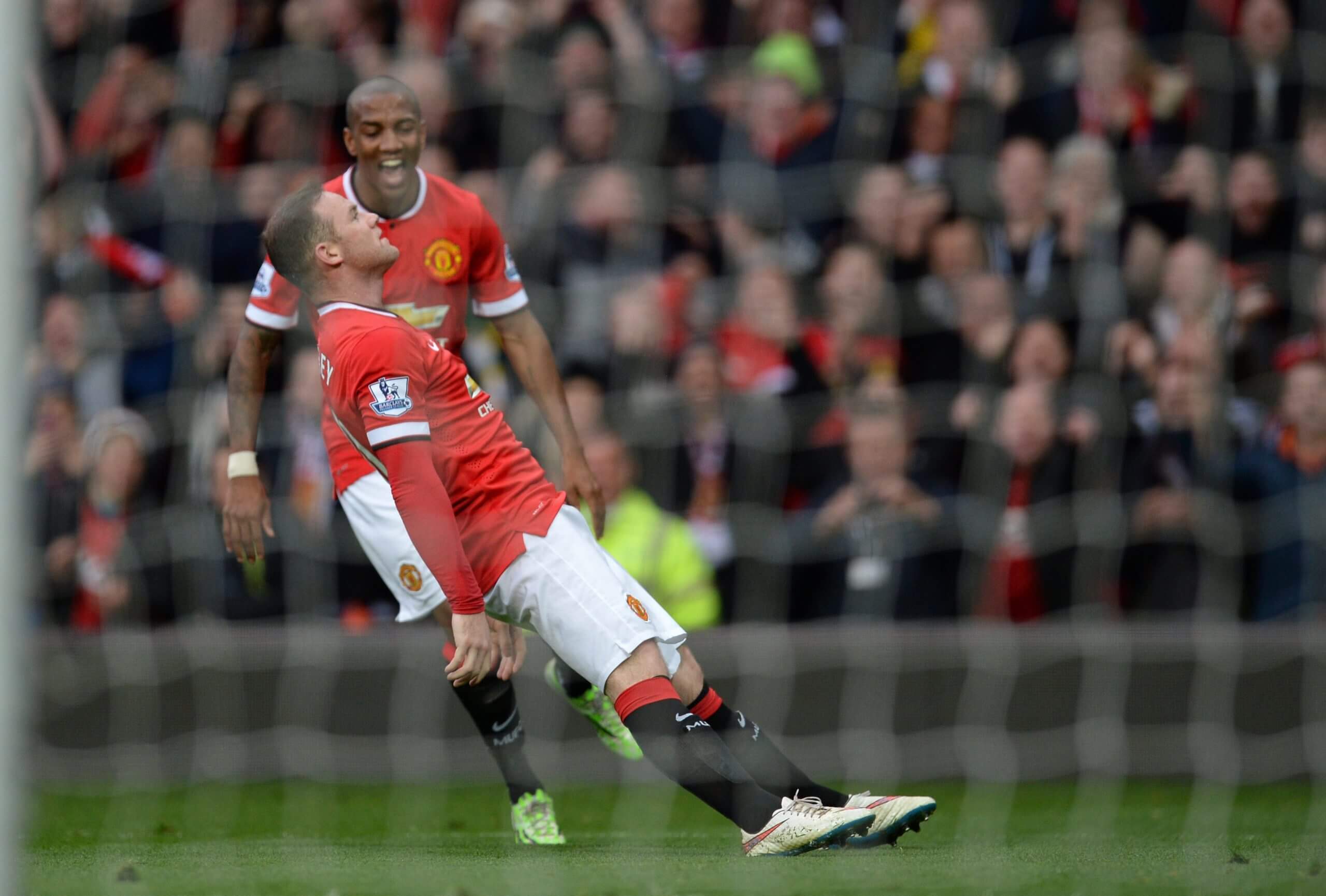
On a 2019 Matchroom podcast, Rooney claimed his childhood boxing gave him the physical edge to debut in the Premier League at 16.
“It got me ready for big defenders like Sol Campbell and Martin Keown,” he said, “without it I doubt I’d have coped.”
Others lack a boxing lineage but still slot it into their routines.
Early in 2024‑25, United forward Marcus Rashford posted a video of pad work mixed with bunny‑hops, while Jordan Henderson and Paul Pogba have also been spotted training with boxing‑style drills.
Does the crossover really help these athletes?
Faycal, who coached Cherki weekly for eight years until his Lyon exit, insists boxing is a “real lever for improvement” in today’s one‑on‑one, fast‑decision football.
Woodhouse sees it mainly as a break from monotony, yet Faycal lists deeper gains: coordination and neuromuscular agility.
In practice, Faycal explains, “Boxing syncs upper‑ and lower‑body actions – you throw combos, dodge and move, linking perception with action.”
“For a gifted playmaker like Rayan, that sharpens direction changes, feints and tight‑space beating of defenders,” he adds.
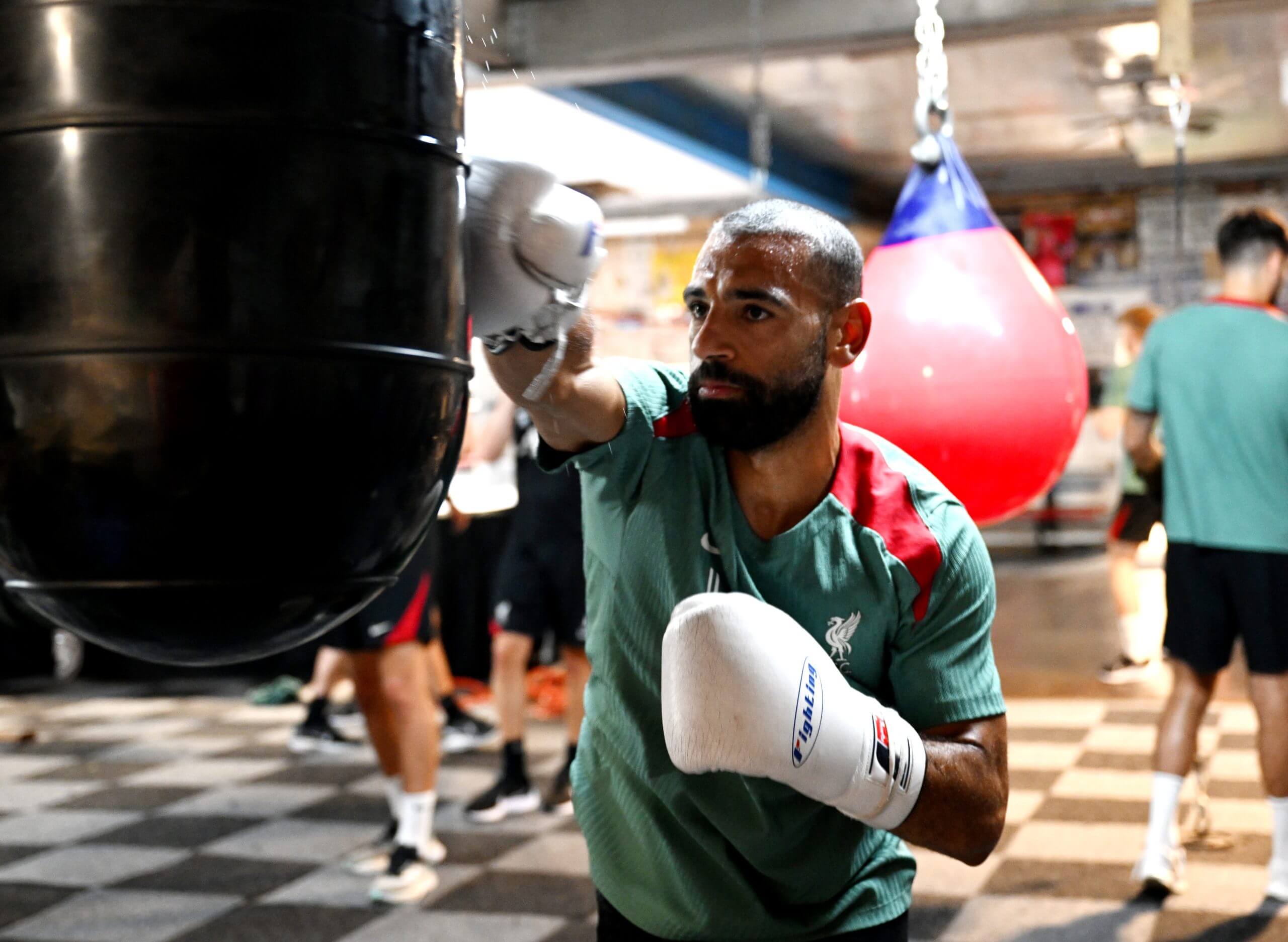
Mohamed Salah’s core work—deep rotational stability and balance—lets him absorb challenges, accelerate and turn at speed.
Faycal says boxing can deliver the same core resilience, improving ball protection and reducing imbalance during contact.
It also hones reaction time; Cherki learns to read opponents’ shoulders, gaze and rhythm in a split second, refining football anticipation.
Footwork sparks debate. Faycal argues boxer‑level lightness and balance translate to explosive starts and steadier one‑on‑one duels on the pitch.
Conversely, former GB Boxing champion Richie Woodhall, who coached at West Brom, doubts any footwork benefit, calling the movements “very different” from football’s demands.
Professor Alan Ruddock, co‑founder of Boxing Science, backs Woodhall, noting the forces in football acceleration aren’t replicated in boxing drills.
“A Premier League player needs high‑force bursts,” Ruddock says. “Boxing footwork is too polite, more like a dance, not the explosive push you need.”
When Woodhouse switched to boxing, he expected Lomachenko‑level footwork but found he moved like a retired footballer, admitting, “I never had good feet as a boxer.”
Exceptions exist, though.
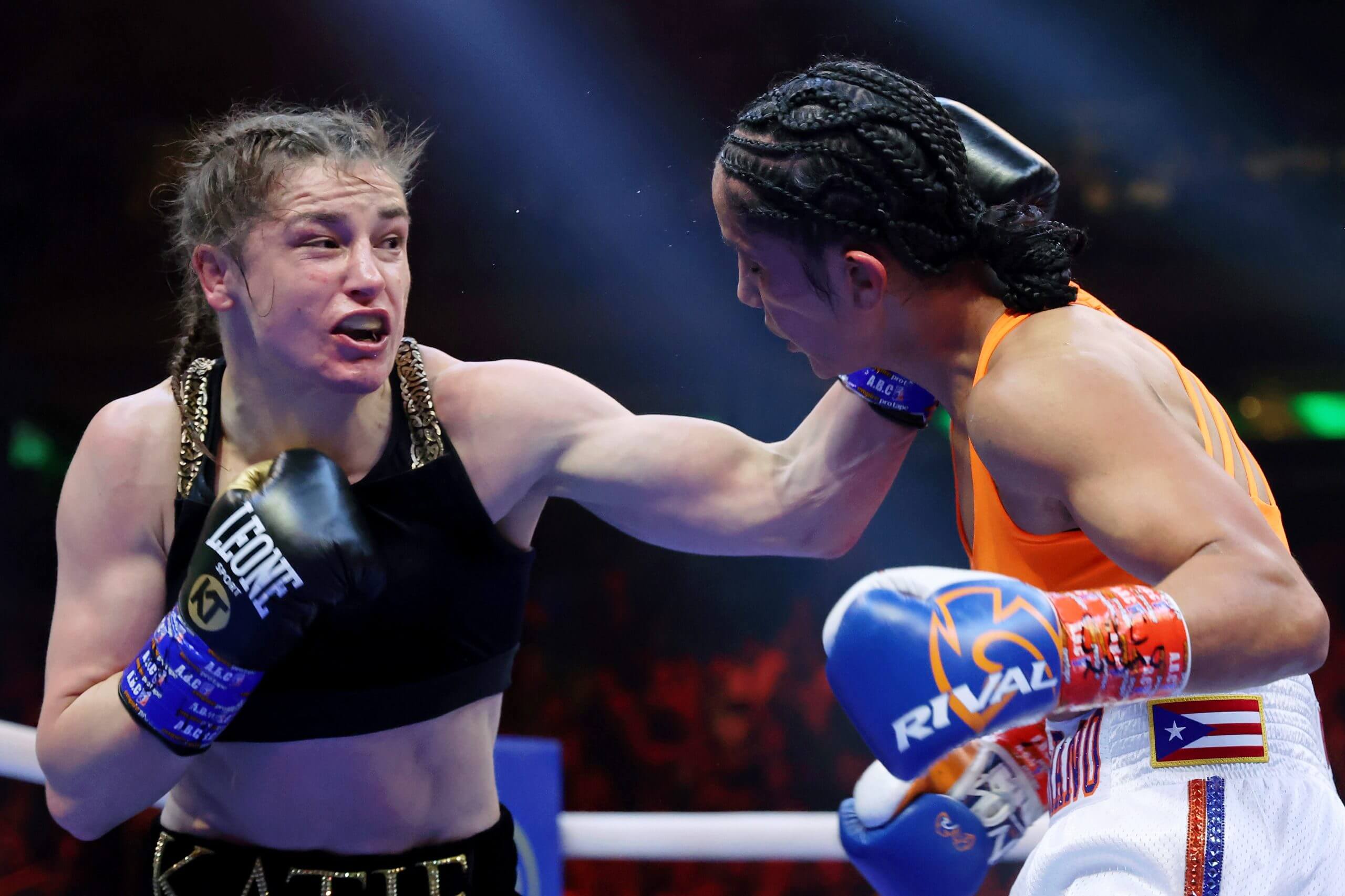
World champions Katie Taylor and Lauren Price began as footballers for Ireland and Wales, their superb balance often credited to time on the pitch – or perhaps innate talent.
Cardiovascular fitness adds another layer.
Ruddock notes that, despite rigorous testing, boxers’ explosiveness falls short of Premier League levels.
Boxers maintain speed over time but lack the repeated‑sprint capacity of elite footballers; still, pad work can push them to 90 % of VO₂ max or max heart rate, a 2014 study shows.
“Pads can give a solid cardio stimulus,” Ruddock explains, “if the coach varies intensity and avoids a monotonous, low‑impact routine.”
“You need high‑force, repeated actions, not Floyd Mayweather‑Junior‑style tappy‑tappy pads,” he adds.
Faycal’s final point is mental toughness – boxing forces composure, focus and confronting pressure, traits that help a playmaker stay decisive in tight moments.
Ruddock sees a psychological boost too: “Gloves and a gym prepare a Premier League player for battles twice a week.”
On the Men in Blazers podcast, Cherki said boxing lets him shape his physique and express himself, yet Faycal warns of scheduling pitfalls.
First, volume matters; “Too much can sap the freshness football demands,” he cautions.
Second, injury risk – hands, wrists and impact injuries – means strict supervision and often no sparring.
The aim isn’t to turn Cherki into a boxer, but to sharpen his existing elite traits, like adding a subtle turbocharger to an efficient engine.
Could Cherki someday swap his boots for gloves after his City days?
“I’d tell him to keep earning £150,000 a week at Man City!”