
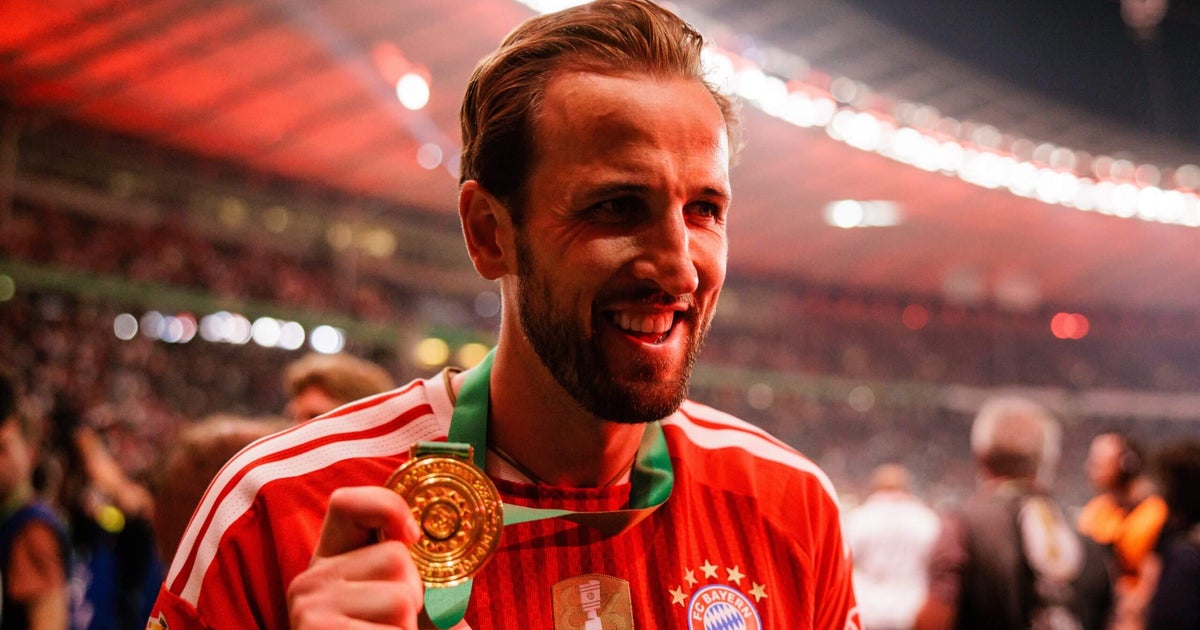
The countdown to the 2026 men’s Ballon d’Or has begun, with the award ceremony slated for October 26.
Last season PSG’s Ousmane Dembélé lifted the trophy, following Rodri’s 2024 win and Messi’s historic eighth in 2023.
Yesterday (Sept 8) the 30‑player shortlist was unveiled, covering performances from August to July, including the World Cup and other marquee matches.
OUR 2026 MEN’S BALLON D’OR NOMINEES! 🏴 Jude Bellingham🇪🇸 Pau Cubarsí🇪🇸 Marc Cucurella🇫🇷 Ousmane Dembélé🇨🇴 Luis Díaz🇵🇹 Bruno Fernandes🇧🇷 Gabriel🇳🇴 Erling Haaland🇲🇦 Achraf Hakimi🏴 Harry Kane🇬🇪 Khvicha Kvaratskhelia🇪🇸 Lamine Yamal🇸🇳 Sadio Mané🇧🇷 Marquinhos🇦🇷… — Ballon d’Or (@ballondor) September 8, 2026
The 100 journalists voting will rank players 1‑10 based on three core criteria.
- Individual and decisive performances,
- Collective achievements and trophies won
- And class and fair play on and off the pitch.
Subjectivity seeps into the vote, and the World Cup can dominate the final tally every four years.
Kane’s 2025‑26 season was a goal‑fest: 56 goals and eight assists across the Bundesliga, Champions League and World Cup, plus 11 more for Bayern and six for England, totaling 73 in 65 games.
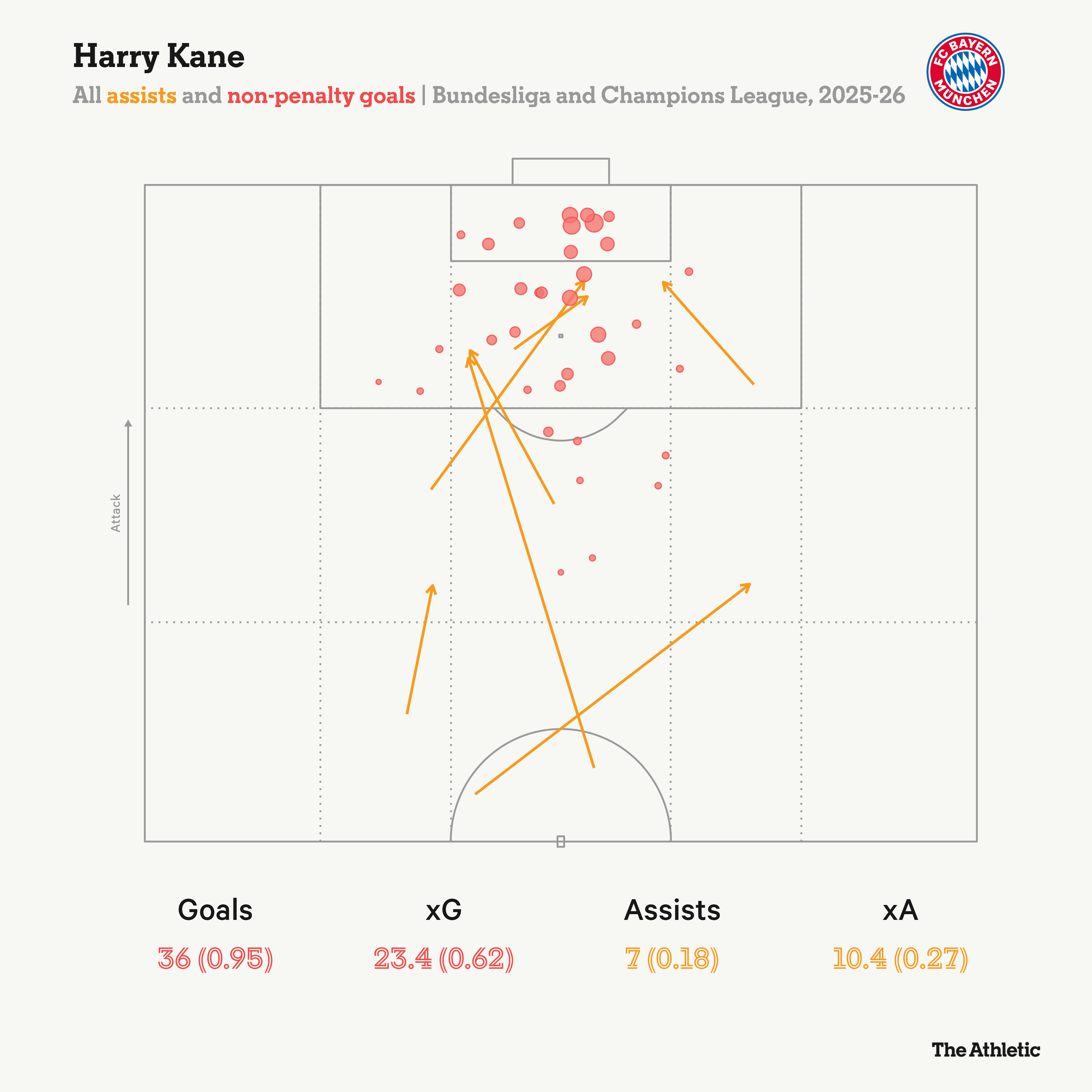
He shone in key moments, netting six in five Champions League knock‑outs, a DFB‑Pokal final hat‑trick, and two decisive goals against DR Congo before adding a goal and assist versus Mexico.
His semi‑final silence versus Argentina and Bayern’s Champions League loss to PSG could hurt his case, yet no one can argue his individual dominance this season.
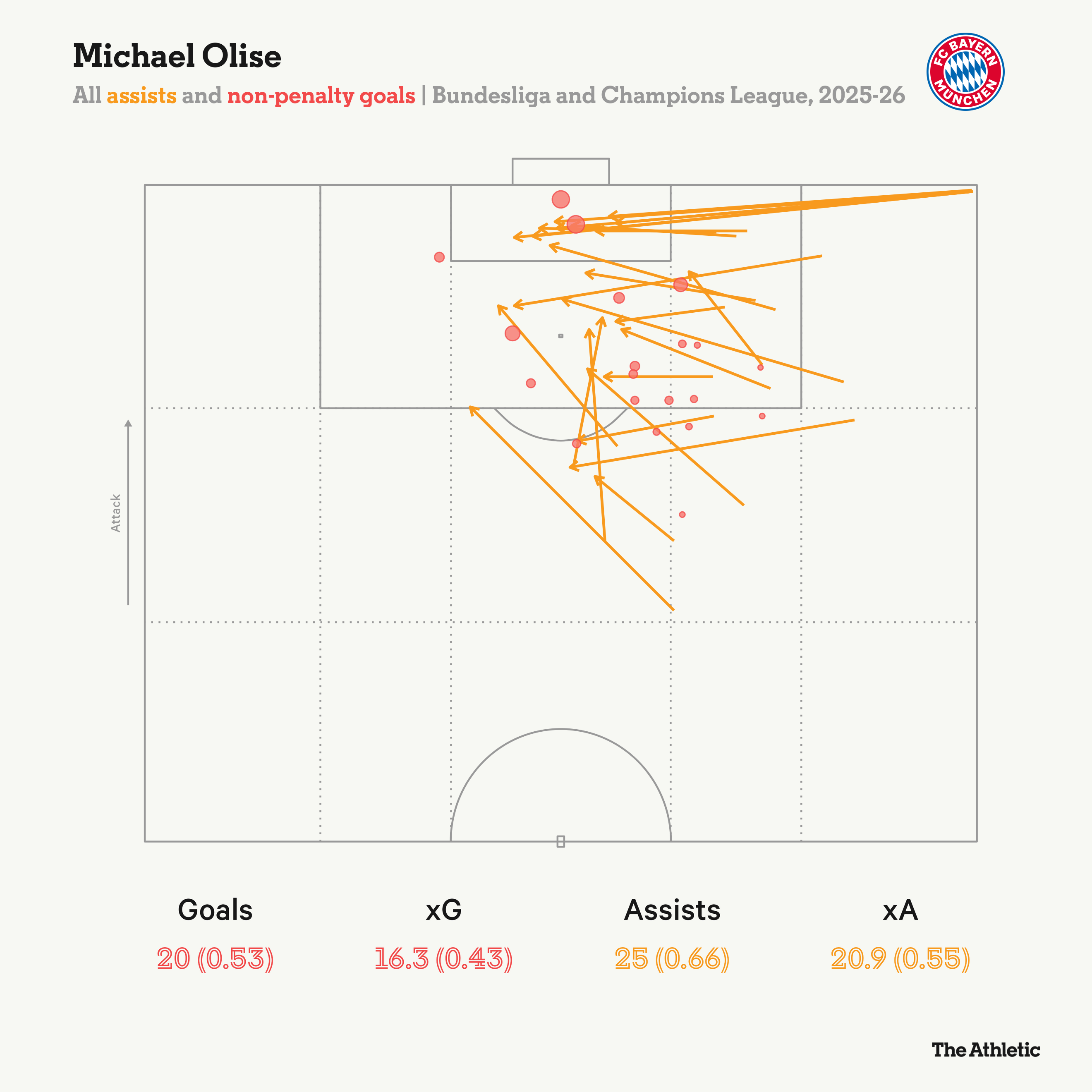
Michael Olise posted 20 league goals and a record‑setting 32 assists—including seven at the World Cup—in 53 matches, outpacing any other top‑five‑league player without penalties.
Olise combines freedom, intelligence and relentless work rate, often leading Bayern and France in chance creation while contributing defensively.
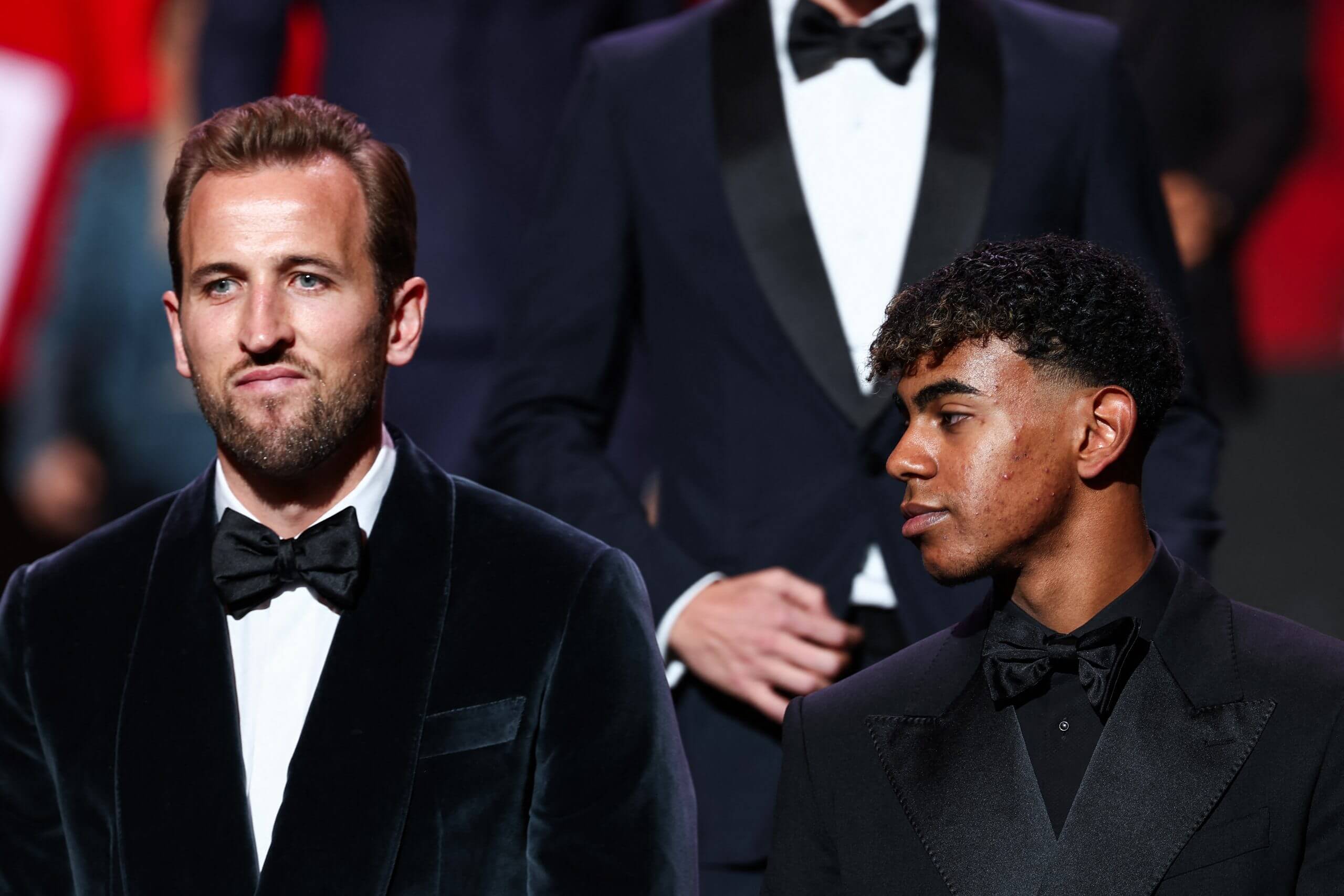
Like Kane, Olise’s lack of team silverware may be a hurdle, but his 2025‑26 campaign cemented his status among Europe’s elite attackers.
3. Rodri (Manchester City/Barcelona & Spain)
Rodri’s season unfolded in two distinct halves.
An early‑year comeback from an ACL rupture saw him miss 11 of City’s first 17 league games due to hamstring and knee issues.
From 2026 onward, Rodri re‑emerged, anchoring a more direct City side, excelling in league, Carabao Cup and FA Cup finals despite a lingering groin problem.
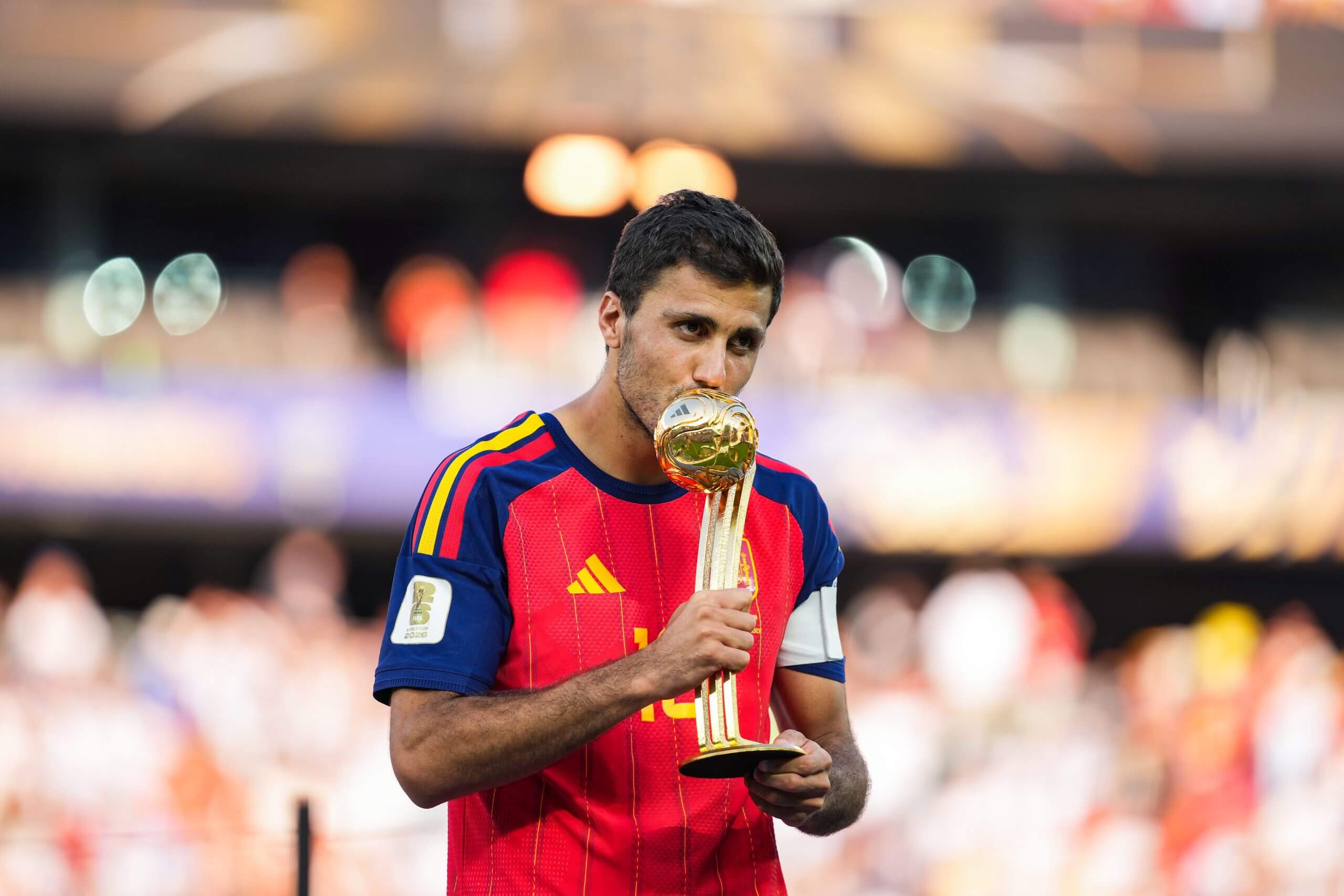
He then captained a disciplined Spain to World Cup glory, earning the Golden Ball as the tournament’s best player.
That triumph will likely boost the Barcelona midfielder’s reputation, even though he logged just 2,185 minutes for City.
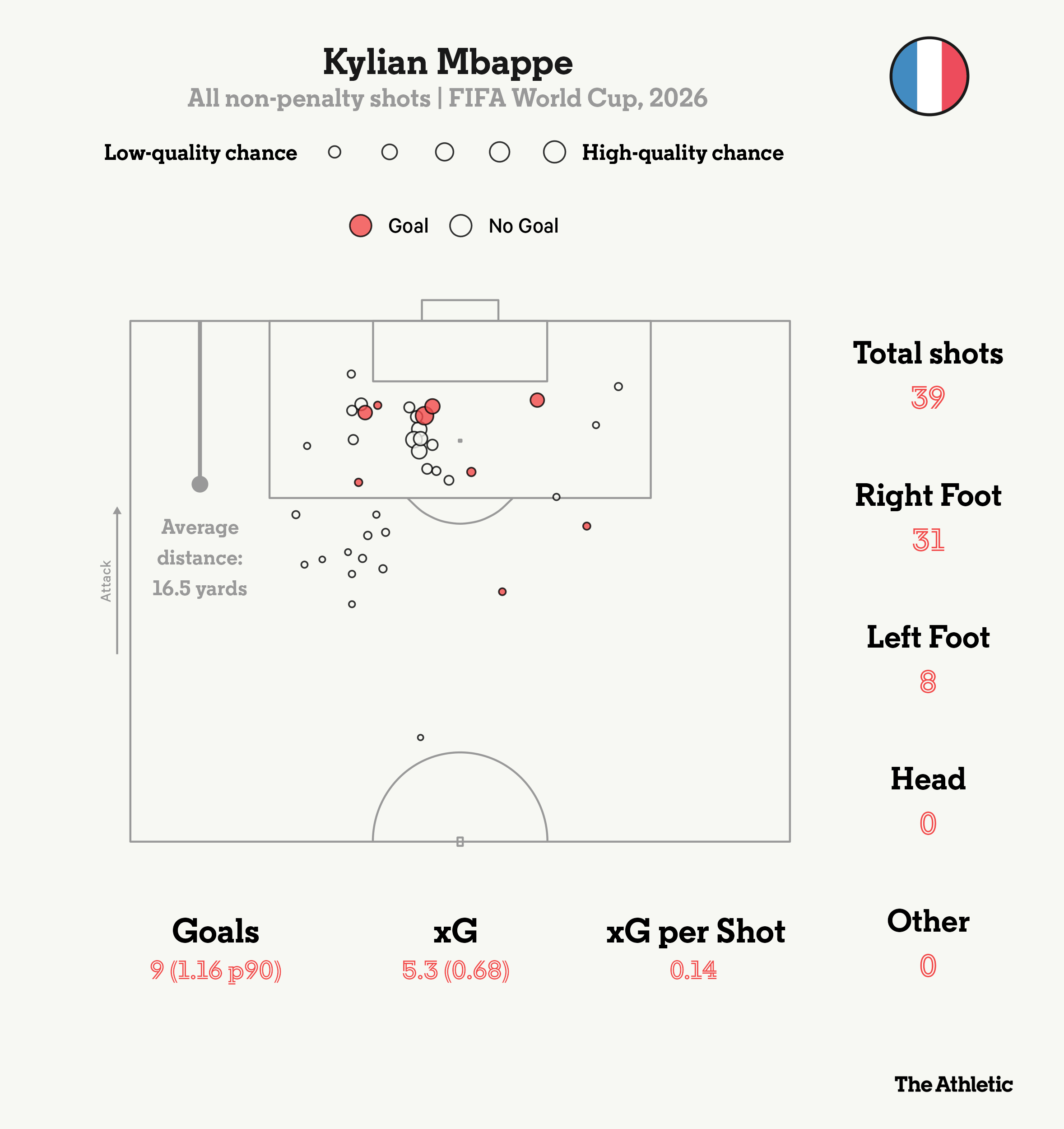
Mbappé dazzled at the World Cup, scoring ten goals to claim a second Golden Boot and becoming the all‑time finals scorer with 22 goals.
His club form remained strong, netting 40 times in 42 La Liga and Champions League outings, often the sole spark for a turbulent Real Madrid.
Yet a trophy‑less season and a fourth‑place World Cup finish may dim his Ballon d’Or prospects despite personal brilliance.
Haaland posted his second‑best City season, scoring 27 Premier League goals.
He added eight assists—matching his combined total from the previous two years—plus eight Champions League goals and three plus an assist in the FA Cup, totaling 47 contributions in 52 club games.
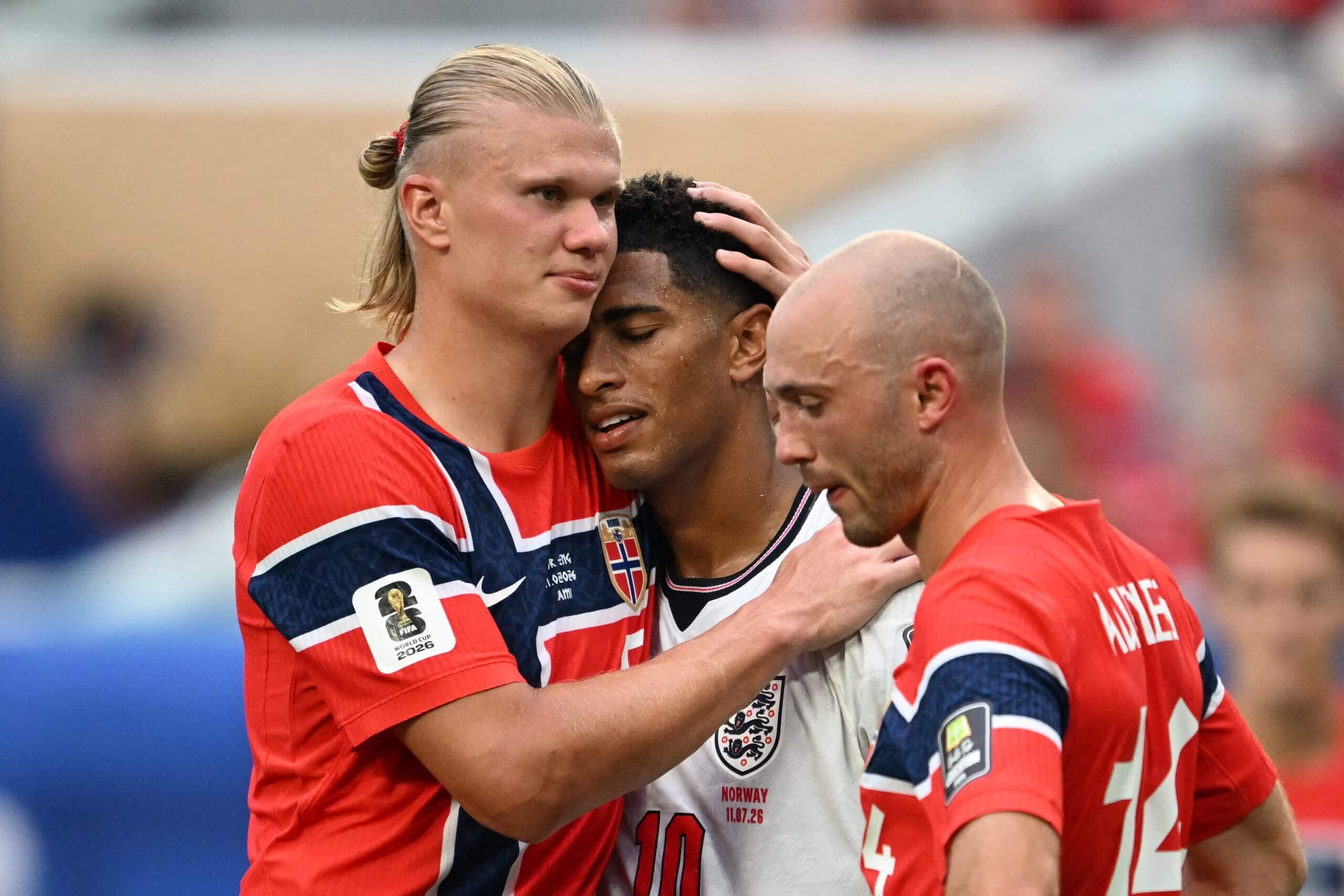
For Norway, Haaland struck 13 times in seven qualifiers and friendlies, highlighted by five in an 11‑1 win over Moldova.
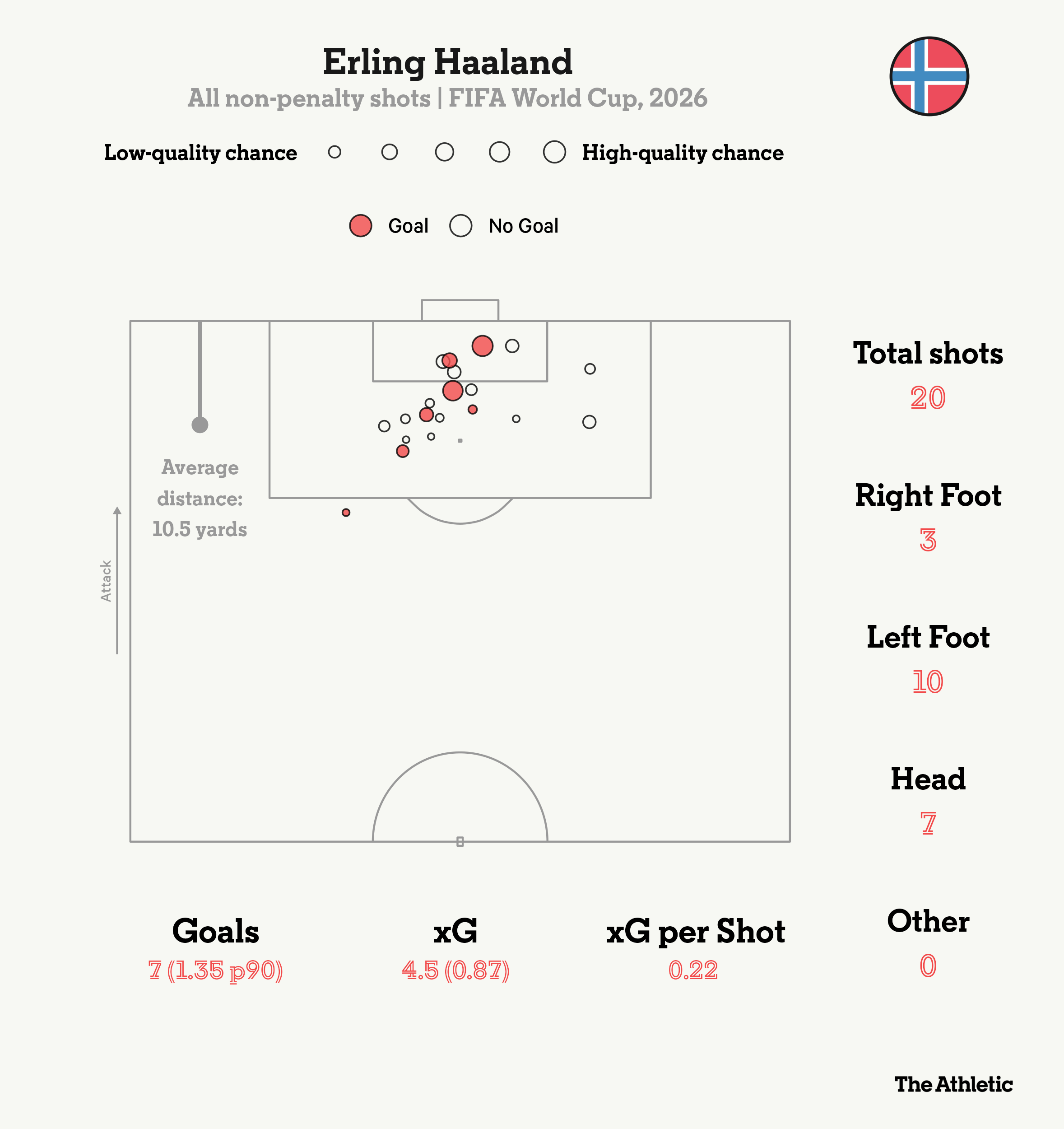
At the World Cup, he and Odegaard powered Norway to the quarters, with Haaland scoring seven from 13 shots in five matches, finishing the year with 69 contributions.
PSG’s back‑to‑back Ligue 1 and Champions League titles stemmed from collective strength rather than a single star.
Defenders and midfielders like Marquinhos, Willian Pacho, Nuno Mendes, Vitinha and João Neves shone, though their World Cup displays were mixed.
Georgia’s absence from the finals may boost Khvicha Kvaratskhelia’s Ballon d’Or chances.
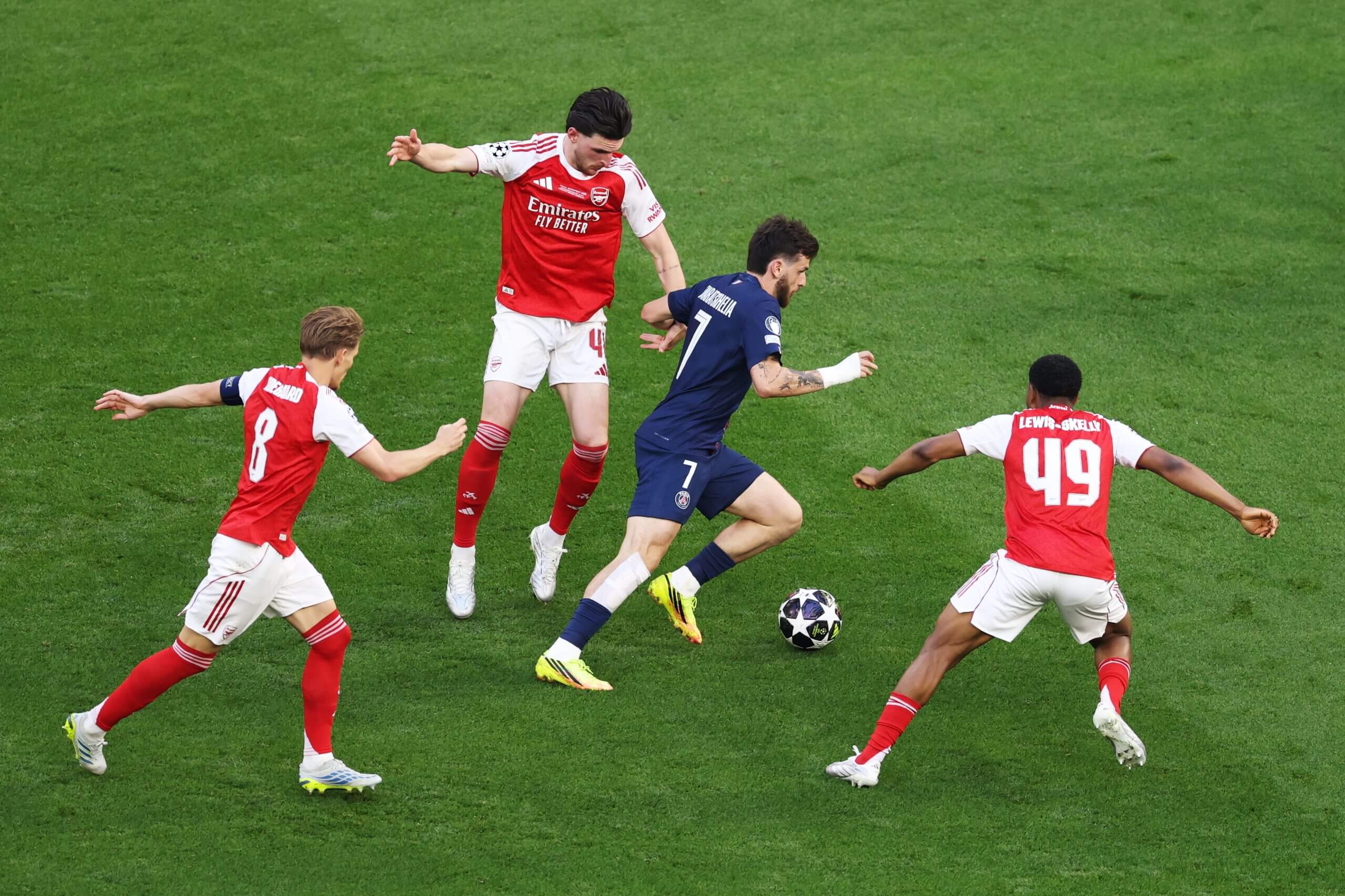
The 25‑year‑old logged 2,623 minutes in Ligue 1 and the Champions League, tallying 18 goals and 10 assists—modest numbers but delivered in crucial moments.
Kvaratskhelia added four goals and two assists in the Champions League knock‑outs, then scored twice and set up another in the semi‑final versus Bayern, also winning the decisive penalty in the final.
Even in a World Cup year, his Champions League impact remains significant.
Lamine Yamal surged in 2025‑26, building on his previous season’s output.
After 14 goals and 16 assists in 48 matches last term, he posted 22 goals and 15 assists in just 38 appearances, despite early‑season pubalgia and a late hamstring issue.
The hamstring problem limited his World Cup output to a single goal versus Saudi Arabia, though he assisted against France in the semi‑final.
Remarkably, Yamal will still be a teenager at season’s end, already opening with four goals in four games.
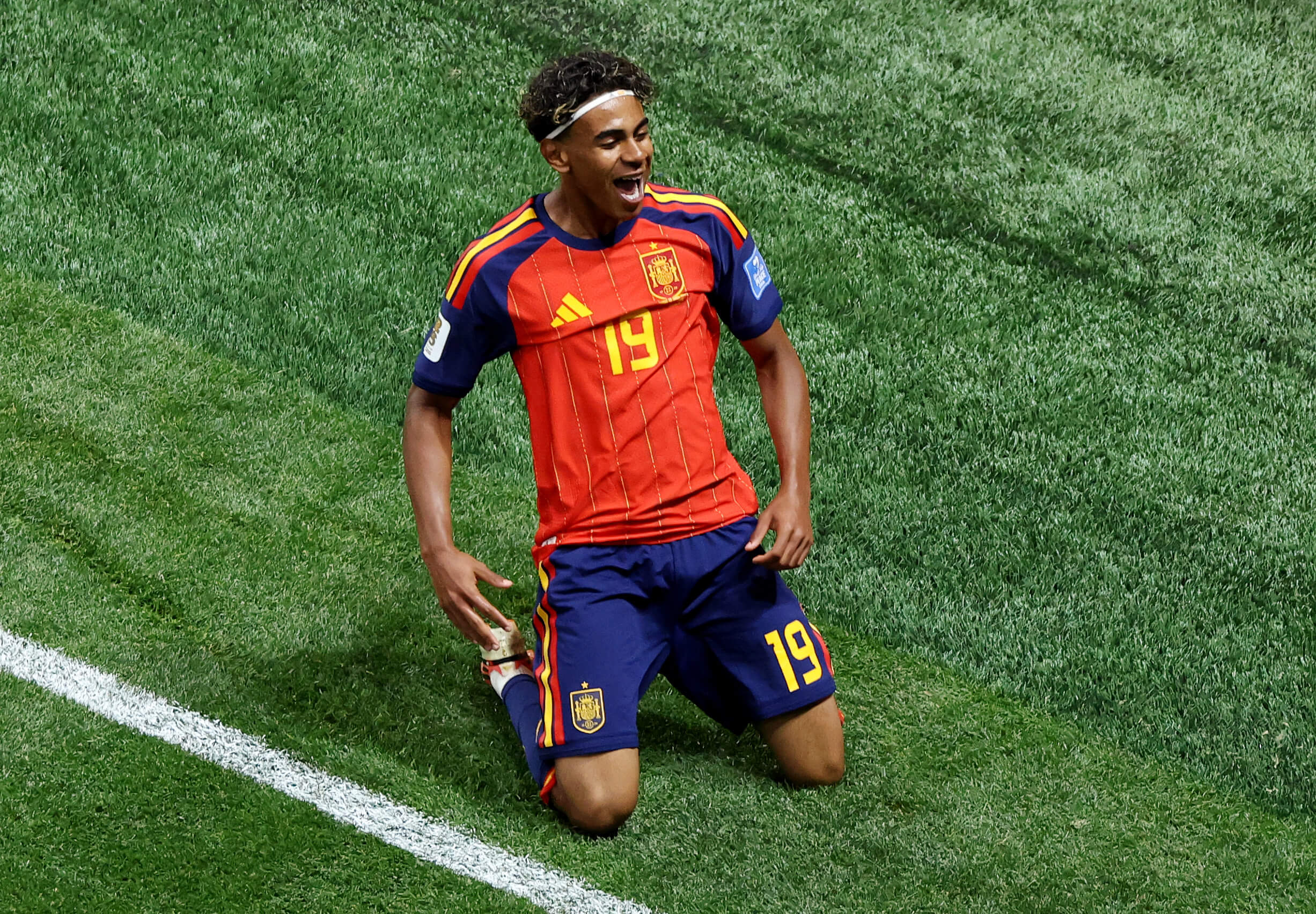
We must also note Bayern’s third attacking spear, as Vincent Kompany’s side amassed 184 goals in 55 matches.
Luis Díaz’s tireless off‑the‑ball work underpinned Kane and Olise’s seasons; he contributed 22 goals and 17 assists in 44 Bundesliga and Champions League games.
Colombia’s World Cup campaign faltered despite Díaz’s efforts, as the team missed chances after a 3‑1 win over Uzbekistan where he scored and assisted.
Jude Bellingham shone for England in the knockout stages, scoring twice against Mexico and twice more—including an extra‑time winner—against Norway, before adding a goal versus France.
Beyond the scores, his versatility and off‑the‑ball runs freed Kane to drop deep, while his defensive work helped a ten‑man England hold on.
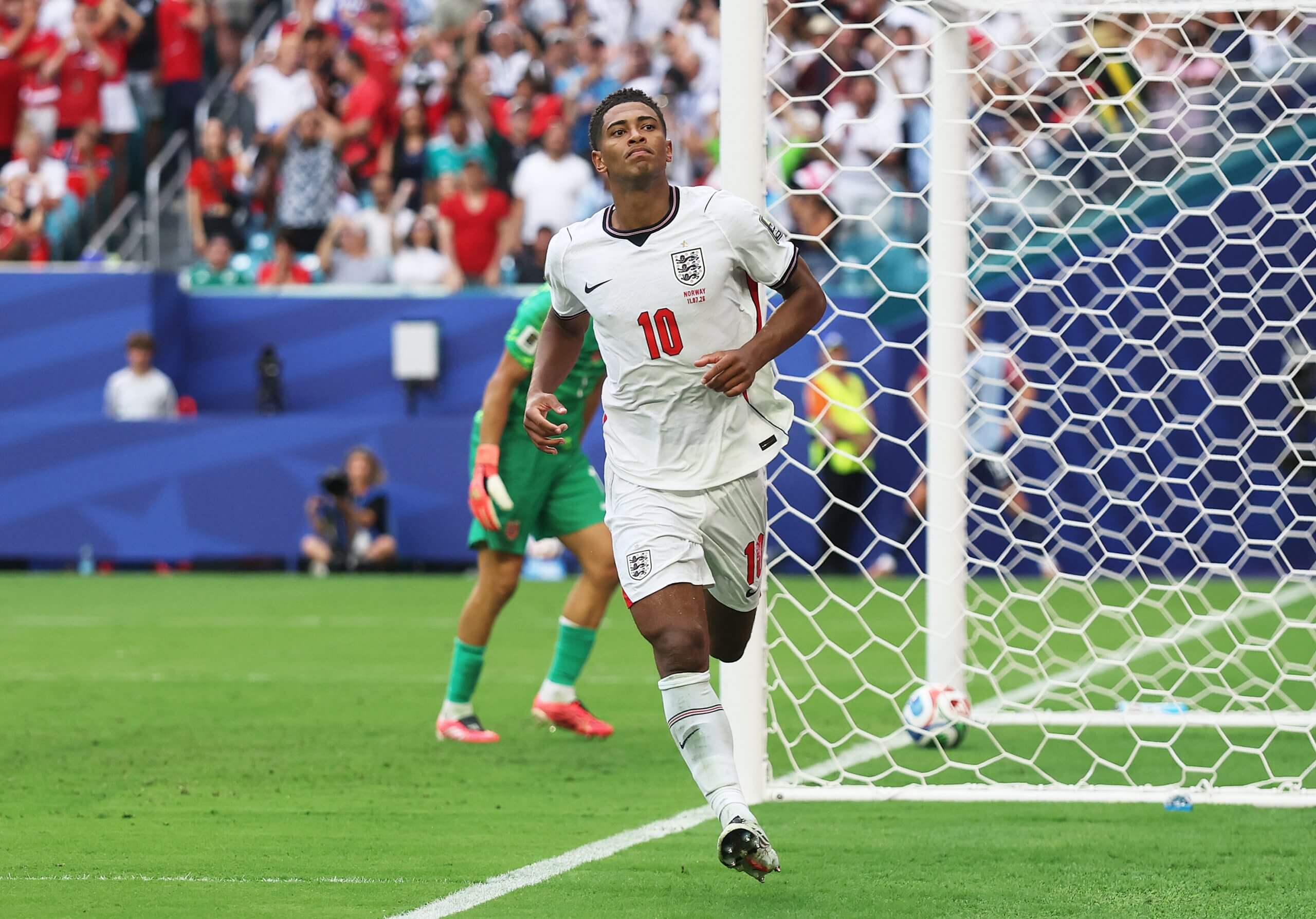
At club level, however, his second‑year at Real Madrid was disappointing.
Injuries limited him to eight goals and five assists in 37 La Liga and Champions League matches, a drop from previous seasons.
He’ll hope his World Cup heroics stay fresh in voters’ minds.
Is Messi still among the world’s top ten at 39? Probably not, yet his case remains arguable.
The World Cup served as Messi’s international swansong, with eight goals from 18 shots and four assists, including both in the semi‑final comeback versus England.
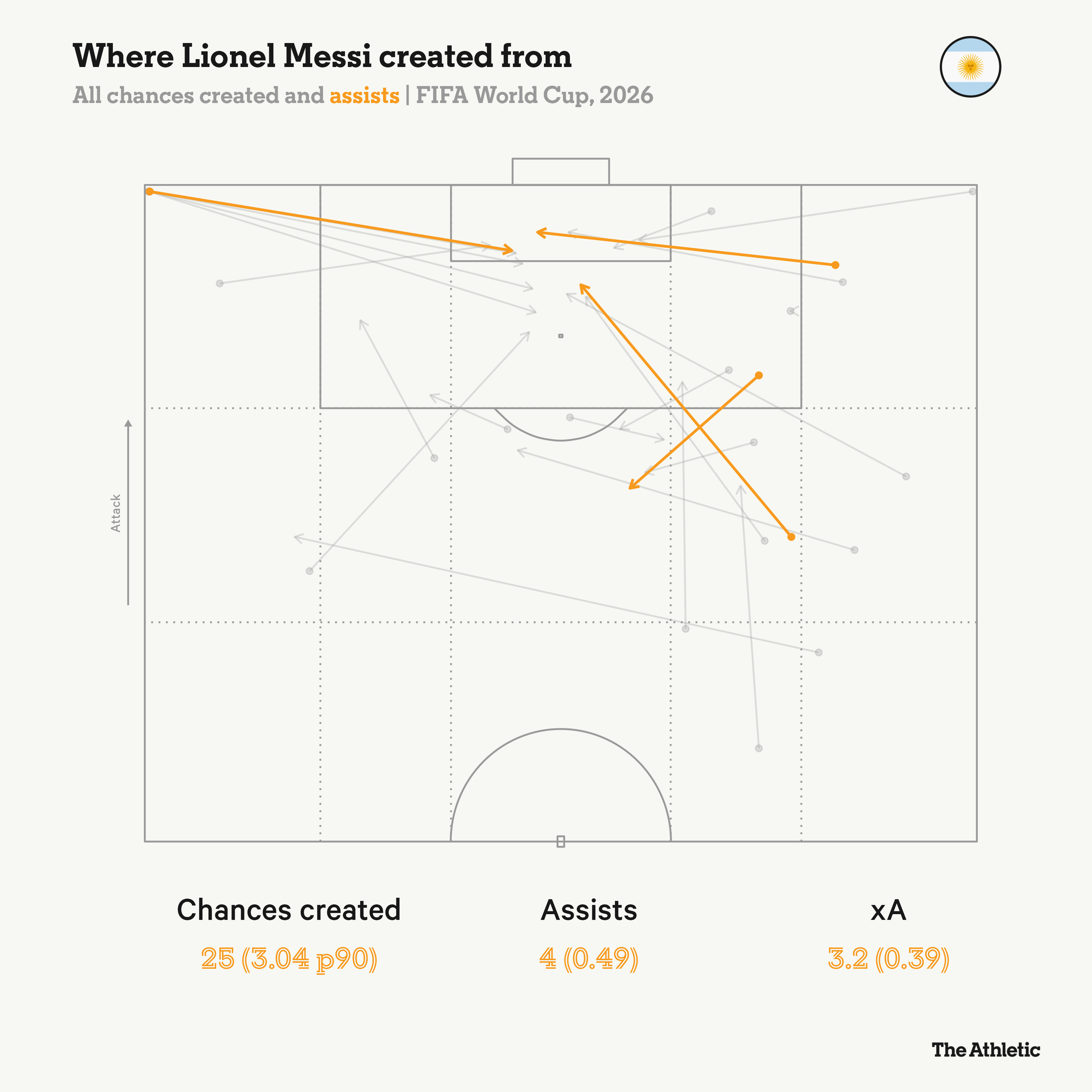
His club stats were staggering: in the final 16 MLS games, including playoffs, he recorded 17 goals and 19 assists for Inter Miami, averaging 5.5 shots and 3.6 chances per 90 minutes.
In the first 14 MLS matches of 2026, he added 12 goals and eight assists.
Overall, combining two Leagues Cup goals, five goals and three assists in six Argentina qualifiers and friendlies, Messi amassed 78 contributions (44 goals, 34 assists) in 46 matches.
Even accounting for weaker U.S. opposition, those figures and his World Cup display merit his inclusion on the list.
Messi’s eight Ballon d’Or titles already set a record; a ninth would crown an extraordinary season.